Christa Pike Survives Tennessee Execution Attempt and Is Rushed to Hospital as Investigation Begins

Christa Pike Survives Tennessee Execution Attempt and Is Rushed to Hospital as Investigation Begins
SEO Title: Christa Pike Survives Failed Tennessee Execution Attempt
Meta Description: Christa Pike survived Tennessee’s September 30 lethal-injection attempt and was hospitalized. An independent review is examining questions surrounding the failed execution.
NASHVILLE, TENNESSEE — Christa Pike was expected to leave Riverbend Maximum Security Institution in a hearse. Instead, she left in an ambulance.
The 50-year-old survived Tennessee’s September 30, 2026, attempt to execute her by lethal injection, turning what was intended to be the final chapter of a decades-long criminal case into an unprecedented medical and legal crisis.
Pike had been sentenced to death for the 1995 murder of 19-year-old Colleen Slemmer. But after officials reportedly administered two doses of pentobarbital, Pike remained alive, prompting an urgent demand from her attorneys for the procedure to be stopped and emergency medical care to be provided.
The incident has since raised serious questions about the execution process, the response to the medical emergency and the steps Tennessee will take to determine what went wrong.
A Scheduled Execution Becomes a Medical Emergency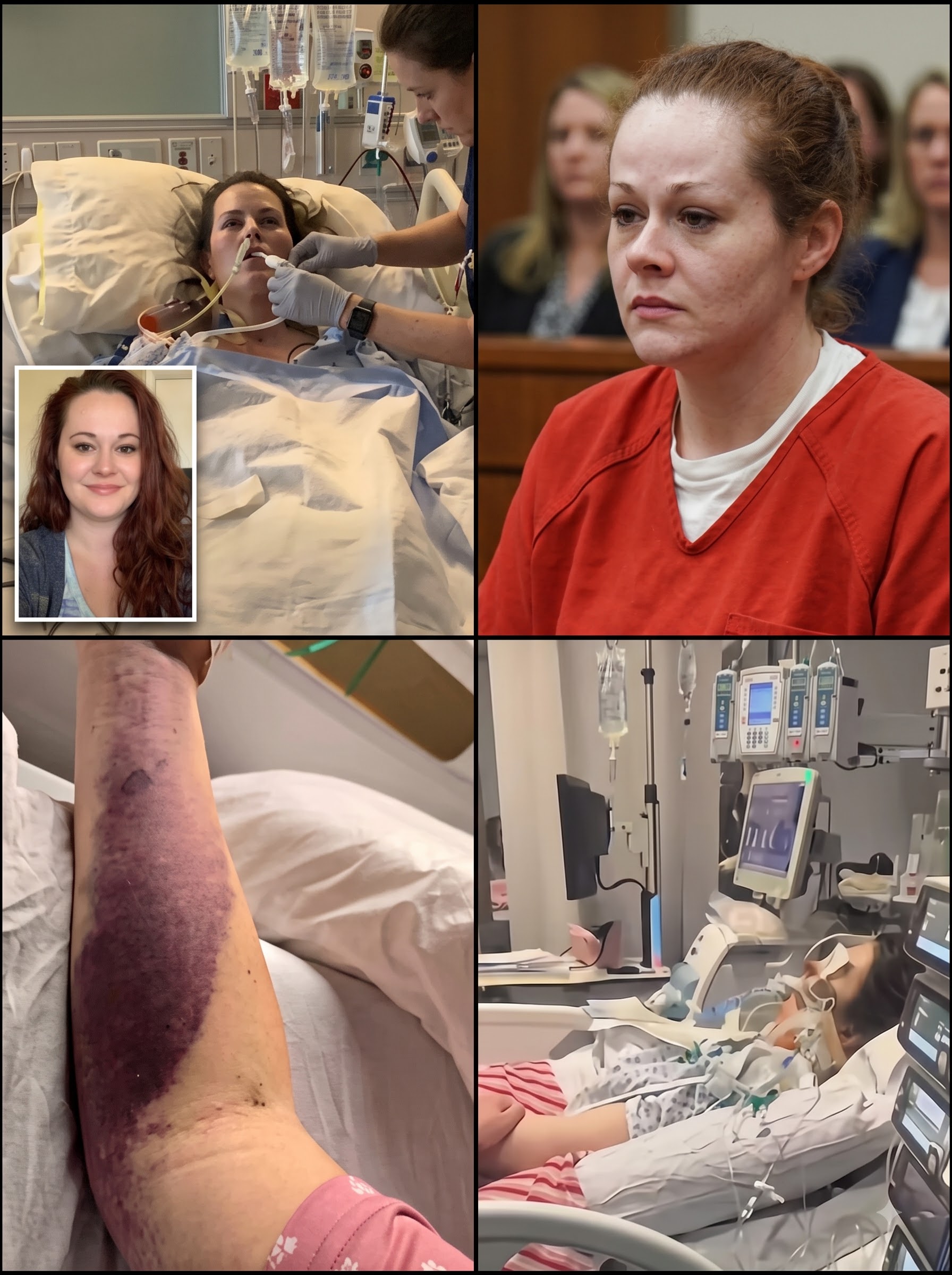
According to the account provided by witnesses, Pike continued breathing after the lethal-injection drugs were administered. Witnesses also reportedly heard repeated sounds resembling snoring, while her attorneys called for the execution to be halted.
Shortly after 9 p.m., emergency vehicles arrived at Riverbend. Pike was transported to a hospital, where her attorneys subsequently confirmed that she was alive and receiving lifesaving treatment.
Her condition was described as critical, and her long-term prognosis remained uncertain in the initial reports.
The sequence of events marked a dramatic departure from the expected outcome of a scheduled execution. Rather than being pronounced dead at the facility, Pike required emergency medical intervention.
However, the precise medical circumstances surrounding the failed procedure have not been fully established in the information available. The reported administration of two doses does not, by itself, explain why the execution did not result in death.
Tennessee Faces Questions About Its Execution Protocol
The Tennessee Department of Correction said established procedures had been followed. Nevertheless, the failure to complete the execution has placed the state’s lethal-injection process under renewed scrutiny.
Governor Bill Lee ordered an independent review of the incident. According to the account provided, the state also halted its remaining scheduled execution for 2026.
Several issues now require careful examination: how the medication was administered, whether the procedure was carried out as intended, what medical complications developed and how officials responded when Pike remained alive.
These questions are significant, but they must be addressed through documented evidence and the findings of the review rather than speculation.
An independent investigation could help establish the sequence of events, determine whether established procedures were followed in practice and identify any changes that may be necessary to prevent a similar incident.
Until those findings are made public, the underlying reason for the failed execution remains unresolved.
The Case That Led to Pike’s Death Sentence
Pike was convicted in connection with the 1995 murder of Colleen Slemmer, who was 19 at the time of her death.
The case has remained part of Tennessee’s criminal justice history for more than three decades. Pike’s scheduled execution was expected to bring the state’s lengthy legal process to its conclusion.
She would have become the first woman executed by Tennessee in more than 200 years.
Instead, her survival has created a new set of legal and procedural questions. The immediate medical emergency is one issue; the legal consequences of an unsuccessful execution attempt are another.
The incident does not automatically erase Pike’s conviction or death sentence. Any further legal developments will depend on the applicable law, the proceedings initiated by her attorneys and decisions made by the courts.
At the same time, Slemmer’s family remains connected to a case that has now entered another unexpected chapter.
What Happens Next?
The independent review is expected to be central to understanding the September 30 incident. Its findings may clarify the administration of the lethal-injection drugs, the medical response and whether any procedural failures occurred.
For now, the available account leaves important questions unanswered. Officials have maintained that the established protocol was followed, but the outcome demonstrates why a detailed examination of the events is necessary.
The review’s conclusions will be important not only for Pike’s case but also for Tennessee’s execution procedures and the safeguards surrounding them.
A Case Far From Its Expected Conclusion
What was supposed to be the final chapter in a case spanning more than three decades instead opened a new and complicated one.
Christa Pike survived the execution attempt and required hospital treatment. Tennessee launched a review, and the circumstances inside the execution chamber became the subject of renewed scrutiny.
The central questions remain: Why did the procedure fail to result in death? Were the established protocols followed at every stage? And what will the independent review ultimately reveal?
Until investigators establish what happened, the failed execution remains an unresolved event with potentially significant medical, legal and procedural consequences.