Christa Pike Regains Consciousness After Failed Execution — What She Remembers Raises New Questions
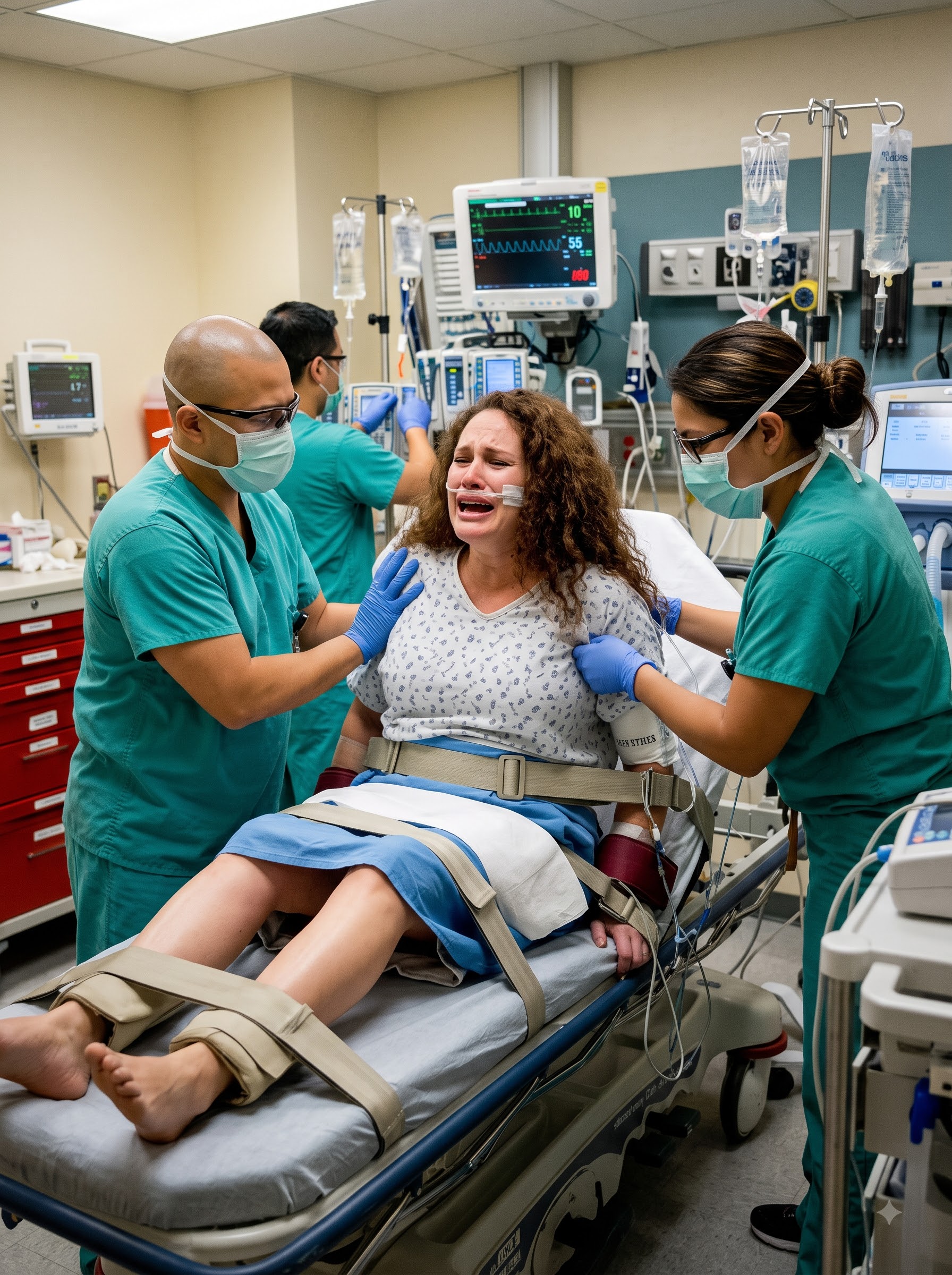
Christa Pike Regains Consciousness After Failed Execution — What She Remembers Raises New Questions
SEO Title: Christa Pike Wakes After Failed Execution in Tennessee
Meta Description: Christa Pike survived Tennessee’s failed lethal-injection attempt and later regained consciousness. Her reported memory gaps, serious arm injuries and ongoing recovery have intensified scrutiny of the execution.
“Where Am I?” — Christa Pike’s Recovery Takes an Unexpected Turn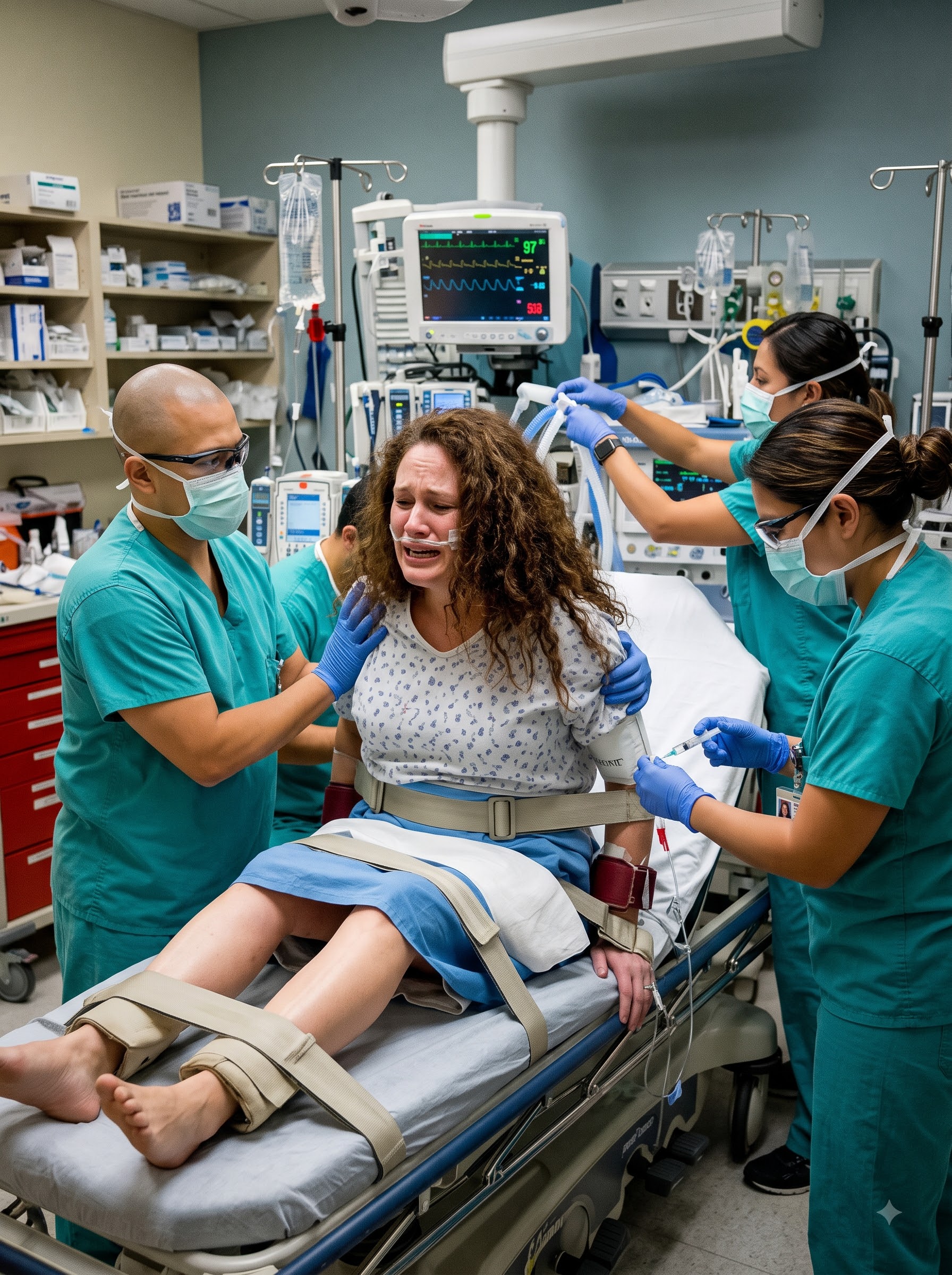
Christa Pike was expected to face a long and uncertain recovery after Tennessee’s attempt to execute her ended with her still alive. Then, nearly a week later, she regained consciousness and began speaking.
The 50-year-old death-row prisoner survived two doses of pentobarbital during the failed lethal-injection attempt at Riverbend Maximum Security Institution in Nashville on September 30, 2026. She was taken to a hospital in critical condition, initially unconscious and receiving assistance from a ventilator.
According to her attorneys, Pike’s condition became so grave that they understood she might be brain-dead and that life support could be withdrawn. On October 6, however, she unexpectedly woke up and began talking.
One of her attorneys reported that her first questions included, “Where am I?” and “Who are you?”
Her return to consciousness offered a significant development in a case that had already raised serious questions about Tennessee’s execution procedures. But waking up did not mean that she had recovered from the physical consequences of the attempt. <Cite refs={[“turn156936news5″,”turn156936news10”]}/>
What Does Christa Pike Remember About the Failed Execution?
Reports about Pike’s memory have added another layer of uncertainty to her recovery.
Her attorneys said she was confused after waking and was trying to understand what had happened to her. They also described her as angry and struggling to piece together the events surrounding the procedure.
Although she reportedly remembers some aspects of what occurred before losing awareness, the extent of her memory gaps has not been fully established in publicly available medical information.
It is therefore important to distinguish between what Pike has reportedly said, what her attorneys have described and what medical professionals can independently confirm.
The available reporting does not establish that she has completely lost her memory of the execution attempt.
Her recovery raises questions that may take time to answer: How much does she remember? Will her recollection change as she recovers? And what lasting effects, if any, will the experience have on her cognitive and psychological health?
For now, her attorneys have emphasized that her condition remains serious and that her recovery is ongoing. <Cite refs={[“turn156936news6″,”turn156936search0”]}/>
Serious Arm Injuries and Other Medical Complications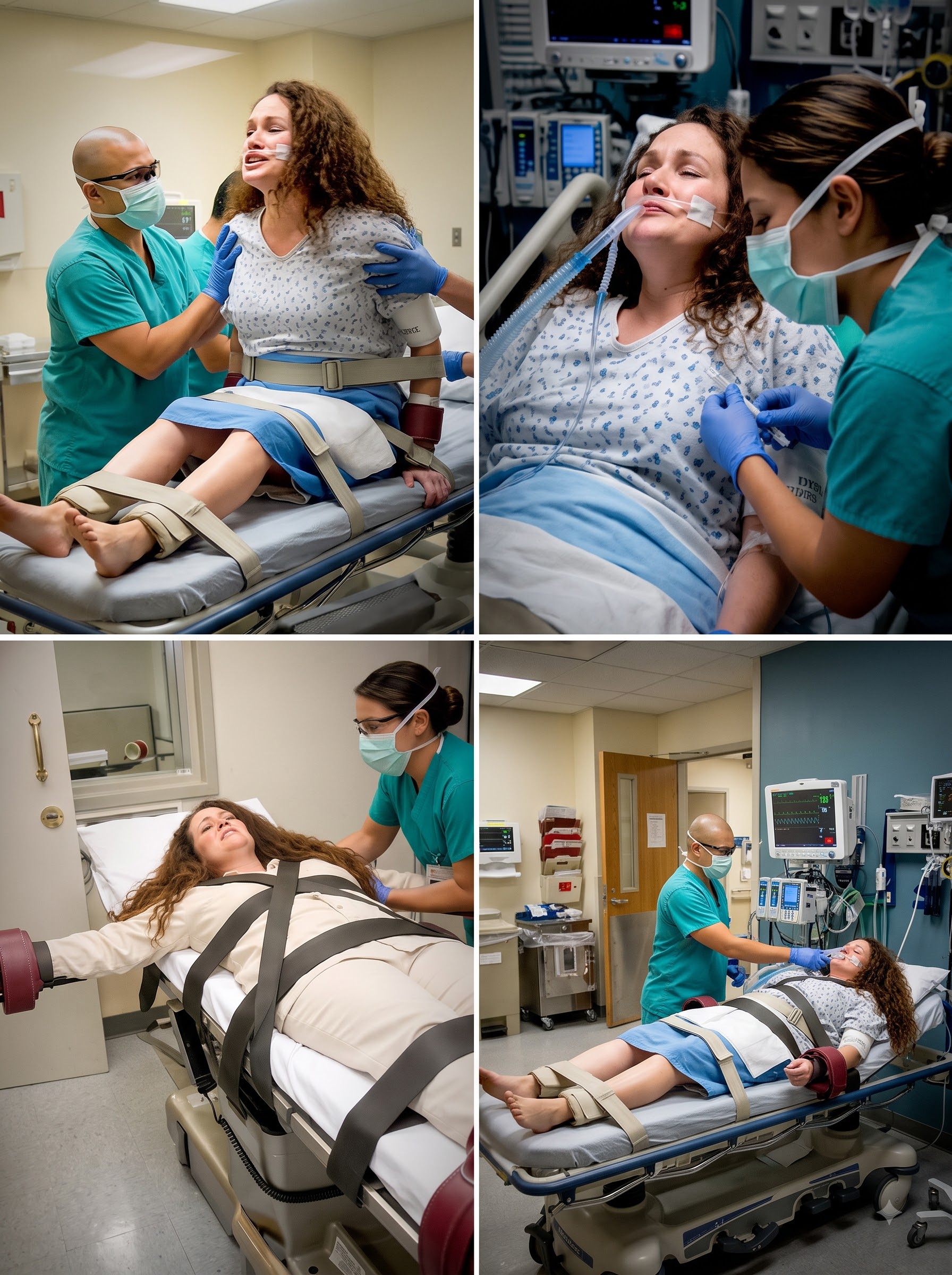
Pike’s return to consciousness has not erased the physical injuries reported by her legal team.
According to her attorneys, she suffered significant injuries to both arms during the attempt to administer the lethal-injection drugs. They have described extensive swelling, blistering and other complications associated with problems establishing intravenous access.
Her legal team also reported that she developed pneumonia, a blood clot in one arm and difficulty swallowing. At one point, they said she was unable to move either arm and had not been able to eat because of her swallowing difficulties.
These are serious medical concerns, although the precise extent of the damage and the long-term prognosis remain uncertain.
The attorneys have questioned whether the execution team recognized that the intravenous lines were not functioning properly and whether the drugs entered her bloodstream as intended.
Those allegations are central to the emerging legal scrutiny, but the full sequence of events will need to be established through medical records, witness accounts and the evidence preserved from the procedure. <Cite refs={[“turn156936search0″,”turn156936search1″,”turn156936news17”]}/>
A Judge Orders Tennessee to Preserve Evidence
The legal consequences of the failed execution quickly moved beyond Pike’s immediate medical condition.
On October 7, a Tennessee judge ordered state officials to preserve evidence connected to the September 30 procedure. The order covered physical materials and records that could help investigators reconstruct what happened.
The evidence includes syringes, drug packaging, intravenous equipment, photographs, video and audio recordings, witness accounts, emails and documentation of any complications or delays.
Pike’s attorneys sought the order because they are examining whether the state followed its execution protocol and whether mistakes in establishing intravenous access contributed to the outcome.
Preserving that evidence is a significant procedural step. It does not, by itself, establish that officials acted unlawfully or determine who may ultimately be responsible.
However, the material could prove crucial in determining how the attempt unfolded, why Pike survived the injections and whether the execution team recognized the medical emergency in time. <Cite refs={[“turn156936search2″,”turn156936news5”]}/>
Why Tennessee’s Execution Procedures Are Under Scrutiny
Pike’s case has raised renewed questions about the practical and medical challenges of lethal injection.
The state administered two doses of pentobarbital, but Pike remained alive and required emergency medical treatment. Her attorneys had previously raised concerns about intravenous access, according to court filings and news reports.
Tennessee officials have said the execution was conducted under the state’s established protocol. The disagreement between the state’s account and the concerns raised by Pike’s legal team makes an independent examination of the available evidence particularly important.
The case has also drawn attention to another failed execution attempt involving Tennessee prisoner Tony Carruthers earlier in 2026.
Following the incidents, Governor Bill Lee suspended further executions in Tennessee for the remainder of the year while reviews were undertaken. The state’s prison leadership also faced significant scrutiny after Pike’s attempt failed. <Cite refs={[“turn156936news15″,”turn156936news18″,”turn156936search12”]}/>
From Hospital to Prison: What Happens Next?
Pike was released from the hospital and returned to the Debra K. Johnson Rehabilitation Center on October 10, according to her attorneys and reporting by Reuters.
Her legal team said she would continue receiving medical care in prison and that they would monitor her recovery.
Her return does not mean that the medical questions have been resolved. The reported injuries, cognitive confusion and uncertainty about long-term effects remain important parts of the case.
Her attorneys have also continued seeking a commutation of her death sentence, arguing that the failed execution and its consequences warrant serious consideration.
Any further legal decisions will depend on the re