“SHE WAS SENT HOME WITH ACID REFLUX… THREE DAYS LATER, SHE WAS GONE” — MUM-OF-ONE PAULA IVERS, 47, D!ES AFTER A LIFE-THREATENING CONDITION GOES UNDETECTED
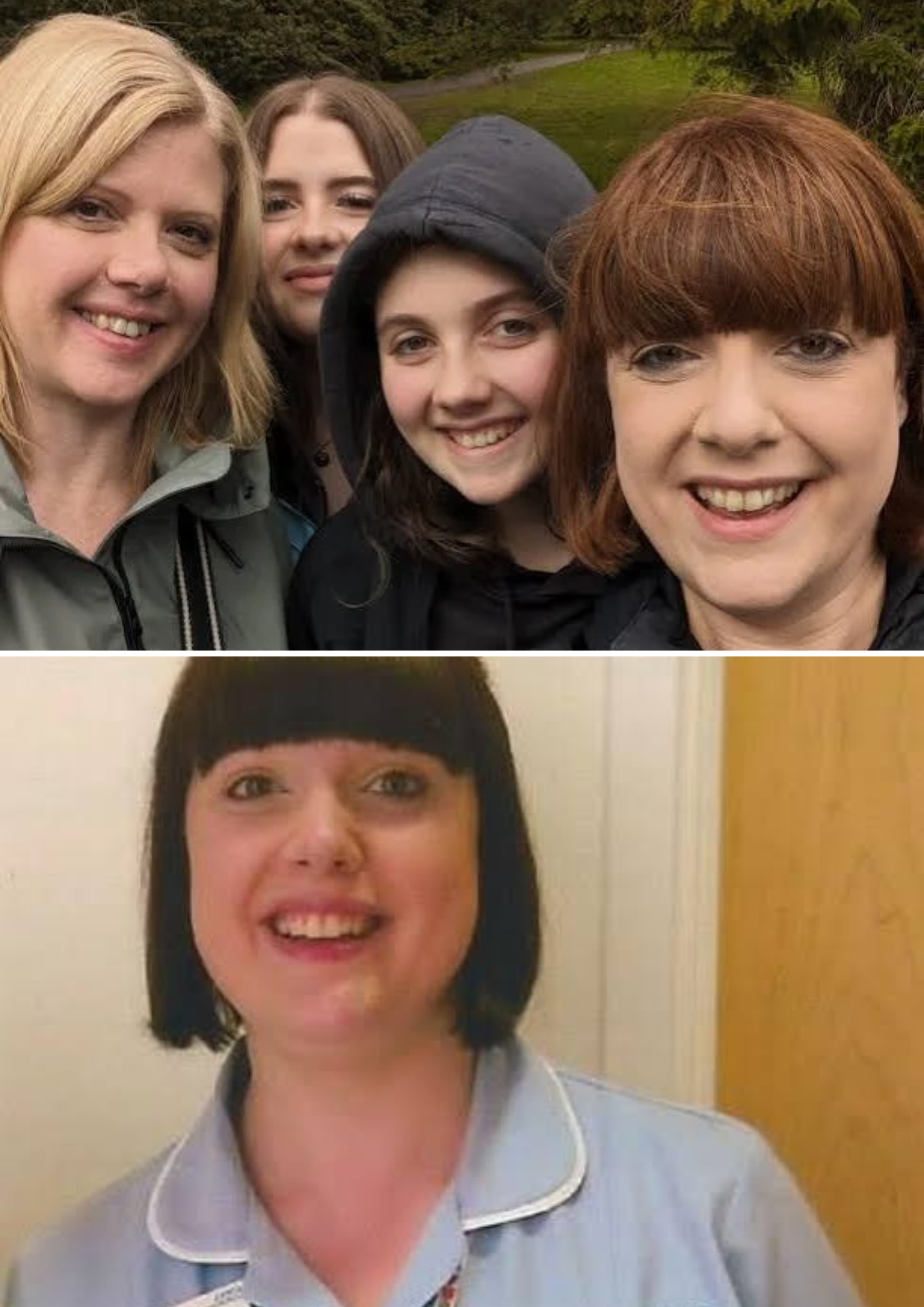
“SHE WAS SENT HOME WITH ACID REFLUX… THREE DAYS LATER, SHE WAS GONE” — MUM-OF-ONE PAULA IVERS, 47, DIES AFTER A LIFE-THREATENING CONDITION GOES UNDETECTED
The devoted children’s nurse spent almost 25 years caring for others. Now, a coroner’s warning following her death has raised urgent questions about how hospitals assess chest pain and record family medical history.
Paula Ivers was a mother, a dedicated NHS children’s nurse and a woman whose life was devoted to helping others.
But in March 2024, when the 47-year-old went to Tameside General Hospital with severe chest pain spreading into her back and shoulders, the condition threatening her life was not diagnosed.
She was discharged with a diagnosis of acid reflux.
Just three days later, Paula was dead.
The mum-of-one died at her home in Denton, Greater Manchester, on March 8, 2024. A post-mortem examination later found that she had suffered an aortic dissection — a dangerous tear in the wall of the aorta, the body’s main artery.
An inquest concluded in June 2026 that complications from the undiagnosed condition had caused her death, which was contributed to by neglect.
CRITICAL CONDITION THAT WENT UNDETECTED
Paula attended hospital on March 5, 2024, after experiencing worsening chest pain. During her hospital visit, she underwent blood tests, an ECG and a chest X-ray.
However, she was not given a CT angiogram, a scan that can help identify an aortic dissection. She was subsequently diagnosed with gastro-oesophageal reflux disease and sent home.
The inquest heard concerns about the assessment of her symptoms and the failure to adequately consider important details of her medical history.
Her father had died from a cardiac event in his early 40s — a family history that became a significant issue during the investigation into her death.
The coroner concluded that further investigation would likely have identified the underlying condition, potentially allowing Paula to be transferred to a specialist centre for emergency surgery that she probably would have survived.
For her family, the findings brought devastating questions about what might have happened if the condition had been recognised in time.
“HER DEATH HAS LEFT A HUGE VOID”
Paula’s loved ones have spoken about the immense pain of losing her and their belief that her death could have been prevented.
Her family described her death as “needless” and said it had “left a huge void” in their lives.
The tragedy was particularly devastating for Paula’s young daughter, who was just nine years old when her mother died. She later found Paula collapsed at home.
For a family already struggling with grief, the inquest’s findings added another painful dimension: the possibility that a different medical assessment could have changed the outcome.
Paula had spent nearly 25 years working for the NHS, caring for children and supporting families during some of their most difficult moments.
Her relatives said it was especially painful that, when she herself needed help, they felt she had been badly let down by the healthcare service to which she had dedicated so much of her life.
CORONER ISSUES WARNING TO HELP PREVENT FUTURE DEATHS
Following the inquest, coroner Chris Morris issued a Prevention of Future Deaths report raising concerns about the assessment of patients presenting with chest pain.
The report highlighted the need for clinicians to consider potentially life-threatening causes of chest pain, document significant family medical history and ensure appropriate assessments are carried out.
It also raised concerns about practices such as routinely measuring blood pressure in both arms when clinically appropriate.
The warning was sent to NHS England and Tameside and Glossop Integrated Care NHS Trust, with the coroner stating that action was needed because there was a significant risk of future deaths if the concerns were not addressed.
The hospital trust has acknowledged shortcomings in Paula’s care and outlined steps taken following the incident. The case has also prompted renewed calls for lessons to be shared more widely across healthcare services.
A LEGACY THAT MAY HELP SAVE LIVES
Paula’s story is more than a heartbreaking account of a family’s loss. It is also a reminder of the importance of taking severe chest pain seriously and carefully considering a patient’s symptoms, risk factors and family history.
An aortic dissection is a medical emergency, and early recognition can be critical to survival.
For Paula’s family, no report or recommendation can bring her back. But they hope that speaking out will help prevent another family from experiencing the same devastating loss.
She devoted much of her life to caring for others. Now, those who loved her hope that the lessons from her death will protect others in the future.
Rest in peace, Paula. Your life mattered, and your story deserves to be heard.