THE ENGLISH MONKEY: UNVEILING THE BALD UAKARI OF THE AMAZON
THE ENGLISH MONKEY: UNVEILING THE BALD UAKARI OF THE AMAZON
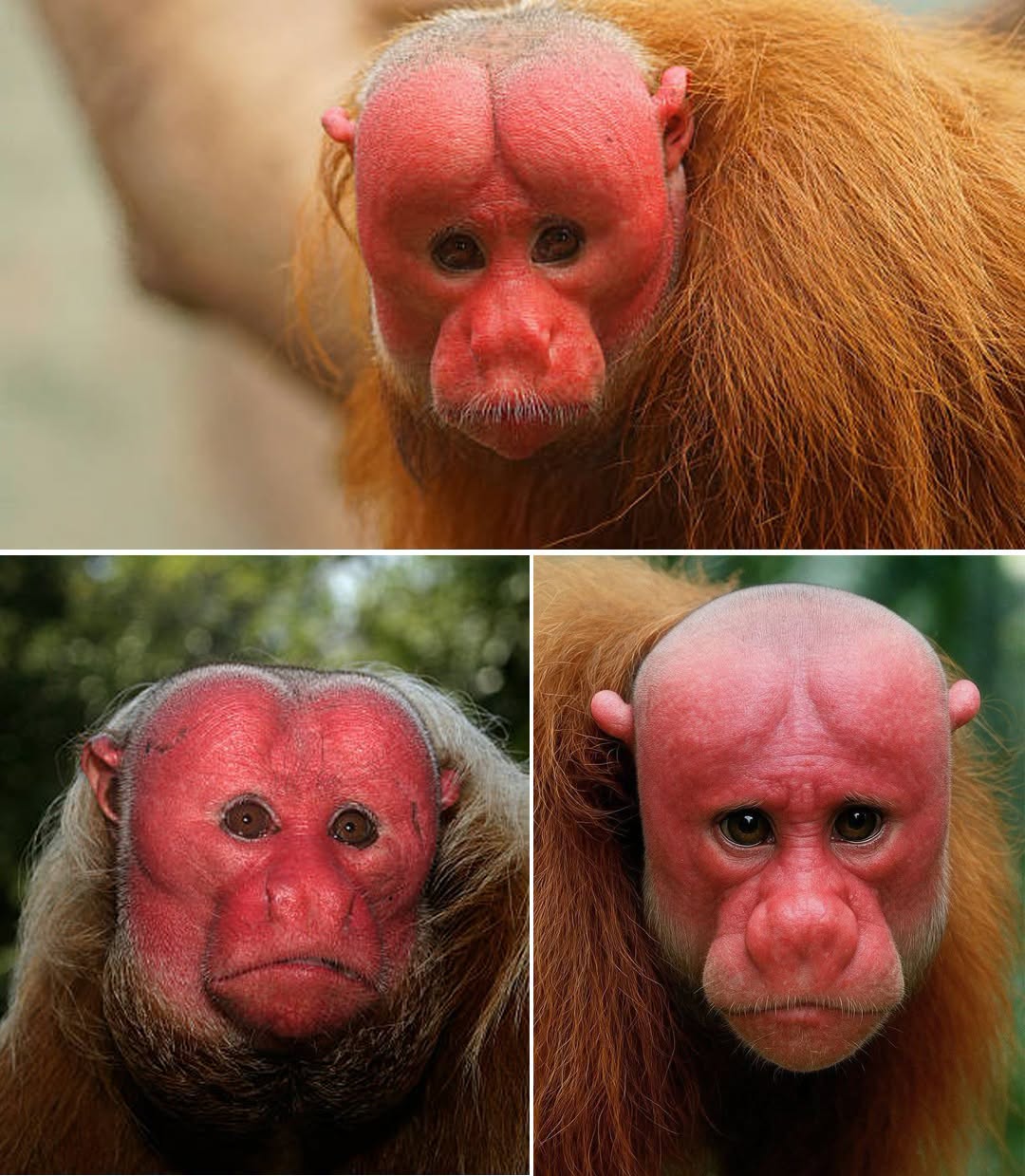
In certain regions of the Brazilian Amazon, a remarkable primate with a hairless, bright red head bears an unusual local nickname: “macaco inglês,” which translates to “English monkey.” Popular local legend attributes this name to the monkey’s striking resemblance to a pale British traveler suffering from severe tropical sunburn. While this humorous nickname is well-documented in regional folklore, the exact historical origin linking it directly to sunburned European explorers remains unverified by historical records.
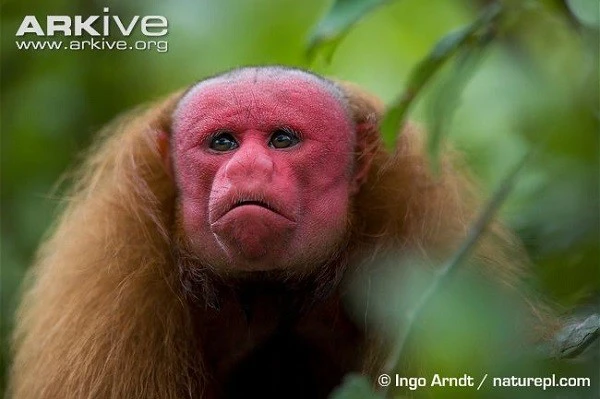
The primate in question is the bald uakari, specifically the white-coated subspecies characterized by shaggy, pale fur that creates a sharp visual contrast with its deep crimson face. Biological research reveals that this vivid facial coloration is not due to skin pigmentation, but rather thin facial skin completely lacking melanin, paired with a dense network of blood vessels running just beneath the surface. While viral internet claims suggest a bright red face strictly proves immunity to malaria, scientists explain that facial color variation is far more complex, likely functioning as an indicator of overall health, physiological condition, or mate selection.
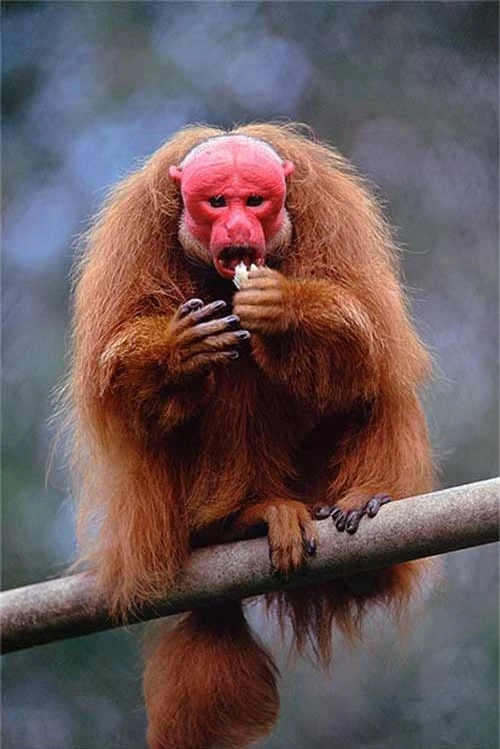
Beyond its distinctive face, the bald uakari possesses several unique physical adaptations suited for life in the rainforest canopy. Unlike many Amazonian primates, it has a remarkably short tail that cannot be used to grasp tree branches. Despite this limitation, it is an agile climber, running, clambering, and leaping effortlessly through high treetops. Furthermore, the species boasts exceptionally powerful jaws and specialized teeth designed specifically to crack open tough, unripe fruits and hard seeds that other rainforest animals cannot access. The viral nickname may capture public attention, but the animal behind it is a highly specialized creature surviving in the complex Amazonian ecosystem.