“WE’VE REACHED THE END OF RUBY’S ROAD”: CANNON HALL FARM’S HEARTBREAKING GOODBYE TO A MUCH-LOVED SHIRE HORSE
“WE’VE REACHED THE END OF RUBY’S ROAD”: CANNON HALL FARM’S HEARTBREAKING GOODBYE TO A MUCH-LOVED SHIRE HORSE
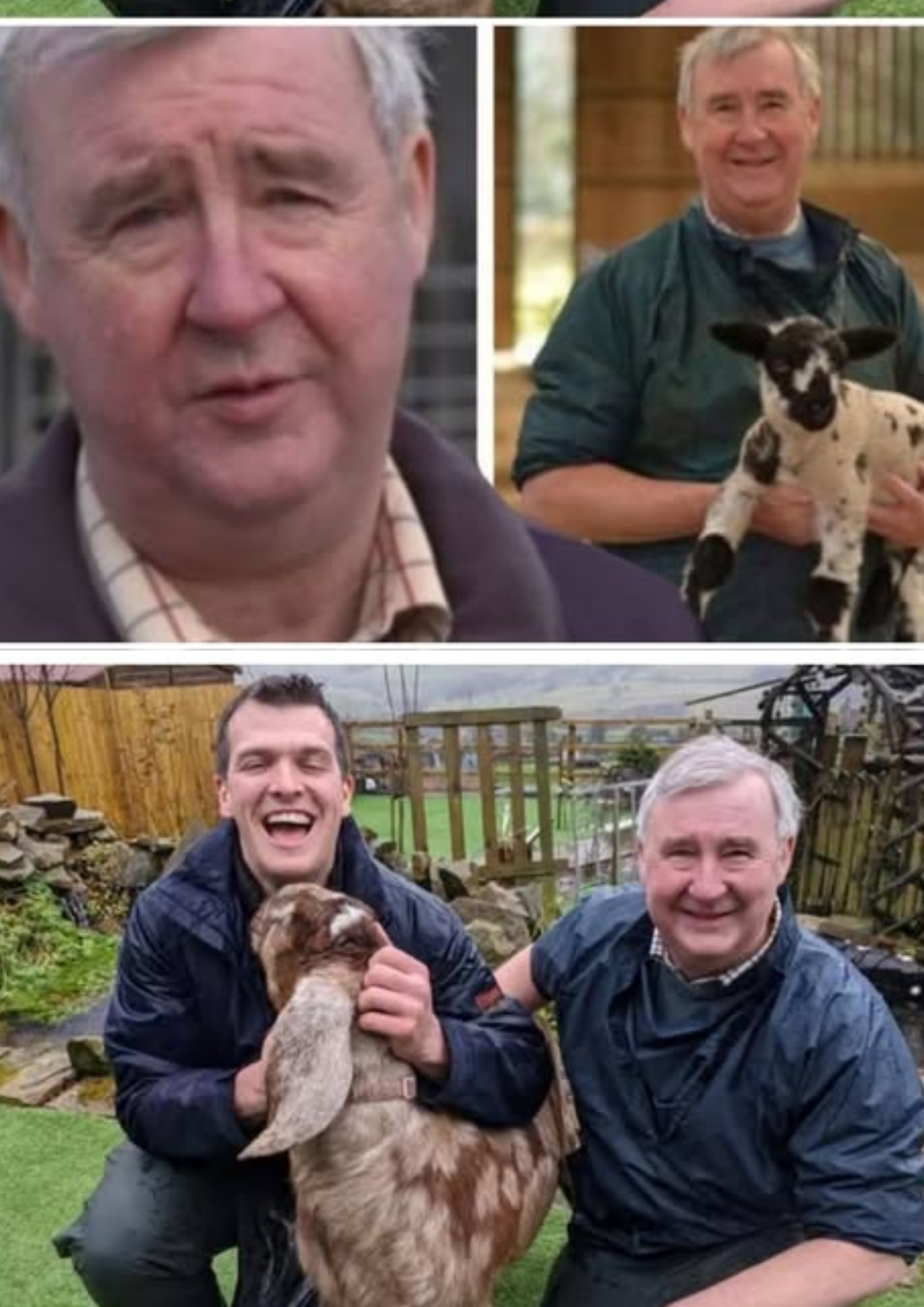
Farmer Robert Nicholson was left devastated after the decision was made to say goodbye to Ruby, the beloved Shire mare whose medical battle had touched thousands of animal lovers. After emergency surgery and weeks of uncertainty, her condition deteriorated, leaving the team facing one of the hardest decisions in animal care.
For the team at Cannon Hall Farm in South Yorkshire, Ruby’s story began with the joy of a new arrival but ended in heartbreaking circumstances.
The much-loved Shire horse had become a familiar face to visitors and online followers, many of whom watched her journey through the farm’s regular updates.
When Ruby became seriously ill shortly after giving birth in May 2026, the farm’s team rallied around her, seeking specialist veterinary treatment and hoping she would recover.
But despite the efforts made to save her, Ruby’s health later declined again. In July, farmer Robert Nicholson shared the heartbreaking news that the time had come to let her go.
“We’ve reached the end of Ruby’s road, unfortunately,” he told followers in an emotional update.
 A JOYFUL BIRTH TURNED INTO A MEDICAL EMERGENCY
Ruby gave birth to a foal on May 4, 2026. The birth initially appeared to go well, bringing excitement to the farm and its followers.
However, the following day, Ruby developed colic, a condition associated with abdominal pain that can become life-threatening in horses.
Her condition deteriorated to the point where she struggled to stand, prompting an urgent transfer to Rainbow Equine Hospital in Malton for specialist treatment.
The situation was so serious that Rob feared he might lose her. He later recalled visiting Ruby in hospital and saying goodbye, unsure whether she would survive.
The veterinary team worked to stabilise her and performed emergency surgery. Ruby also developed mastitis, an inflammation of the mammary gland, adding to the challenges of her recovery.
For a time, there were encouraging signs. She began eating properly and passing faeces, giving the farm renewed hope that she might recover sufficiently to return home.
Rob praised the veterinary professionals who treated her, saying their intervention had given Ruby a chance she might not otherwise have had.
Supporters followed each update anxiously, sending messages of encouragement to the team as they waited for news.
 A RECOVERY THAT DID NOT LAST
Although Ruby showed signs of improvement after her emergency treatment, her medical journey was far from over.
By July, her condition had deteriorated severely. The farm’s equine veterinarian, Marco, assessed her and advised that her quality of life had reached a point where continuing was no longer considered the kindest option.
Rob explained that Ruby was effectively standing on three legs and that he could not, in good conscience, keep her going in that condition.
He said he trusted Marco’s professional judgement, even though accepting the decision was deeply painful.
For the people who had cared for Ruby, it was a devastating moment after weeks of uncertainty and hope.
The decision to euthanise an animal is never easy for those who have formed a bond with it. But when recovery is no longer realistic and suffering cannot be adequately relieved, preventing further distress can become the most compassionate choice.
Ruby’s story reflected that difficult reality: doing everything possible to help an animal does not always mean being able to save it. <Cite refs={[“turn782345search2″,”turn782345search3”]}/>
“SHE’S VERY MUCH A FAN FAVOURITE”
Ruby’s illness had touched people far beyond the farm itself.
Rob said Cannon Hall Farm had received a huge number of calls and messages from concerned supporters during her hospital treatment. Some of the farm’s updates attracted enormous online audiences, showing how closely people had followed her progress.
For many, Ruby had become more than a horse they recognised from videos. Her story had given them a glimpse of the emotional realities of caring for animals, from the excitement of a birth to the fear of a medical emergency.
Every encouraging update brought renewed hope. Every setback left followers worrying about whether she would pull through.
When the final decision came, the sadness was shared by people who had watched her struggle from afar.
Yet for Rob and the farm team, the loss was far more personal. They had cared for Ruby directly, monitored her condition and hoped to welcome her home.
The messages of support could not change the outcome, but they showed how many people had come to care about her. <Cite refs={[“turn193405search0″,”turn782345search2”]}/>
A RARE BREED WITH AN IMPORTANT PLACE IN BRITAIN’S HISTORY
Ruby was a Shire horse, a historic British breed known for its great size, strength and gentle appearance.
Shire horses once played a vital role in agriculture, industry and transport. Their numbers have declined as machinery replaced working horses, and the breed is now considered at risk.
Cannon Hall Farm has worked to raise awareness of Shire horses through its breeding programme, public education and regular updates about the animals in its care.
Rob has previously spoken about the importance of helping preserve the breed and ensuring that future generations understand its place in British history.
Ruby’s own story was part of that wider work. Her foal’s arrival had brought excitement, while her subsequent illness showed the uncertainty that can accompany animal breeding and veterinary care.
The farm continued its work with the Shires despite the heartbreak of losing Ruby. <Cite refs={[“turn193405search0″,”turn193405search8”]}/>
THE PEOPLE BEHIND THE FARM’S SADDEST MOMENTS
Working with animals brings moments of joy, but it also means confronting illness, injury and loss.
For farmers and animal-care teams, the bond with an animal can grow through everyday routines: feeding, monitoring its health, recognising changes in behaviour and providing care when something goes wrong.
Ruby’s medical emergency demanded urgent action and specialist treatment. Her temporary improvement gave the team hope, making the later deterioration all the harder to accept.
Rob’s decision to follow the veterinarian’s advice showed the responsibility that comes with caring for an animal whose welfare depends on human judgement.
For the people at Cannon Hall Farm, Ruby was not simply part of a breeding programme or a popular face on social media. She was an animal they knew and wanted desperately to save.
A GOODBYE THAT WILL NOT BE FORGOTTEN
Ruby’s story began with the promise of new life and became a long period of medical uncertainty. The farm team pursued treatment, supporters followed her progress and moments of improvement raised hopes that she might return home.
But when her condition deteriorated again, the focus had to shift from recovery to her comfort and welfare.
Her death left Rob Nicholson and the Cannon Hall Farm team grieving a much-loved animal, while supporters sent messages of sympathy and remembered the journey they had followed.
The loss also serves as a reminder that animal welfare sometimes involves painful decisions, even when those making them have done everything they can to help.
Ruby may no longer be at Cannon Hall Farm, but her story remains part of the farm’s history — a story of hope, dedicated care and the heartbreaking reality that love sometimes means letting go.
Ruby was euthanised in July 2026 after her health deteriorated. The decision was made following veterinary assessment, with her welfare at the centre of the decision.
Sources