Spain’s Deadly High-Speed Train Collision Leaves at Least 68 Dead as Investigators Examine Safety Failures
Spain’s Deadly High-Speed Train Collision Leaves at Least 68 Dead as Investigators Examine Safety Failures
Spain’s Deadly Train Crash: At Least 68 Dead in Toledo Collision
A devastating collision between two high-speed passenger trains in central Spain has killed at least 68 people, turning a routine journey into one of Europe’s deadliest rail disasters in more than a decade.
The death toll continued to climb Wednesday as emergency crews searched damaged carriages and officials began examining how the two trains ended up on the same track.
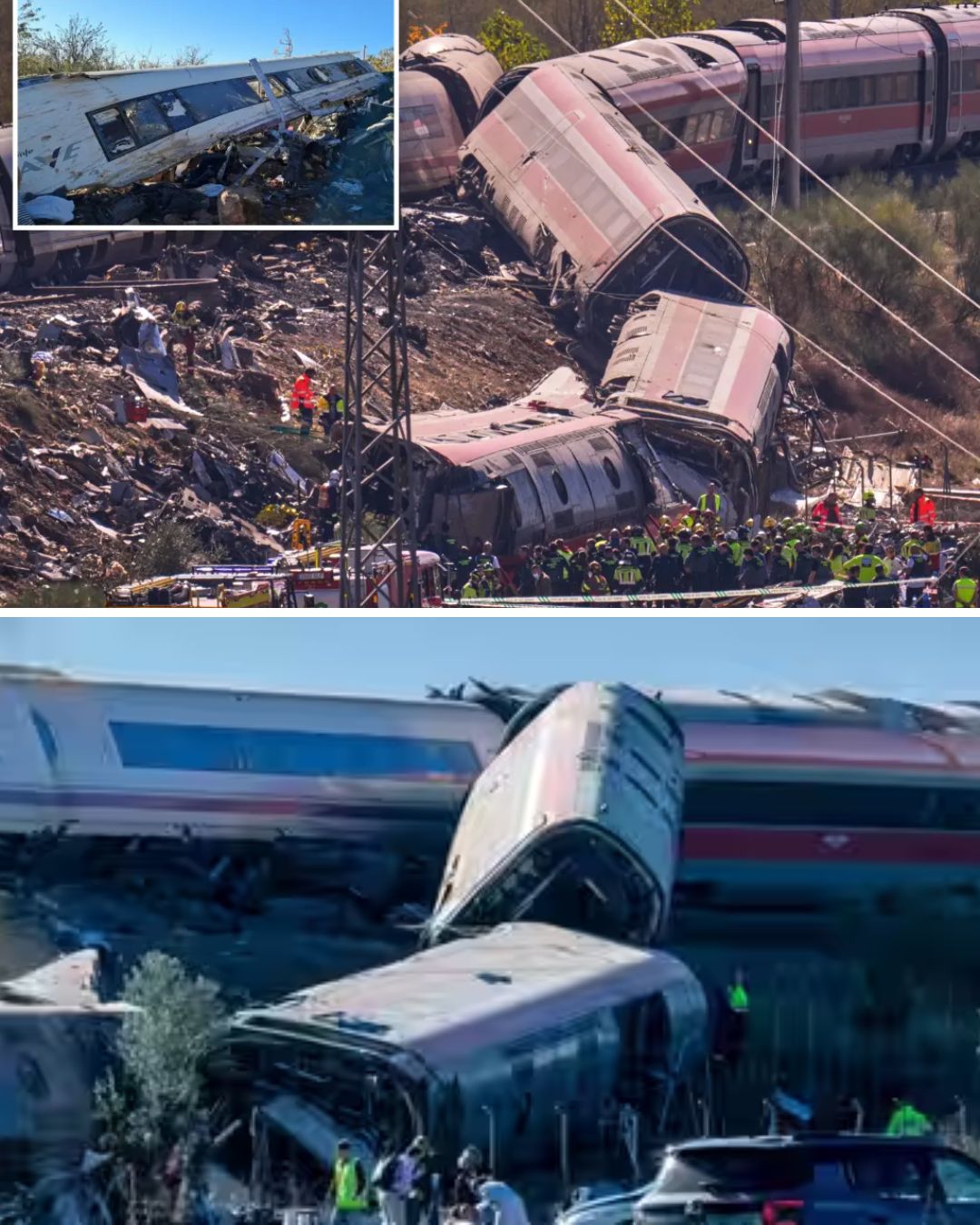
According to Reuters, the collision occurred near Urda, in Toledo province, on the high-speed line connecting Madrid with southern Spain. The impact sent multiple carriages off the rails, with wreckage scattered down an embankment.
Hundreds of Passengers Were Aboard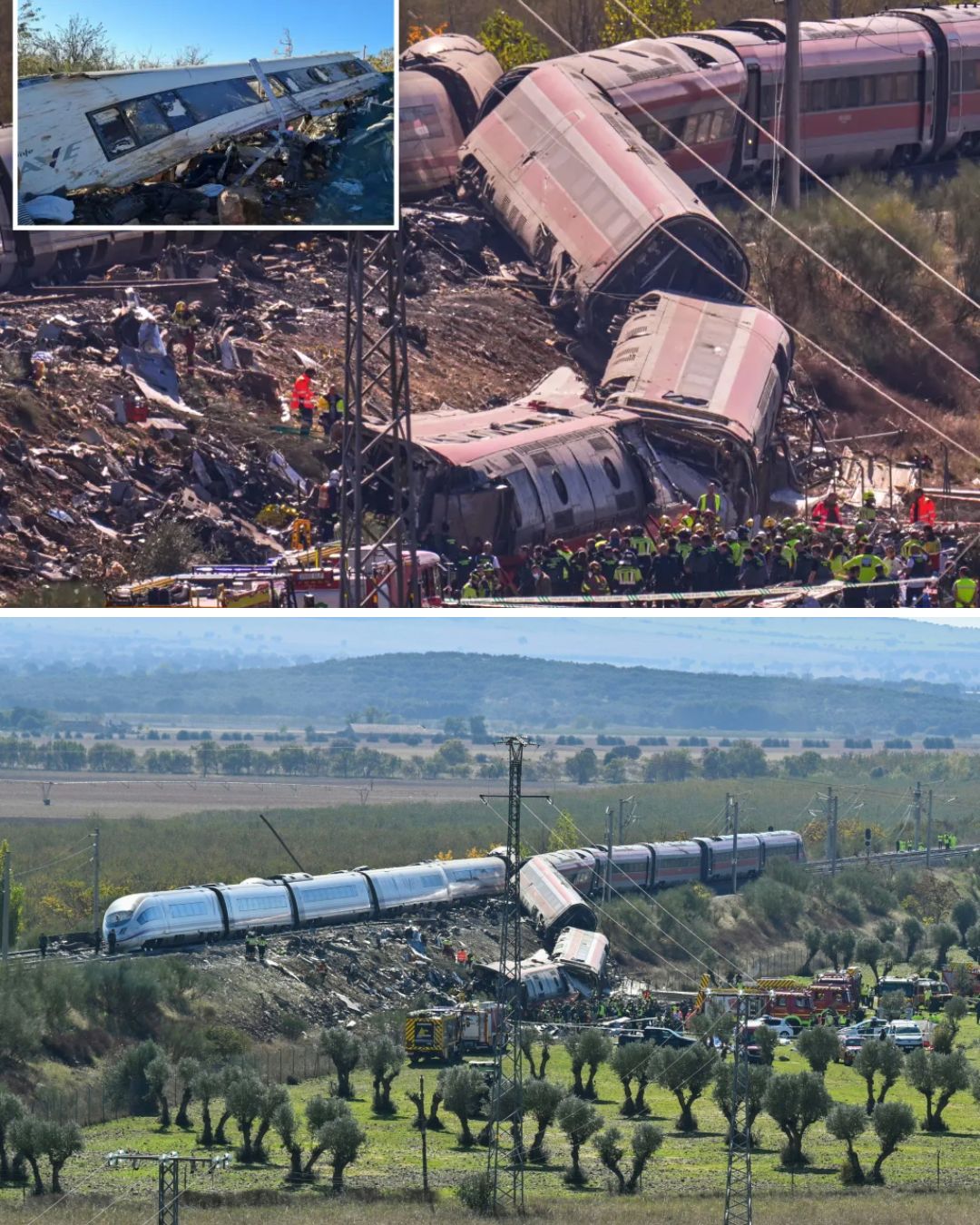
The trains were operated by Renfe, Spain’s state-owned railway company, and Iryo, a private rail operator.
Initial figures from regional authorities indicated that approximately 544 passengers were traveling aboard the two trains combined. One train was carrying 397 passengers, while the other had 147 aboard.
The collision prompted a large-scale emergency response involving ambulances, helicopters and rescue personnel.
Authorities warned that the final toll could change as responders continued searching the wreckage and assessing the full extent of the disaster.
The high-speed rail corridor between Madrid and Andalusia was suspended following the collision, disrupting services along one of Spain’s major transport routes.
Investigators Examine a Possible Signaling Failure
Questions surrounding the sequence of events have quickly become central to the investigation.
Spain’s transport minister, Óscar Puente, said the Renfe train had been authorized to continue despite an active red signal caused by a communications failure in the signaling system, Reuters reported.
According to the minister’s account, the failure automatically stopped rail traffic before a decision was made to allow the Renfe train to proceed.
Investigators are examining the circumstances surrounding that decision and the collision with the stationary Iryo train.
The precise chain of events, including the technical failure and the actions taken by railway personnel, will be crucial to establishing responsibility.
The investigation must determine whether the collision resulted from human error, a technical malfunction, procedural failures or a combination of factors.
Until investigators establish the facts, no single explanation should be treated as a final finding.
Another Deadly Railway Disaster Raises Questions
The tragedy comes just months after another catastrophic high-speed train accident in Spain.
In January 2026, a collision near Adamuz, in Córdoba province, killed 46 people and injured many others.
The two disasters have renewed attention on railway safety, infrastructure maintenance and the systems designed to prevent trains from entering occupied sections of track.
Spain operates an extensive high-speed rail network, carrying millions of passengers. The latest crash is likely to intensify scrutiny of how its safety systems respond when signaling or communications equipment fails.
However, the causes of the Toledo collision must be established independently. The January accident does not, by itself, prove that the same problems contributed to Wednesday’s disaster.
A Search for Answers Amid the Loss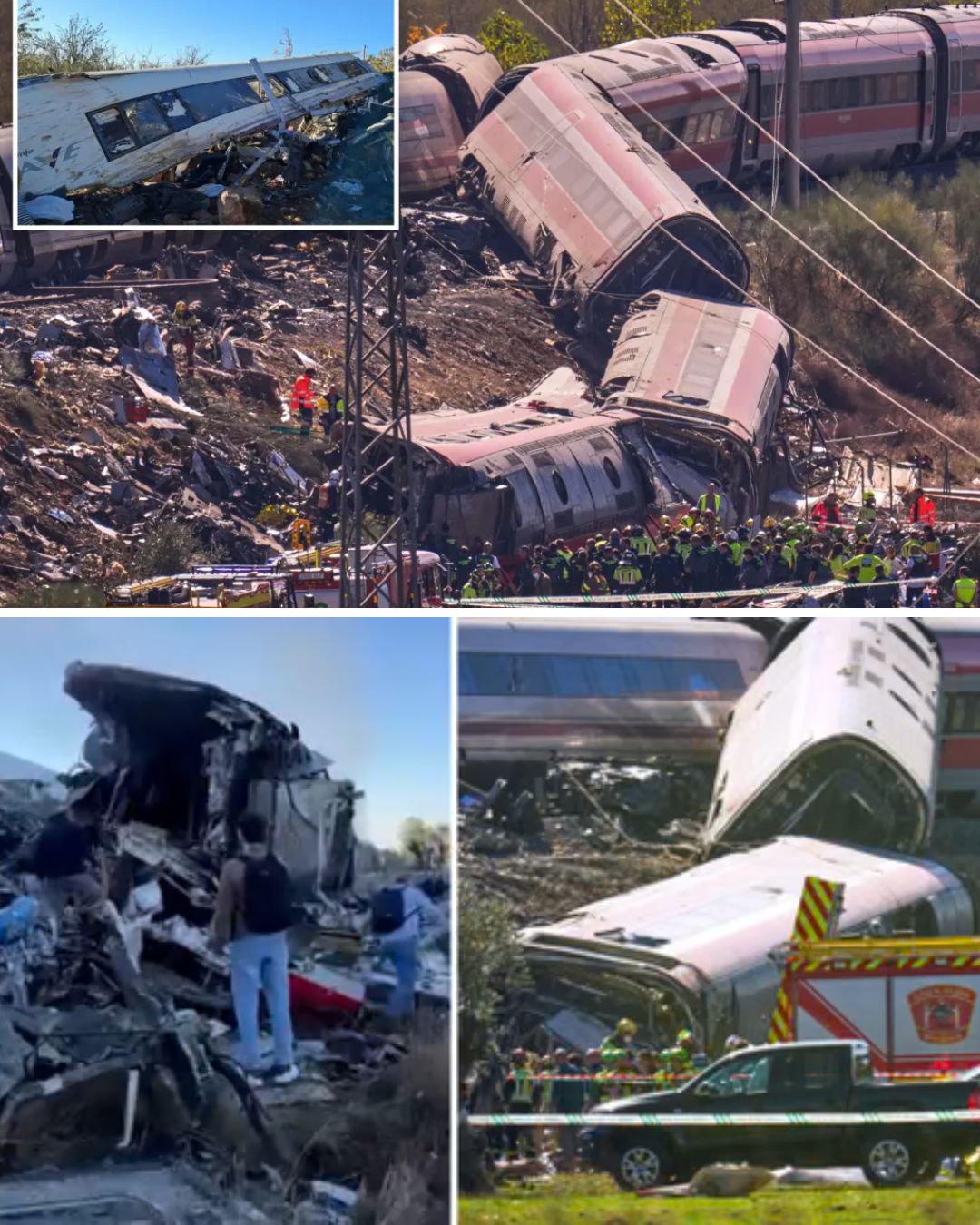
For families awaiting news of loved ones, the immediate priority remains confirmation of the victims’ identities and the condition of survivors.
For investigators, the challenge is to reconstruct the moments before impact and determine why the railway’s safeguards did not prevent the collision.
The findings could have implications for railway operating procedures, emergency protocols and public confidence in high-speed travel.
As rescue and investigative work continues, the central question remains: How did two passenger trains collide on a railway system designed to keep them safely apart?
The answer will depend on the evidence recovered from the scene, technical records and the accounts of those involved.
Reporting based on published reports available on October 28, 2026. Casualty figures and investigative findings may change as authorities release verified updates.