LUCY LETBY CASE: SENIOR DOCTOR ADMITS HE WISHES HE HAD GONE TO POLICE SOONER
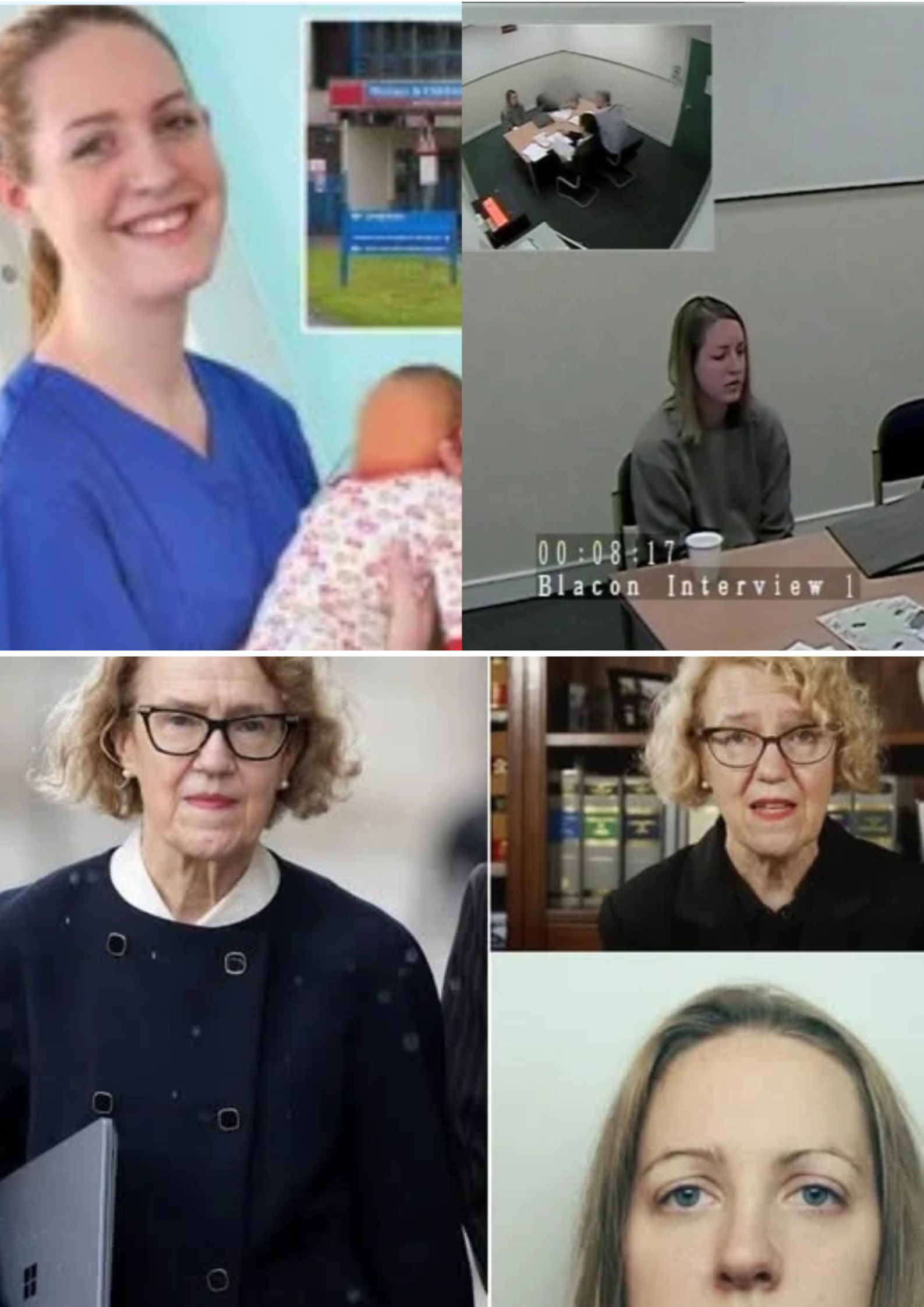
LUCY LETBY CASE: SENIOR DOCTOR ADMITS HE WISHES HE HAD GONE TO POLICE SOONER
Dr Stephen Brearey, the former lead neonatal consultant at the Countess of Chester Hospital, says he was naive to believe hospital managers would act on his concerns about Lucy Letby. Looking back, he says he and his colleagues would have contacted police earlier if they had known what lay ahead.
A senior doctor who raised concerns about Lucy Letby has spoken about one of his biggest regrets: not going directly to the police sooner.
Dr Stephen Brearey was the lead neonatal consultant at the Countess of Chester Hospital during the period when Letby, a nurse on the unit, was later convicted of murdering seven babies and attempting to murder seven others.
Speaking to BBC Radio 4’s Today programme on October 16, 2026, in his first interview since the publication of the Thirlwall Inquiry report, Brearey reflected on the warnings he and fellow consultants had raised — and the response they received from hospital management.
He admitted that he had believed senior managers would recognise the seriousness of the concerns once they were brought to their attention.
“I was naively thinking that raising concerns with senior managers, they had the same values that I did and, once they got it, they would be thinking the same way,” he said.
Looking back, he acknowledged that the group of doctors should have approached the police earlier.
“But obviously in retrospect, clearly, if we’d known what was ahead of us, we would have gone to the police earlier,” he said.
 SEVEN CONSULTANTS SHARED THEIR CONCERNS
Brearey led a group of seven consultants who had become concerned about a series of unexplained collapses and deaths among babies on the neonatal unit.
The doctors began raising questions about Letby’s presence during a number of these incidents. Their concerns were escalated to hospital managers, but Brearey said the warnings were repeatedly ignored.
The hospital conducted internal reviews into the increased number of baby deaths during 2015 and 2016.
However, Cheshire Police were not contacted until May 2017.
Letby was removed from the neonatal unit in July 2016, but she remained employed by the hospital until her arrest in July 2018.
Brearey said the consultants supported one another throughout the difficult period and believed that their decision to remain united helped ensure the concerns eventually reached the police.
He also reflected on how different things might have been if they had bypassed hospital management and contacted investigators earlier.
 DOCTOR DESCRIBES THE TRAUMA EXPERIENCED BY STAFF
Brearey’s interview also focused on the emotional impact the events had on medical staff.
He said there had been little psychological support for employees at the time of Letby’s arrest and in the period that followed.
Instead, colleagues relied on one another for support.
“It really was the team looking after the team, and colleagues looking after colleagues,” he explained.
He compared the experience to a soldier returning from battle with post-traumatic stress disorder, only to be sent back into the same environment without enough time to recover.
Staff on the neonatal unit, he said, continued returning to work and caring for sick babies despite the distress associated with what had happened.
He also described how the experience affected employees outside the hospital, including parents who found everyday situations and conversations with other families difficult.
THIRLWALL INQUIRY EXPOSED MAJOR HOSPITAL FAILURES
The doctor’s comments came after the publication of the final report from the Thirlwall Inquiry in September 2026.
The public inquiry examined how Letby’s crimes were able to take place and how hospital leaders responded to concerns raised by medical staff.
The report described a complete failure to protect babies on the neonatal unit and identified serious problems with management, communication and safeguarding.
Lady Justice Thirlwall said staff did not need to be certain that a colleague was guilty before safeguarding action could be taken when deliberate harm was suspected.
The inquiry made 17 recommendations aimed at improving patient safety and preventing similar failures in the future.
Among the proposals were CCTV coverage for neonatal cots and incubators, tighter controls over access to insulin, mandatory safeguarding training and improvements to NHS information systems.
Brearey said the recommendations could help prevent future incidents or ensure concerns are identified more quickly.
However, he warned that changing the culture across the NHS would take time.
He said it was not enough for new rules to be written into policies and contracts; they also needed to be put into practice throughout the health service.
LETBY CONTINUES TO MAINTAIN HER INNOCENCE
Lucy Letby is serving 15 whole-life orders after being convicted of murdering seven babies and attempting to murder seven others.
She has consistently maintained her innocence. Her appeals against her convictions have been rejected, while the Criminal Cases Review Commission has been examining her case to determine whether there may be grounds for referring it back to the Court of Appeal.
The Thirlwall Inquiry examined the hospital’s handling of concerns and the wider safeguarding failures. It was not a criminal appeal or a retrial of Letby’s convictions.
A REGRET THAT STILL HAUNTS THE DOCTOR
Brearey’s latest comments have brought renewed attention to the warnings raised inside the hospital and the time it took for the concerns to reach the police.
His reflection is not simply about one decision. It raises wider questions about how healthcare workers should be supported when they report serious concerns, how hospital leaders respond and how patient safety must take priority.
The Thirlwall Inquiry has now set out recommendations for change. Whether those lessons lead to lasting improvements across the NHS remains an important question.
“If we’d known what was ahead of us, we would have gone to the police earlier.”
For Dr Stephen Brearey, those words capture the painful hindsight of a doctor who believes the warning signs should have been acted upon sooner. For the families affected by the crimes, the failures examined by the inquiry remain part of a tragedy that can never be undone.