MIRACLE BOY Baby is ‘first in world’ to survive being born with his 𝚋𝚛𝚊𝚒𝚗 OUTSIDE his 𝚜𝚔𝚞𝚕𝚕
In the tenth week of her third pregnancy, Maria Santa Maria discovered her baby boy had a life-threatening condition: exencephaly, also known as anencephaly.
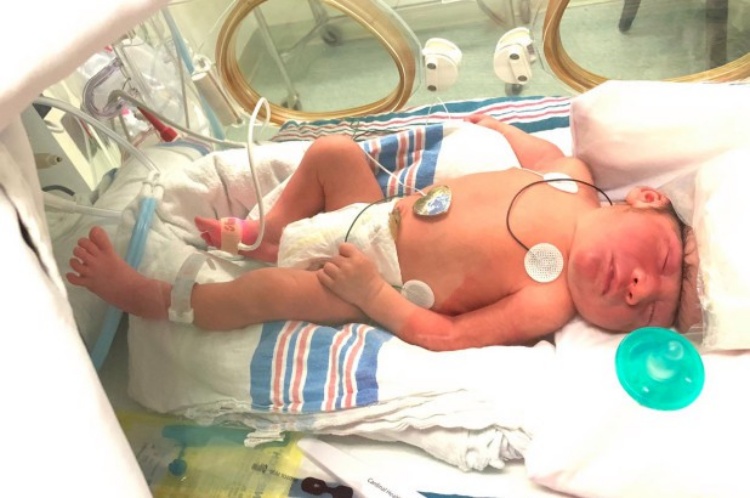
Ultrasound images showed that part of the baby’s skull was missing. This meant his brain was in direct contact with the amniotic fluid inside the womb. All babies with exencephaly have only survived for a day or less.
The doctors called Maria in and told her she had two options: either have an abortion immediately, or wait until the birth and have a few minutes together before he dies.
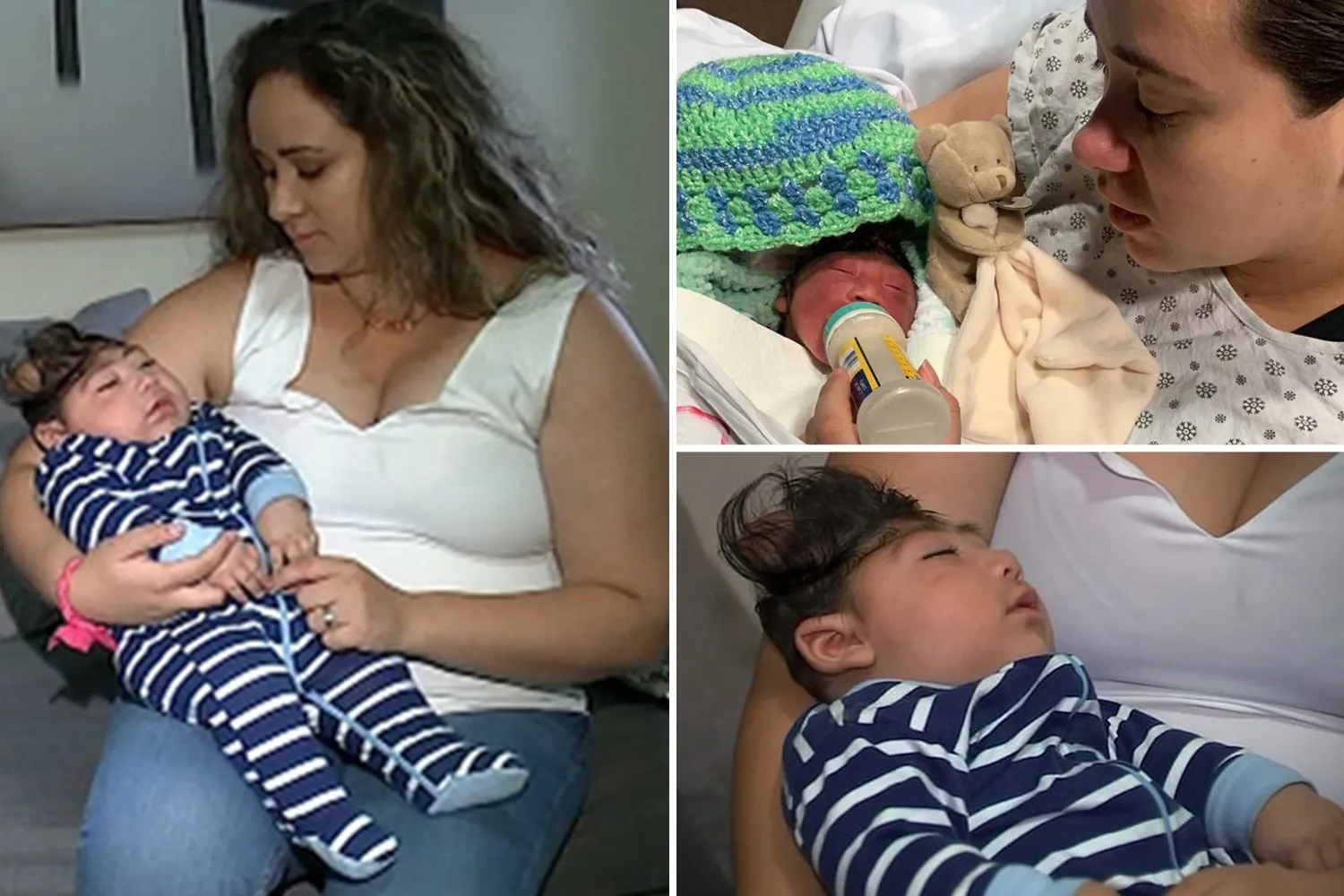
Maria chose the second option. But her son lived to seven months, and continued to live despite the near-zero odds of survival. Lucas was the first child to survive exencephaly.
Before becoming pregnant with Lucas, Santa Maria had already been the mother of three perfectly healthy girls. Therefore, the woman living in New Jersey, USA, was devastated when doctors told her fourth child had no chance of survival.
“They kept saying my baby wouldn’t live,” Maria said. Every day, the boy grew in Maria’s womb, but she felt like she was losing her precious child.
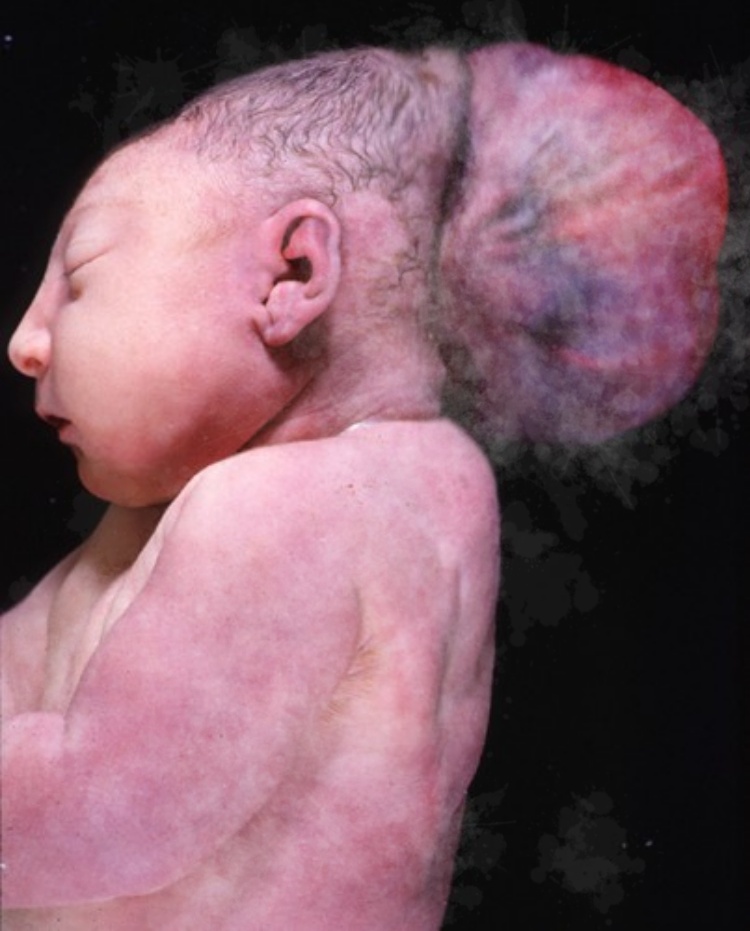
Lucas was diagnosed with exencephaly, an extremely rare birth defect occurring in only 3 out of 10,000 births. In this condition, his skull did not fully form, leaving part of his brain protruding and in direct contact with the amniotic fluid in the uterus.
Normally, exencephaly causes the fetal brain to develop abnormally, even destroying the brain and killing the child while still in the womb. One case in 2009 involved a full-term fetus with exencephaly who only lived for three hours.
The autopsy revealed the child’s brain was covered by a thick membrane, swollen in some areas, and had abnormally developed blood vessels.
Lucas, the child who defied the odds, survived past his birth date.
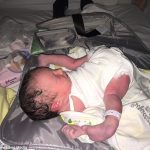
When Lucas was born, Maria had mentally prepared
for his death. Maria’s three young daughters even came to the delivery room to say hello, and goodbye, to their baby brother.
The father, Augusto, had called a funeral home.
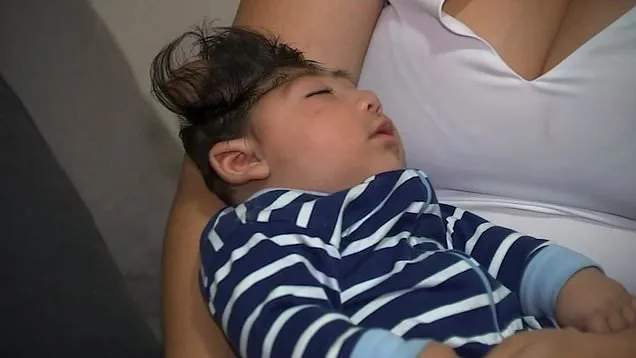
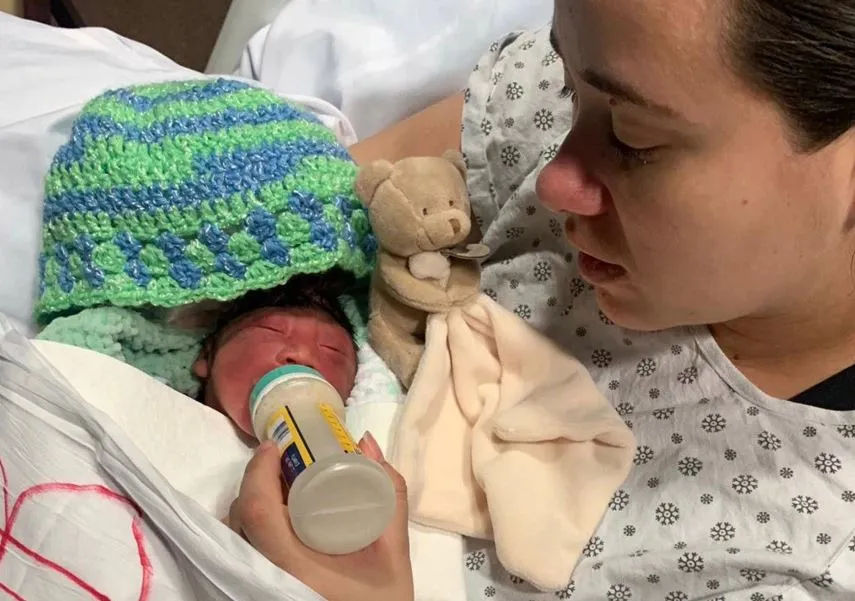
But hours passed, and Lucas was still breathing. He nursed, and lived longer than any other child with exencephaly. Maria began to hope that her son could live.
Tim Vogel, director of the Pediatric Neurosurgery Department at the North Jersey Brain and Spine Center, suggested surgery. With his experience, Dr. Vogel believed that if he succeeded in stabilizing the protruding brain tissue that looked like a water balloon on top of Lucas’s head, Maria could take him home.
But there was still a risk, “if he goes home and this fluid sac ruptures, there will be nothing more that can be done,” Dr. Vogel said.
To save Lucas’s life, doctors had to remove half of the basal panglia, the part of the brain responsible for controlling his movement. The other half was preserved.
The younger the child, the more flexible their body is to recover. Half of the basal panglia in the brain was removed due to damage, but Dr. Vogel hoped that the remaining half of Lucas’s brain could take over and perform all the tasks of the missing part.
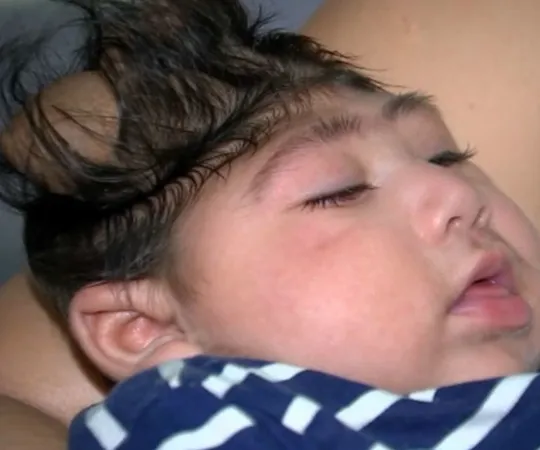
This procedure would also reduce the likelihood of the boy developing seizures or other brain damage later in life. A few weeks after the surgery, Lucas was discharged from the hospital.
The boy is developing at the same rate as other seven-month-olds, Dr. Vogel said. Lucas can now eat cereal and baby food. He used to cry for his mother when he woke up, and is now undergoing physiotherapy.
“I think what he’s shown has exceeded our expectations,” Dr. Vogel said. “In fact, we see him eating, trying to crawl, doing physiotherapy – he’s recovering faster than ever before.”
Vogel said he will continue to be with Lucas as he grows up. The doctor will do his best to protect Lucas’s brain and guide his neurological development.
“Lucas will be with me for a long time,” Vogel said. Every time he sees him, he feels encouraged by the small but strong spirit within Lucas.
Santa Maria and Augusto are now simply enjoying the happiness of being parents. Previously, they had never dared to dream of such a wonderful outcome for Lucas.
The boy is also a source of hope for other parents, with other children also receiving diagnoses indicating they are unlikely to survive after birth. “Mothers often say, even if we only have five minutes with our child, it will all be worth it,” Maria said. “Thank God, we received so much more than that.”