A WAR FAR FROM AFRICA IS KILLING WHALES NEAR THE CAPE OF GOOD HOPE.
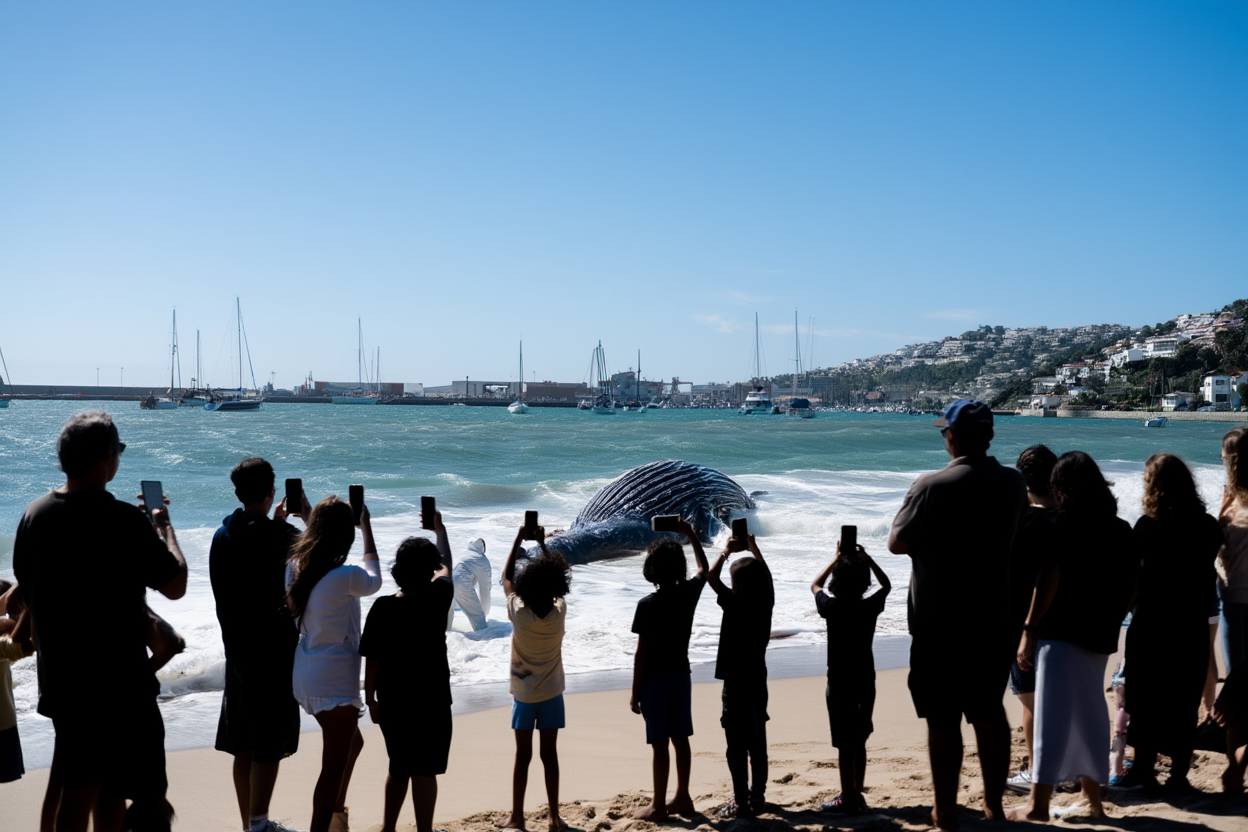
A WAR FAR FROM AFRICA IS KILLING WHALES NEAR THE CAPE OF GOOD HOPE.
While most of the world watches conflicts unfold thousands of miles away, a hidden tragedy is quietly unfolding along the southern tip of Africa. Scientists warn that as global instability disrupts shipping lanes in the Red Sea, the resulting surge of cargo traffic is putting whales at grave risk in South Africa’s coastal waters.
Rising Threats in the Deep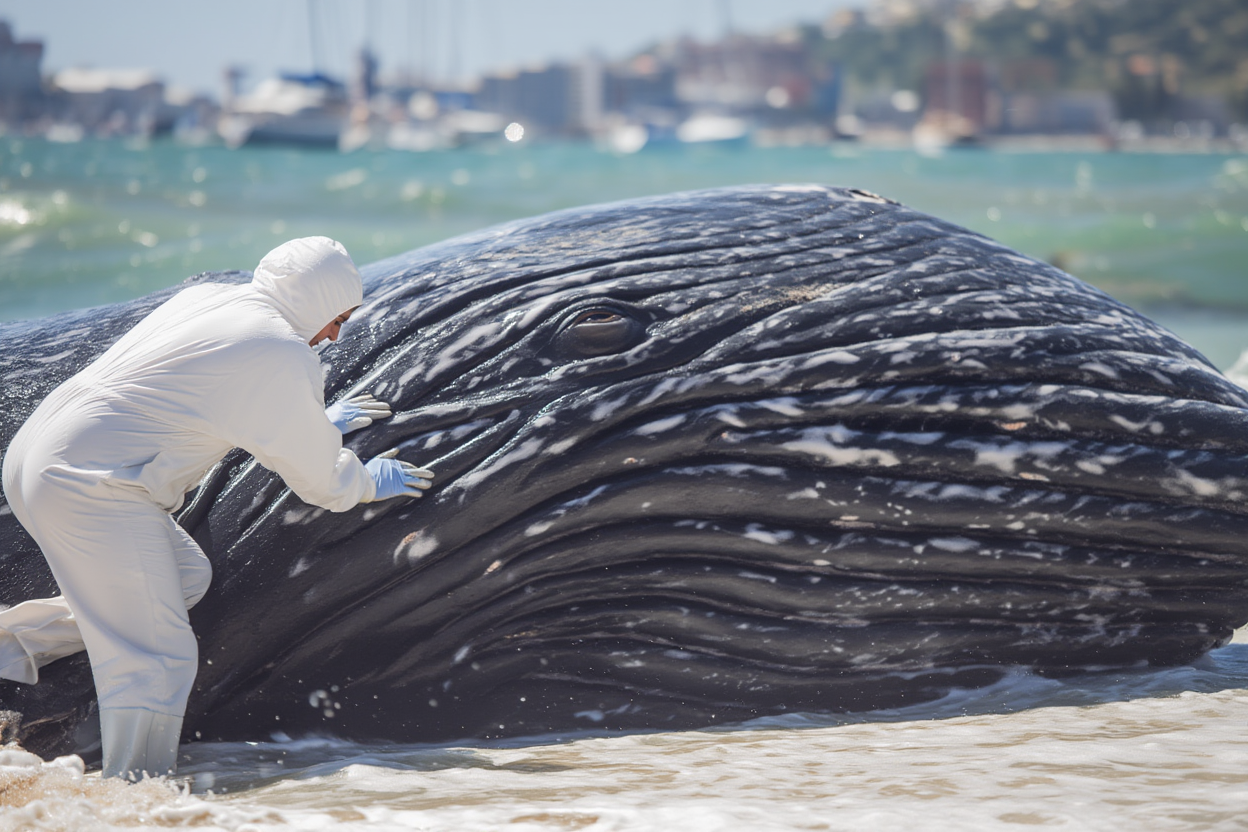
Marine biologists report an alarming uptick in ship strikes — collisions so severe that many whales die without ever being spotted. “We are likely seeing a hidden death toll,” says Dr. Naledi Mbeki, a marine ecologist based in Cape Town. “Whales are large, slow-moving creatures, and when massive container ships collide with them, the results are often fatal.”
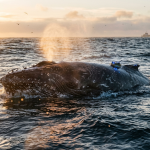
The Cape of Good Hope is a critical habitat for several whale species, including humpbacks, southern right whales, and endangered blue whales. These gentle giants migrate thousands of kilometers along South Africa’s coastline, seeking breeding grounds and feeding areas. Experts fear that the sudden increase in shipping traffic could disrupt these migratory routes, causing long-term population declines.
The Global Domino Effect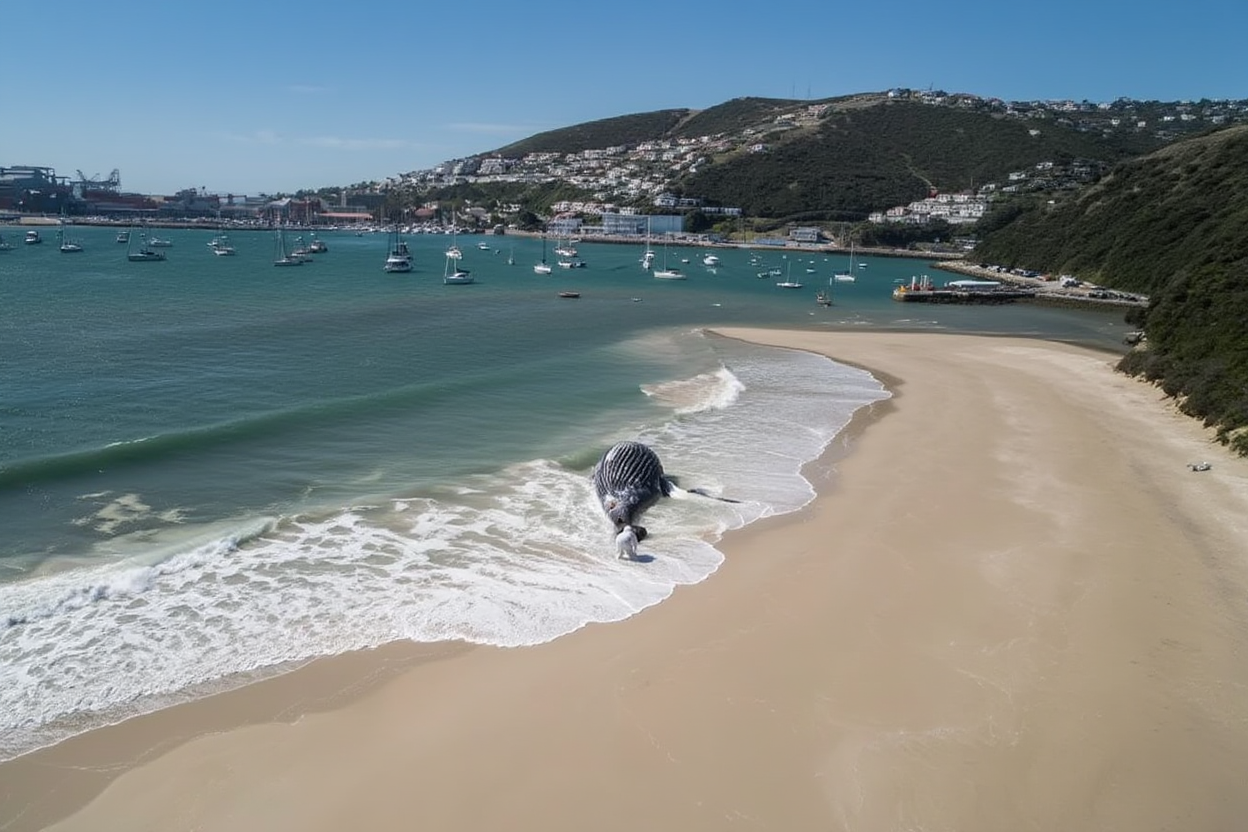
The spike in shipping is linked directly to geopolitical tensions far away. Blocked or rerouted cargo vessels from the Red Sea and Suez Canal are now taking longer, more circuitous routes around southern Africa. Each massive freighter entering whale-rich waters increases the likelihood of collisions.
“It’s a tragic example of how distant human conflicts ripple through the natural world,” explains Dr. Mbeki. “No one is watching these waters closely enough to know how many whales are dying — and the population could be affected for generations.”
Calls for Urgent Action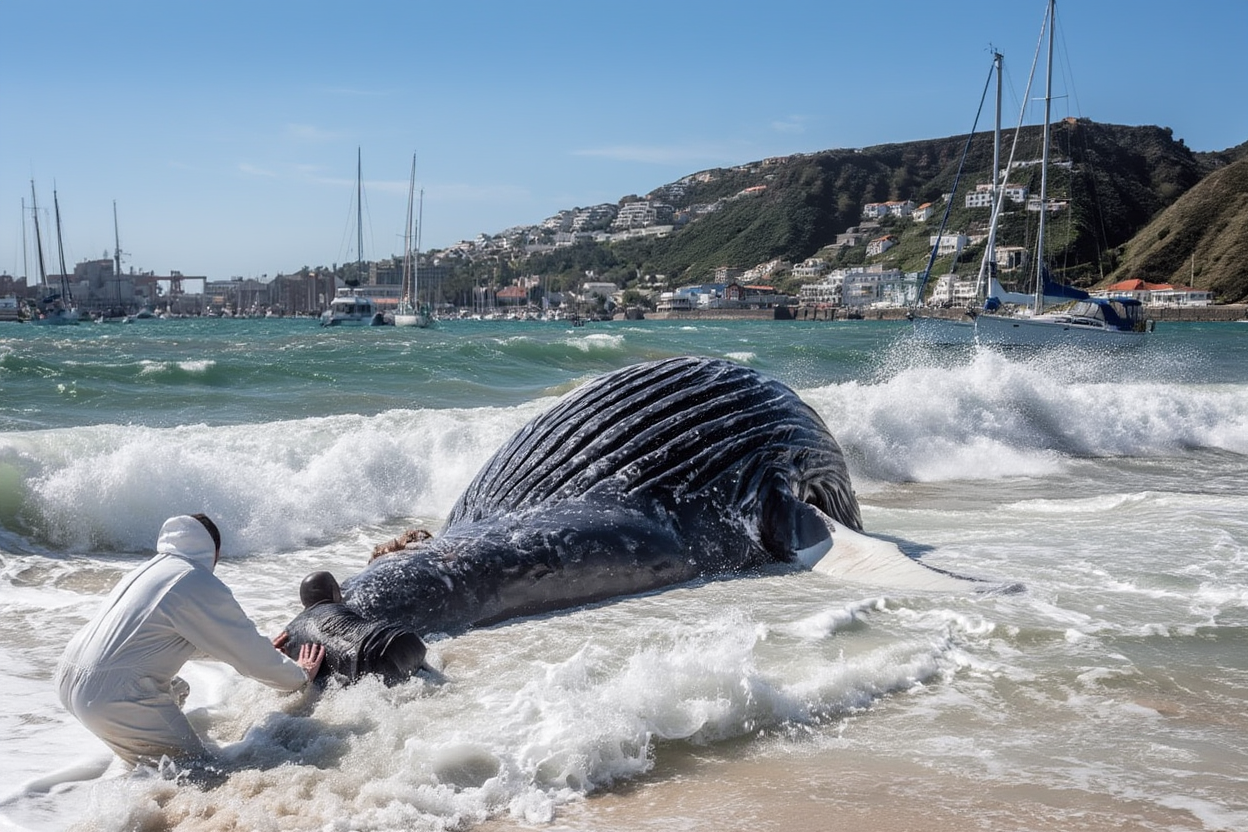
Marine conservation groups are now pushing for immediate emergency measures:
- Slower shipping speeds in whale migratory zones.
- Real-time whale tracking technology shared with maritime traffic authorities.
- Mandatory reporting of whale sightings by commercial vessels.
- Temporary rerouting of major shipping lanes where possible.
Without swift action, experts warn, South Africa’s whales may face unprecedented losses. And unlike oil spills or visible fishing nets, ship strikes are largely invisible, leaving the devastation hidden beneath the waves.
Why This Matters
Whales are not just symbols of ocean health; they play a critical role in maintaining marine ecosystems. Their decline affects fish populations, plankton health, and even carbon absorption — which means these hidden deaths could have consequences far beyond the coastline.
The Call to Action
The ocean doesn’t stop for human wars. As shipping routes continue to surge, the Cape’s majestic whales are on the frontline. Scientists and conservationists urge governments, shipping companies, and the global community to act before the death toll becomes irreversible.