500 BEAGLES STILL INSIDE RIDGLAN FARMS — THE RESCUE MISSION CONTINUES

500 BEAGLES STILL INSIDE RIDGLAN FARMS — THE RESCUE MISSION CONTINUES
In Wisconsin, the story of Ridglan Farms is far from over. While more than 1,500 beagles have already been scheduled for rescue, hundreds of dogs remain inside the breeding facility, waiting for a chance at freedom. Rescue organizations warn that the mission to save these animals is ongoing, as public pressure grows to ensure no dog is left behind.
For nearly two years, these beagles lived in a world of stainless steel cages, fluorescent lights, and silent routines. They were bred for laboratory testing, with little sunlight, no toys, and minimal human interaction. Many of the dogs had never touched grass or felt affection.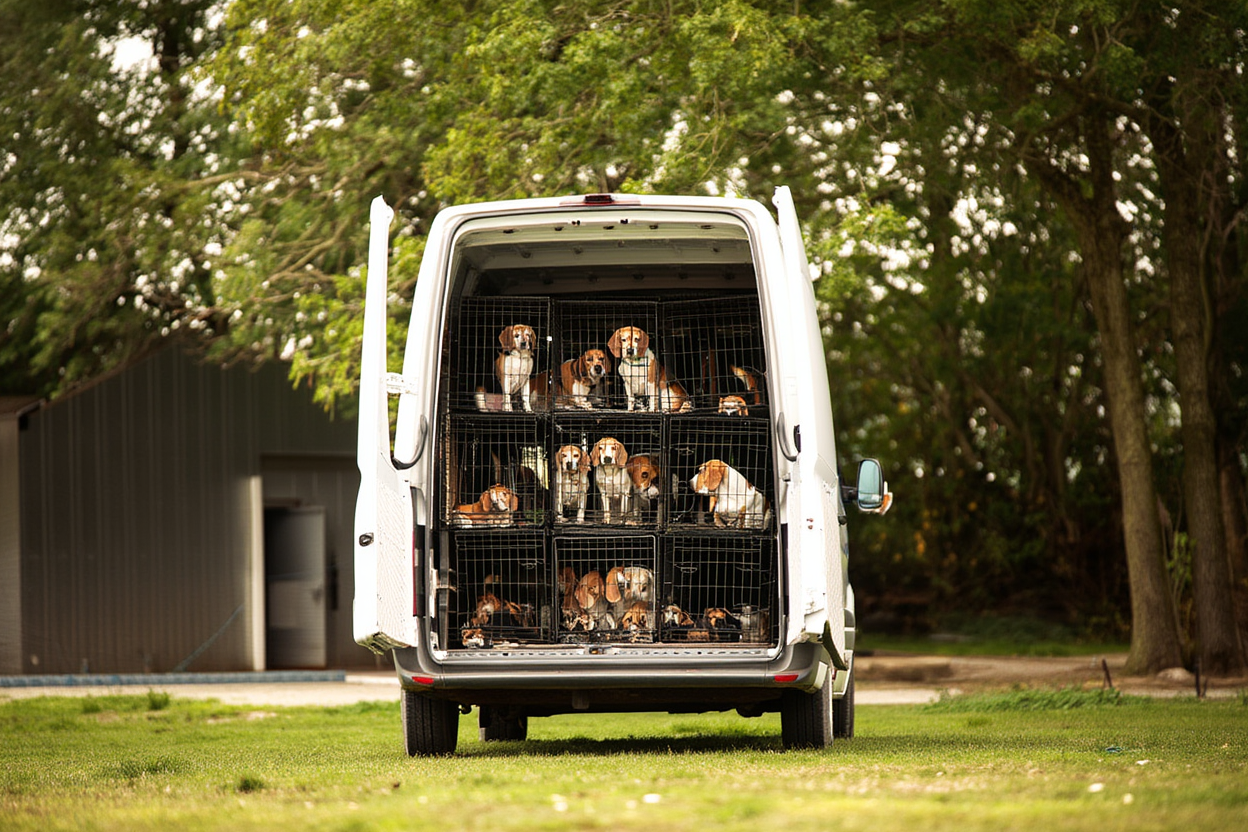
Now, as more dogs are released from Ridglan Farms, volunteers are witnessing remarkable transformations. Dogs that once cowered in cages are stepping tentatively onto grass, exploring the world outside, and responding to gentle voices for the very first time. Some have discovered toys, soft bedding, and the simple joy of human companionship — experiences that had been completely absent from their lives.
Rescue groups emphasize that the work is far from done. Every dog still inside the facility represents an urgent challenge. Coordinating transport, ensuring veterinary care, and finding foster or permanent homes requires careful planning and significant resources. Volunteers and advocates are calling on the public to support these efforts, either through donations, fostering, or simply spreading awareness.
The Ridglan Farms rescue is more than a story about animals — it is a testament to resilience, hope, and the impact of collective action. Each beagle saved represents a second chance at life, a chance to experience freedom and love that had been denied for so long.
As the operation continues, one question remains at the forefront: will every remaining dog make it out safely? Conservationists and animal welfare advocates insist that the answer must be yes, and that no dog should be left behind.
The ongoing rescue is also a stark reminder of the broader issues surrounding laboratory breeding practices, animal welfare laws, and the ethical treatment of animals in research. Public attention, advocacy, and continued pressure on authorities are essential to prevent future suffering and ensure that these dogs — and others like them — are given the protection they deserve.