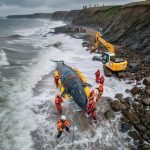
This isn’t a movie scene… this whale could literally EXPLODE.
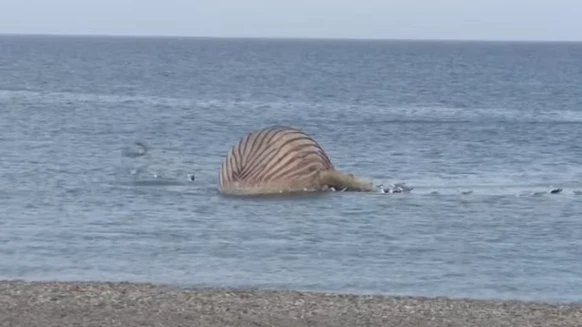
This isn’t a movie scene… this whale could literally EXPLODE.
A massive humpback whale named “Timmy” has washed ashore and is rapidly decomposing under extreme heat, with deadly gases like methane and hydrogen sulfide building up inside its body every hour. Experts warn that if the pressure continues to rise, the whale could rupture suddenly, creating a hazardous situation for anyone nearby.
Authorities are urging the public to stay well away from the carcass, while emergency teams assess the safest way to handle the situation. A previous removal attempt was abandoned due to safety concerns, and a new operation is reportedly being planned as urgency escalates.
But the debate online isn’t just about Timmy…
Why are whales dying like this more frequently around the world? Scientists and conservationists point to several factors:
- Climate change: Warmer oceans accelerate decomposition and create conditions that stress marine life.
- Pollution: Plastics, chemicals, and human waste are taking a deadly toll on whales and other marine animals.
- Human interference: Ship strikes, entanglement in fishing gear, and habitat disruption are increasingly killing large marine mammals.
- Ecosystem imbalance: When whales die, their bodies can become hazardous if not managed properly, highlighting the fragility of marine ecosystems.
Why Timmy matters:
This isn’t just a shocking viral headline — it’s a warning about the state of the world’s oceans. Events like Timmy’s death are becoming more common, and each incident raises urgent questions about how humans are affecting marine life and whether we’re ready for the consequences.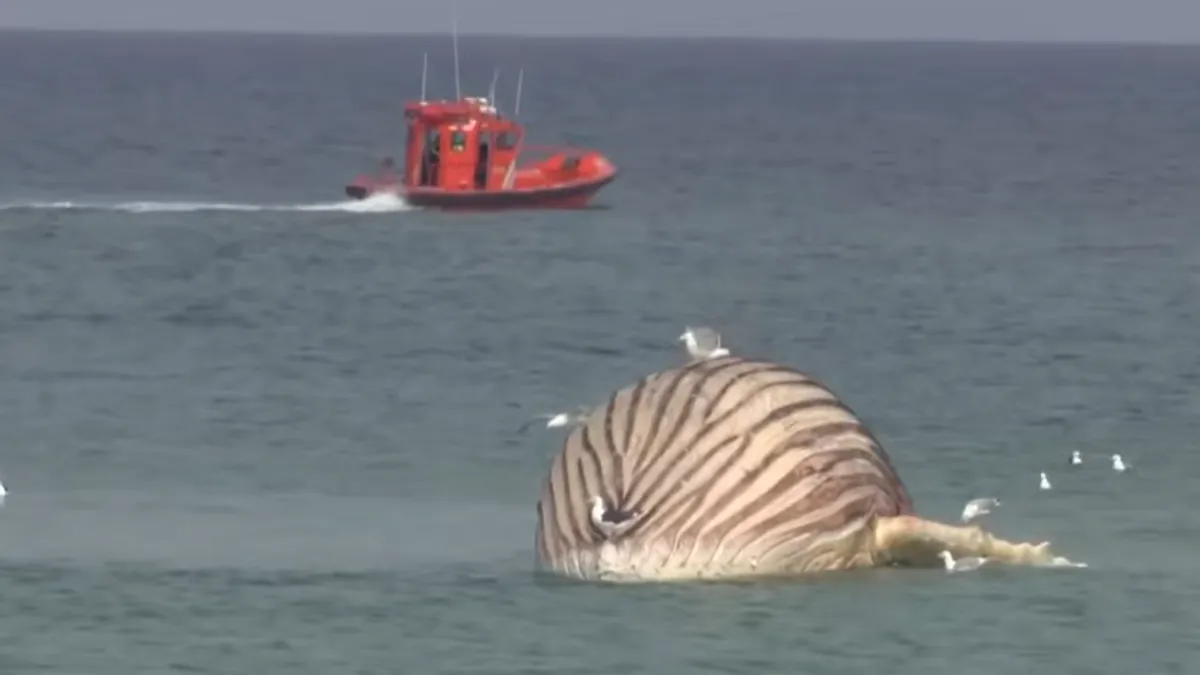
Public safety reminder:
- Keep a safe distance from decomposing whale carcasses.
- Report sightings to local authorities immediately.
- Follow official guidance on beach closures or emergency operations.
Timmy’s story is a chilling reminder that the oceans are changing — and humanity is watching the consequences unfold, often too late.