Streets, Homes, and Tombs Found Beneath the Waters of Greece
Streets, Homes, and Tombs Found Beneath the Waters of Greece
A series of remarkable underwater discoveries off the coast of Greece is shedding new light on ancient civilizations that once thrived along the Mediterranean before being lost to the sea.
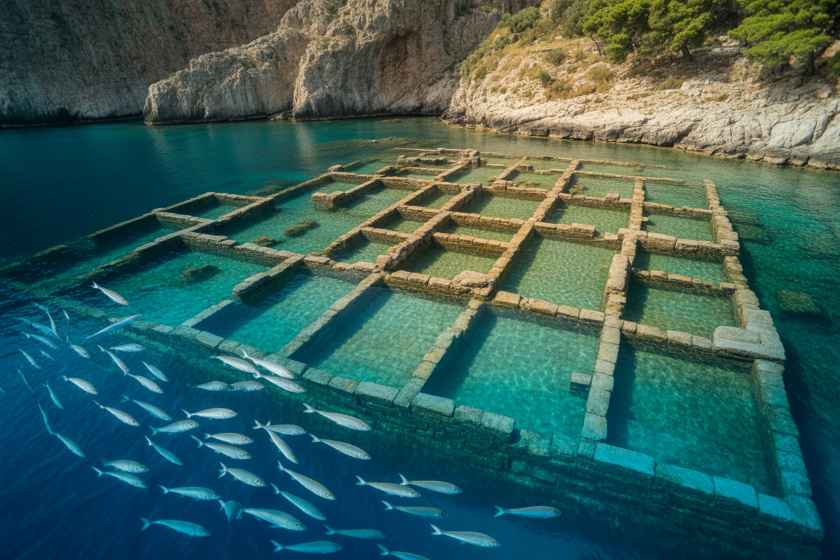
Marine archaeologists have uncovered submerged streets, stone-built homes, harbor structures, and burial sites resting beneath coastal waters, offering a rare glimpse into communities that existed thousands of years ago. Some of these settlements date back to the Bronze Age, while others belong to later Greek and Roman periods.
Researchers believe many of these ancient sites were gradually submerged due to rising sea levels, earthquakes, coastal subsidence, and other geological processes. Over centuries, entire neighborhoods that once stood on dry land disappeared beneath the waves, preserving valuable evidence of daily life in the ancient world.
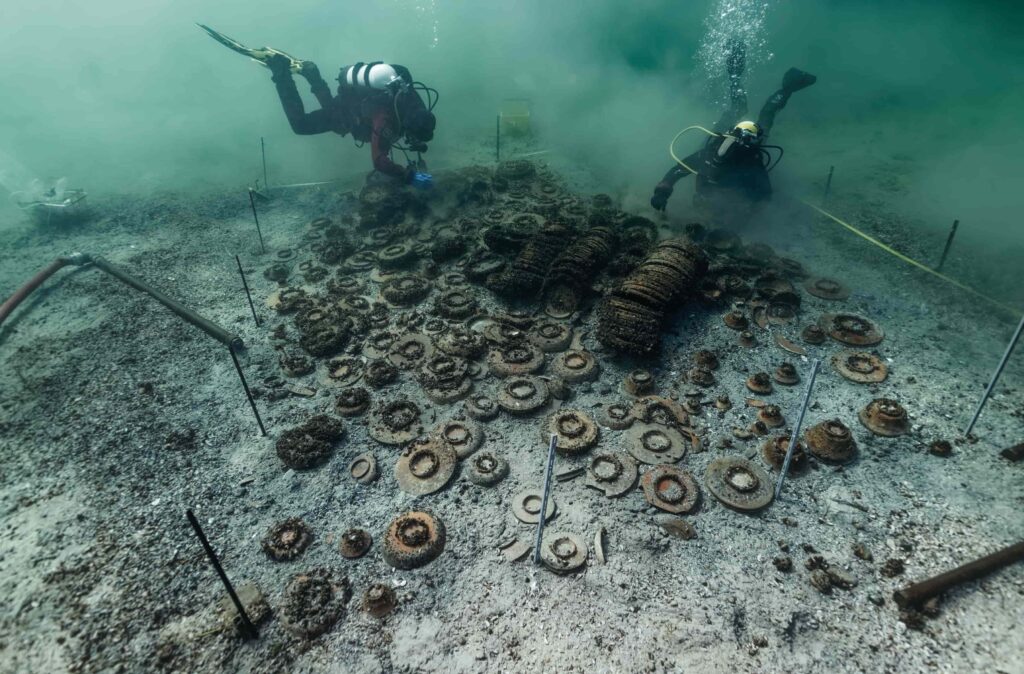
Among the most significant finds are paved streets, residential buildings, storage facilities, and tombs containing artifacts such as pottery, tools, and decorative objects. These discoveries help archaeologists reconstruct how people lived, traded, worshipped, and buried their dead in coastal settlements long before the modern era.
Advanced technologies including sonar mapping, underwater drones, and 3D imaging have allowed researchers to document structures with unprecedented detail. In some locations, the layout of entire districts can now be traced beneath the seabed.
The discoveries also provide important clues about how ancient populations adapted to environmental change. Evidence suggests that some communities may have experienced gradual flooding, while others were impacted by sudden seismic events and tsunamis.
Although sensational headlines sometimes describe these sites as “lost cities,” archaeologists emphasize that they are part of a broader pattern of submerged cultural landscapes found throughout the Mediterranean region. Their significance lies not in myth, but in the extraordinary archaeological information they preserve.
As exploration continues, the waters surrounding Greece are revealing chapters of history that remained hidden for centuries. Beneath the surface lie the remnants of streets once walked by merchants, homes once occupied by families, and tombs that continue to tell the stories of ancient civilizations long after they vanished from the shoreline.