Ancient Phoenician Shipwreck Found Intact Beneath the Mediterranean Seabed
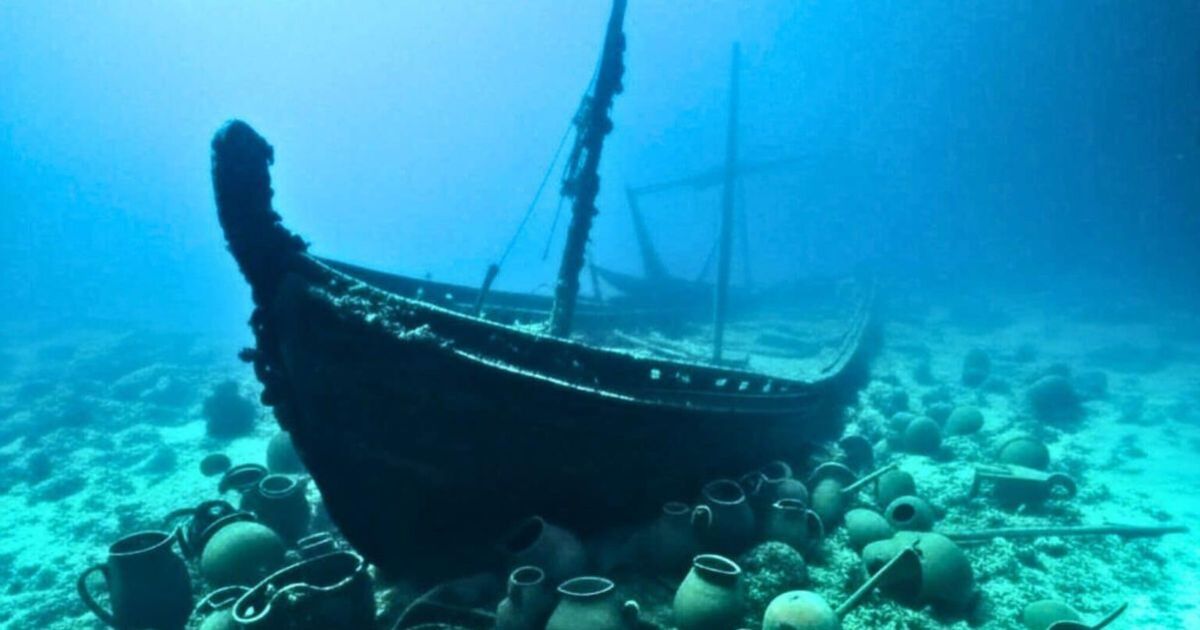
Ancient Phoenician Shipwreck Found Intact Beneath the Mediterranean Seabed
Marine archaeologists working in the Mediterranean have announced the discovery of a remarkably well-preserved ancient shipwreck believed to be linked to the Phoenicians, one of the most influential seafaring cultures of the ancient world.
The wreck was located beneath layers of sediment on the seabed near historic trade routes that once connected the eastern and western Mediterranean, including regions associated with modern-day Lebanon, where Phoenician city-states such as Tyre and Sidon once thrived.
A Rarely Intact Ancient Vessel
What makes the discovery especially significant is the condition of the ship. Early reports suggest that much of its structure remains intact, preserved by low-oxygen conditions and sediment coverage that slowed deterioration over thousands of years.
Archaeologists have identified key features consistent with ancient Phoenician shipbuilding techniques, including:
- Wooden hull sections still partially preserved
- Anchoring systems used in Mediterranean navigation
- Storage jars (amphorae) likely used for trade goods
- Bronze or iron fittings associated with maritime construction
Masters of Ancient Trade
The Phoenicians were renowned across the ancient world for their maritime expertise. Operating from coastal city-states, they established extensive trade networks that stretched across the Mediterranean, exchanging goods such as:
- Timber and textiles
- Glassware and dyed fabrics (notably Tyrian purple)
- Metals and luxury goods
- Pottery and oil containers
Their ships were central to the expansion of commerce and cultural exchange between ancient civilizations.
Why This Discovery Matters
Shipwrecks from this period are extremely rare, especially ones preserved in such a complete state. This find may help researchers better understand:
- Ancient shipbuilding techniques
- Trade routes across the Mediterranean
- Economic connections between early civilizations
- Daily life aboard merchant vessels
Each recovered artifact can provide insight into how goods and ideas moved across vast distances long before modern navigation.
How the Ship Was Preserved
Experts believe the wreck survived intact due to a combination of natural conditions:
- Rapid burial under seabed sediment
- Low oxygen levels reducing biological decay
- Stable deep-water environment
- Minimal disturbance from currents or human activity
Such conditions act like a natural time capsule, preserving organic materials that would normally decay within decades.
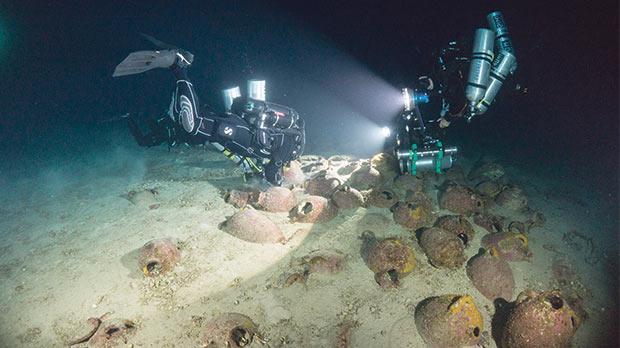
Ongoing Investigation
The site is currently under detailed archaeological study using sonar mapping, remotely operated underwater vehicles, and controlled excavation techniques. Researchers hope to recover additional artifacts without damaging the fragile structure.
A Glimpse Into the Ancient Mediterranean
If confirmed as Phoenician, the wreck represents a direct connection to one of history’s earliest global trading cultures. It offers a rare opportunity to study how ancient sailors navigated, traded, and built vessels that helped shape the interconnected world of antiquity.
For now, the ship remains resting quietly beneath the Mediterranean seabed—a preserved fragment of a civilization that once dominated the ancient seas.