Ancient Phoenician Shipwreck Found Intact Beneath the Mediterranean Seabed
Ancient Phoenician Shipwreck Found Intact Beneath the Mediterranean Seabed
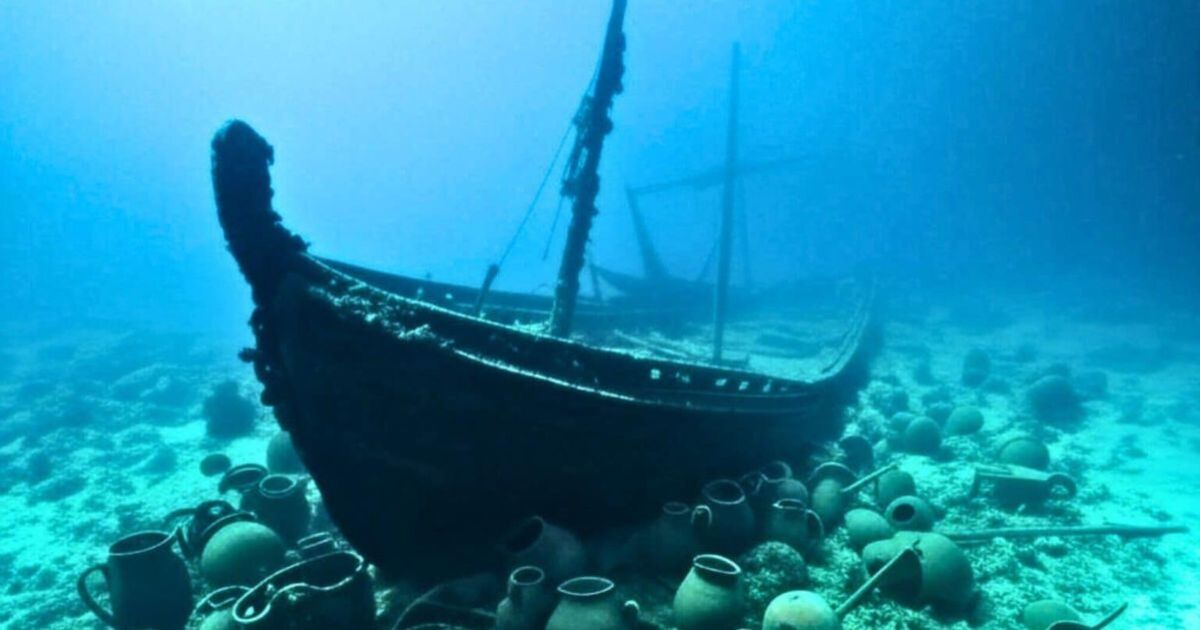
A remarkably preserved ancient shipwreck discovered beneath the Mediterranean Sea is drawing attention from maritime archaeologists, who believe it may be linked to the seafaring Phoenicians—one of the most influential trading cultures of the ancient world.
The wreck lies buried under layers of sediment in waters connected to long-established Mediterranean trade routes, likely once used by merchants traveling between coastal city-states such as those in modern-day Lebanon.
A Rarely Intact Ancient Vessel
Early assessments suggest the ship remains unusually well preserved compared to typical ancient wrecks. Sediment coverage and low-oxygen conditions on the seabed appear to have slowed decay, allowing parts of the hull and cargo to remain recognizable.
Archaeologists report finding features consistent with Phoenician maritime construction, including:
- Sections of wooden hull structure
- Anchoring equipment used for coastal navigation
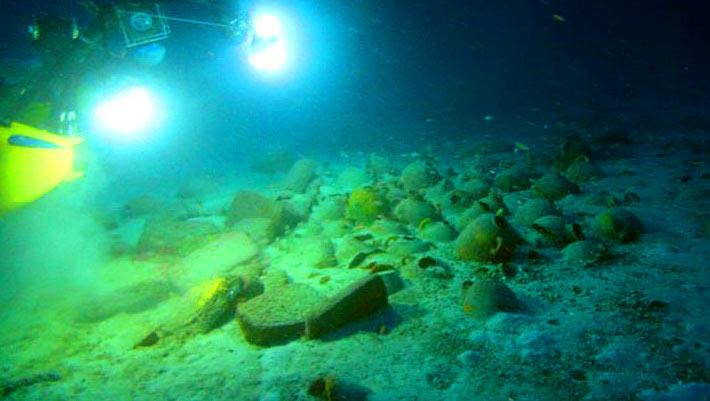
- Storage vessels likely used for trade goods
- Metal fittings associated with ancient shipbuilding
Masters of Mediterranean Trade
The Phoenicians were renowned for their advanced navigation skills and extensive trade networks across the Mediterranean. Their merchant fleets transported goods such as:
- Textiles and dyed fabrics (including the famous Tyrian purple)
- Timber and raw materials
- Glassware and crafted luxury items
- Oils, wine, and ceramics
Their maritime activity played a key role in connecting different ancient civilizations through commerce and cultural exchange.
Why the Discovery Matters
Shipwrecks from this period are extremely rare, especially ones preserved in such a complete condition. If confirmed, this find could offer valuable insight into:
- Ancient shipbuilding methods
- Cargo storage and trade organization
- Mediterranean navigation routes
- Economic connections between early coastal societies
How the Wreck Survived
Researchers believe several natural factors contributed to its preservation:
- Rapid burial under seabed sediment
- Limited oxygen reducing biological decay
- Stable underwater conditions over long periods
- Minimal disturbance from currents or human activity
These conditions effectively created a natural time capsule beneath the sea.
Ongoing Research
The site is currently under investigation using modern archaeological tools such as sonar mapping, remotely operated underwater vehicles, and careful sediment removal techniques. Scientists aim to document the structure in detail before any potential excavation.
A Window Into the Ancient Maritime World
If confirmed as Phoenician, the wreck represents a direct link to one of the earliest global trading civilizations. It provides a rare opportunity to understand how ancient merchants built ships, navigated seas, and sustained long-distance commerce.
For now, the ship remains resting beneath the Mediterranean, offering a preserved glimpse into the maritime history of the ancient world—waiting to reveal more secrets as research continues.