What Is Mount Everest’s “Death Zone” — And How Could Someone Survive There for Six Days
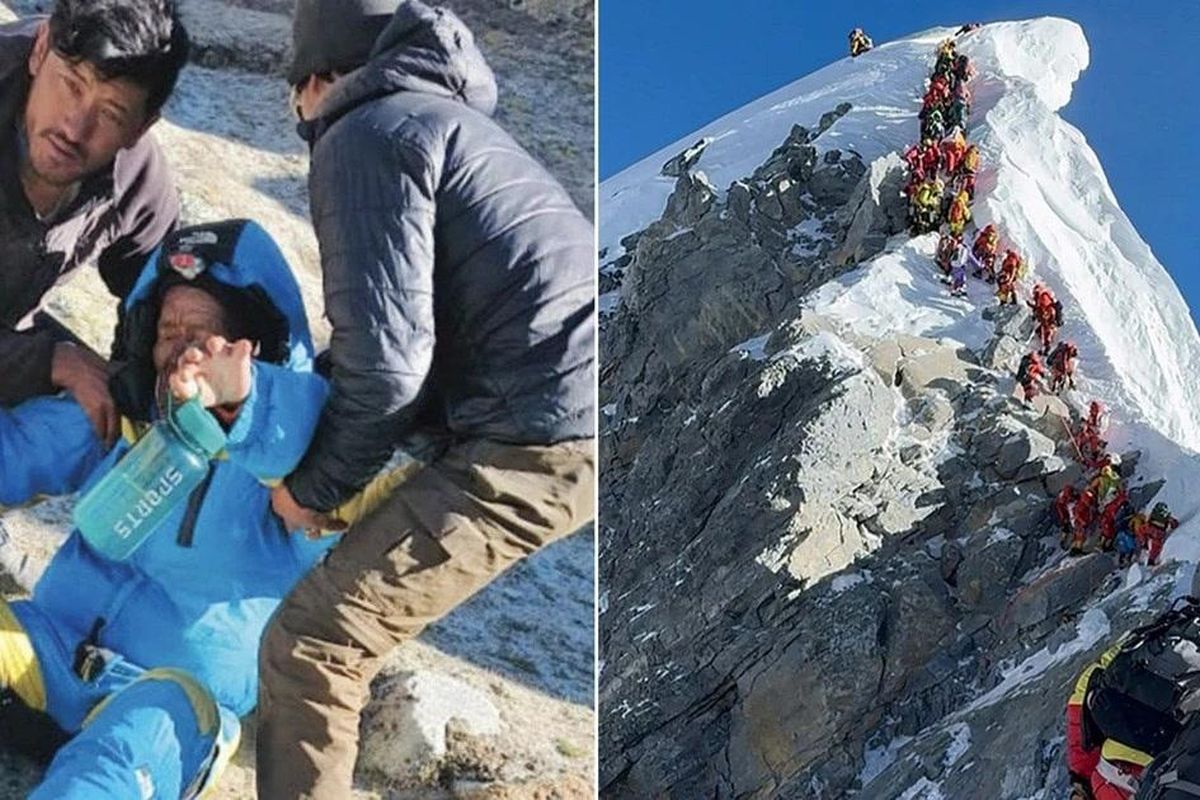
What Is Mount Everest’s “Death Zone” — And How Could Someone Survive There for Six Days?
High above the clouds on Mount Everest lies a region climbers fear more than any other: the “Death Zone.”
This zone begins at around 8,000 meters (26,247 feet), where oxygen levels are so low that the human body can no longer fully sustain itself. Even with acclimatization, prolonged exposure leads to rapid physical and mental decline.
Why It’s Called the Death Zone
At extreme altitude:
- Oxygen is only about one-third of sea level
- The body cannot properly recover or heal
- The brain and organs receive insufficient oxygen
- Fatigue builds rapidly and continuously
- Severe altitude sickness becomes likely
In simple terms, humans are surviving, not functioning, in this environment.
What Happens to the Body
Climbers in the Death Zone may experience:
- Confusion and poor decision-making
- Hallucinations or disorientation
- Extreme weakness and exhaustion
- Loss of coordination
- Risk of frostbite and hypothermia
Even highly experienced mountaineers are affected within hours.
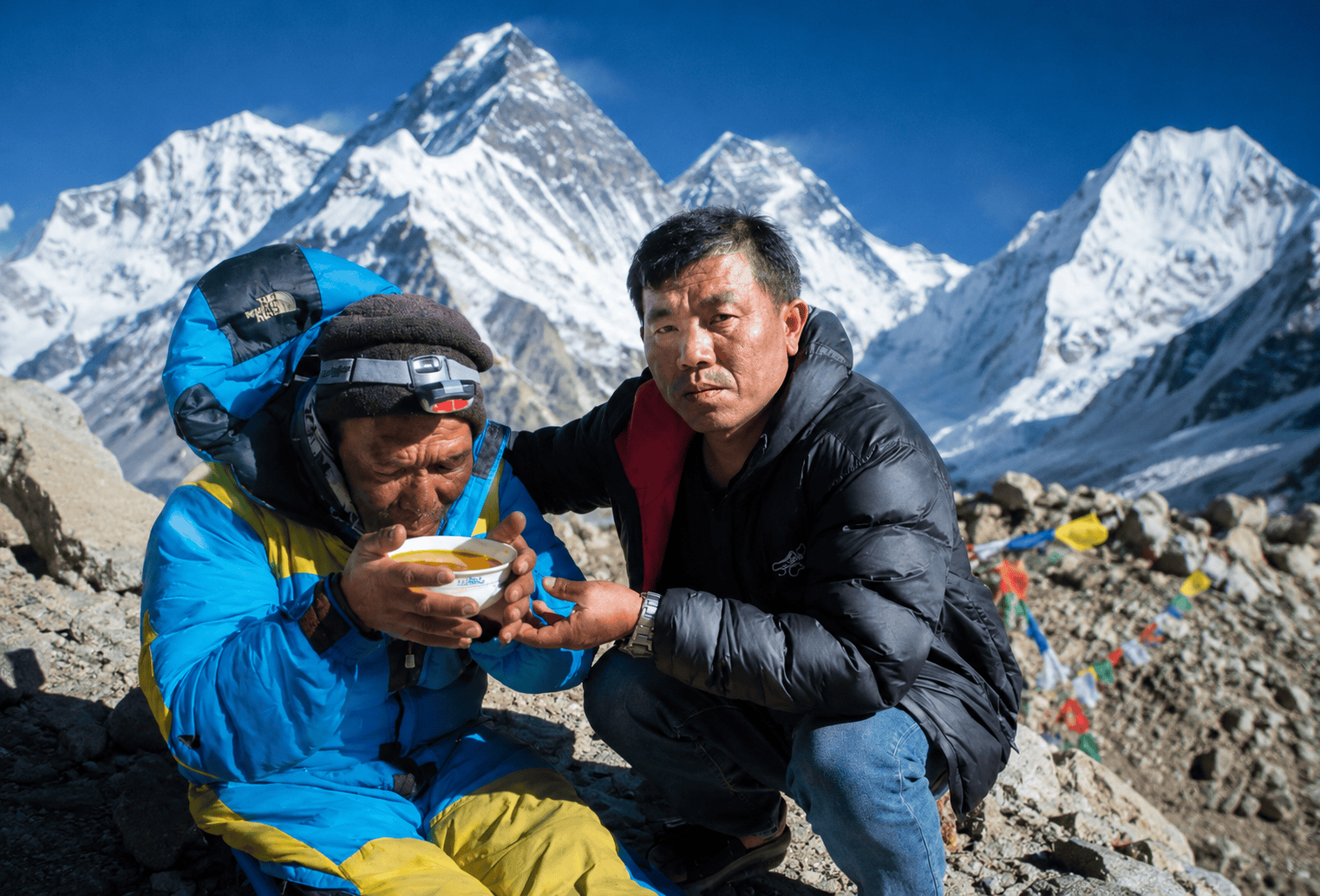
Could Someone Survive Six Days?
Surviving six days in the Death Zone is extremely rare, but not entirely impossible under exceptional circumstances. Survival depends on a combination of factors:
- Supplemental oxygen availability
- Protection from wind and extreme cold
- Shelter (tent, crevasse, or protected ledge)
- Prior acclimatization to high altitude
- Adequate hydration and minimal movement
- Exceptional physical endurance and luck
Without oxygen and shelter, survival for this long is considered highly unlikely.
The Biggest Challenge: Lack of Oxygen
The most dangerous factor is hypoxia—oxygen deprivation. At this altitude:
- Every movement consumes critical energy
- Thinking becomes slower and less reliable
- The body begins breaking down muscle for fuel
- Sleep offers little real recovery
This is why climbers typically try to spend as little time as possible above 8,000 meters.
Why Rescue Is So Difficult
Rescue operations in the Death Zone are among the hardest in the world because:
- Helicopters struggle to operate at extreme altitude
- Weather changes rapidly and unpredictably
- Terrain is steep, icy, and unstable
- Rescuers themselves are at serious risk
In many cases, climbers must rely on each other rather than formal rescue systems.
Rare Survival Stories
There are documented cases of climbers surviving multiple days in extreme altitude conditions after being stranded due to storms, exhaustion, or injury. These survivors often suffer severe frostbite or long-term health damage but manage to endure through a combination of shelter, willpower, and timing.
A Place Where Limits Are Redefined
The Death Zone remains one of the most unforgiving environments on Earth. Every expedition into this region involves a delicate balance between ambition and survival.
While survival for six days is possible in rare circumstances, it sits at the extreme edge of human endurance—where every breath is a struggle, and every decision can determine life or death.