Life Transformed: The World’s First Face Transplant Recipient Reflects Three Years Later
Life Transformed: The World’s First Face Transplant Recipient Reflects Three Years Later
Three years after undergoing a groundbreaking medical procedure, the world’s first face transplant recipient is reflecting on a journey that has reshaped both her identity and her understanding of survival.
The historic surgery marked a turning point in reconstructive medicine, offering hope to patients with severe facial injuries or disfigurement and demonstrating how far transplant science has advanced.
A Life Before and After the Surgery
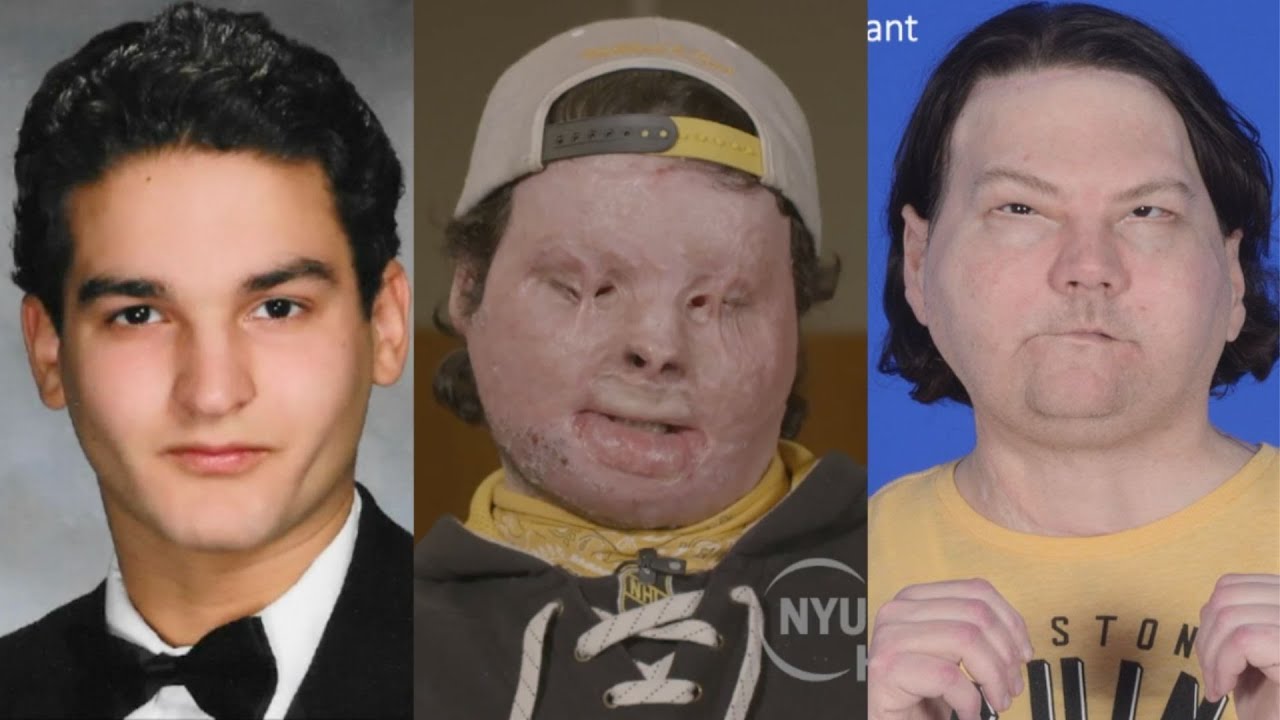
Before the operation, the patient lived with severe facial trauma that affected basic functions such as speaking, eating, and breathing, as well as daily social interaction.
Following the transplant, she gradually regained essential abilities and began adapting to a new appearance made possible through donor tissue and complex surgical reconstruction.
She describes life after the procedure as both challenging and transformative, requiring years of physical rehabilitation and emotional adjustment.
The Complexity of Face Transplant Surgery
Medical experts emphasize that face transplantation is among the most complex procedures in modern surgery. It requires coordinated teams of specialists working for many hours in the operating room.
The procedure involves:
- Connecting blood vessels under a microscope
- Reattaching nerves for sensation and movement
- Rebuilding muscle and soft tissue structure
- Long-term immunosuppressive medication
- Extensive rehabilitation and therapy
Even after successful surgery, recovery continues for years.
Emotional and Psychological Recovery
Beyond physical healing, recipients often face significant emotional adjustment. Adapting to a new appearance can affect identity, self-image, and social confidence.
Support teams typically include:
- Psychologists
- Rehabilitation specialists
- Speech and occupational therapists
- Family support networks
Over time, many patients report gradually rebuilding confidence and returning to daily life.
A Milestone in Medical History
The first successful face transplant represented a major milestone in reconstructive medicine. It opened new possibilities for patients with severe injuries caused by accidents, illness, or trauma.
However, doctors stress that the procedure remains rare and highly complex, reserved only for the most severe cases.
Living With a New Identity
Three years after the surgery, the recipient continues to adapt to life with her transplanted face, balancing gratitude for the medical breakthrough with the ongoing realities of lifelong medical care.
She says the experience has changed how she views resilience, identity, and the meaning of recovery.
A Story of Science and Humanity
The journey stands as both a medical achievement and a deeply human story. It highlights not only the progress of surgical science, but also the emotional strength required to rebuild a life after profound physical trauma.
As research continues, face transplantation remains one of the most remarkable examples of modern medicine’s ability to transform lives once thought beyond repair.