Maria Eduarda’s Death Raises Bigger Questions About Extreme-Sport Operations
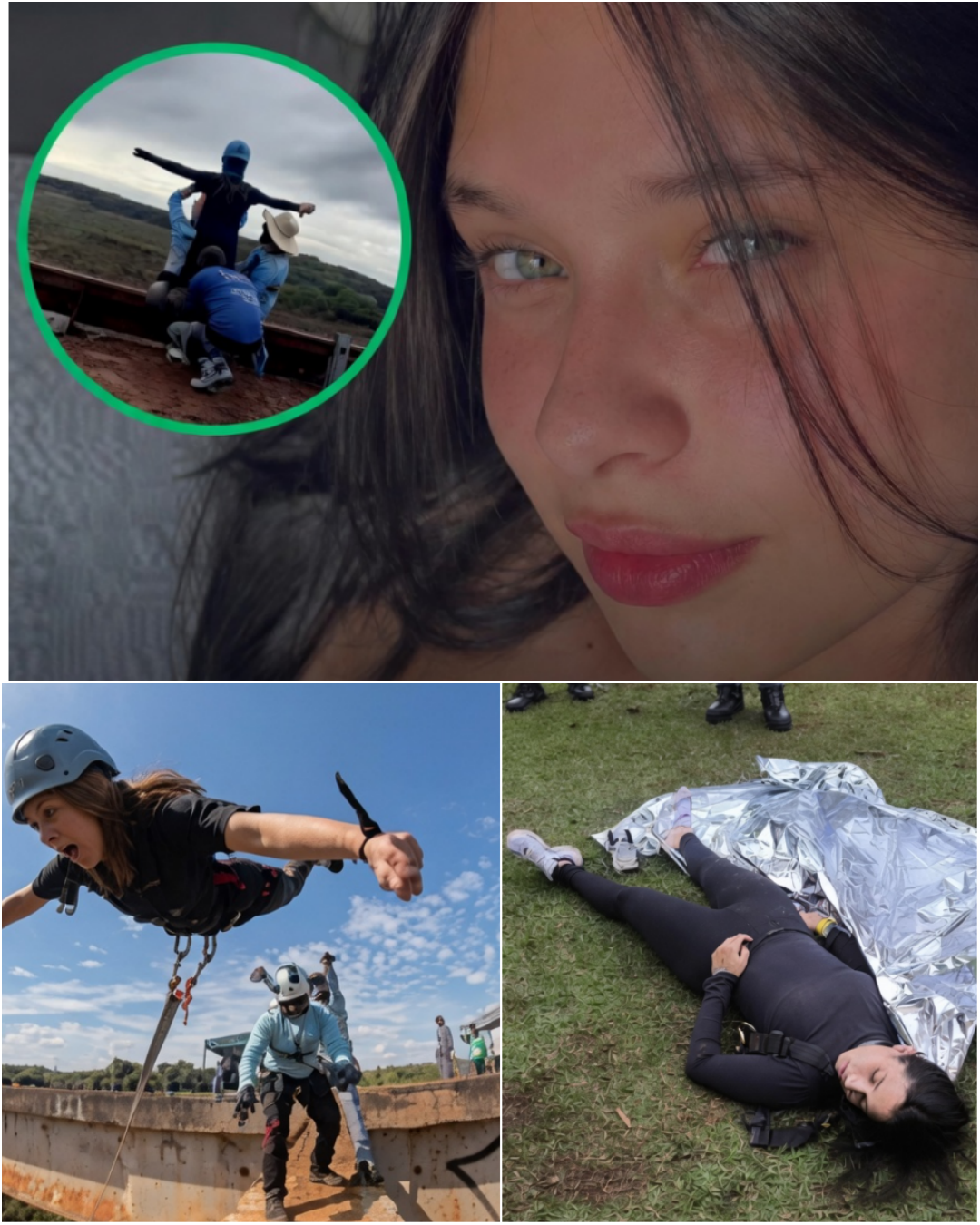
The death of Maria Eduarda Rodrigues de Freitas has become a national warning in Brazil about the risks of poorly managed extreme-sport activities.
Maria was 21 when she took part in a rope-jump experience at Ponte do Esqueleto in Limeira, São Paulo. Investigators say she was launched from the bridge without being connected to the safety rope.
The case has shocked many people because the failure appears to involve one of the most basic and essential safety steps in the activity.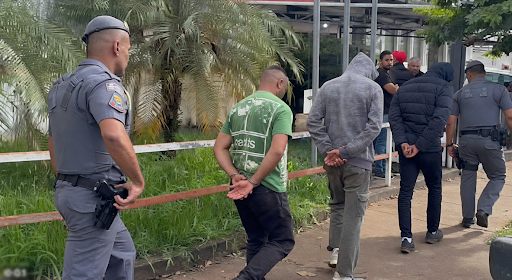
As the investigation continues, authorities are examining not only the actions of the instructors, but also the organization behind the operation. Reports have raised questions about whether the group had proper authorization to run paid rope-jump events at the location.
This has led to a wider debate about how extreme sports should be regulated and monitored. Activities like rope jumping depend on trust. Participants rely completely on instructors, equipment, and safety systems.
When that trust breaks, the result can be irreversible.
Police have arrested multiple people connected to the case, including the original instructors and additional suspects reportedly linked to possible evidence concealment. Investigators are also searching for a missing camera that may have recorded the moments before Maria was launched.
Maria’s story is now being shared far beyond Brazil. It has become a reminder that safety rules are not optional and that every operator must be held accountable when lives are placed in their hands.
Her family is still waiting for full answers.