Louis Reported Earlier Violence Before Narbonne Tragedy, Prosecutor Confirms
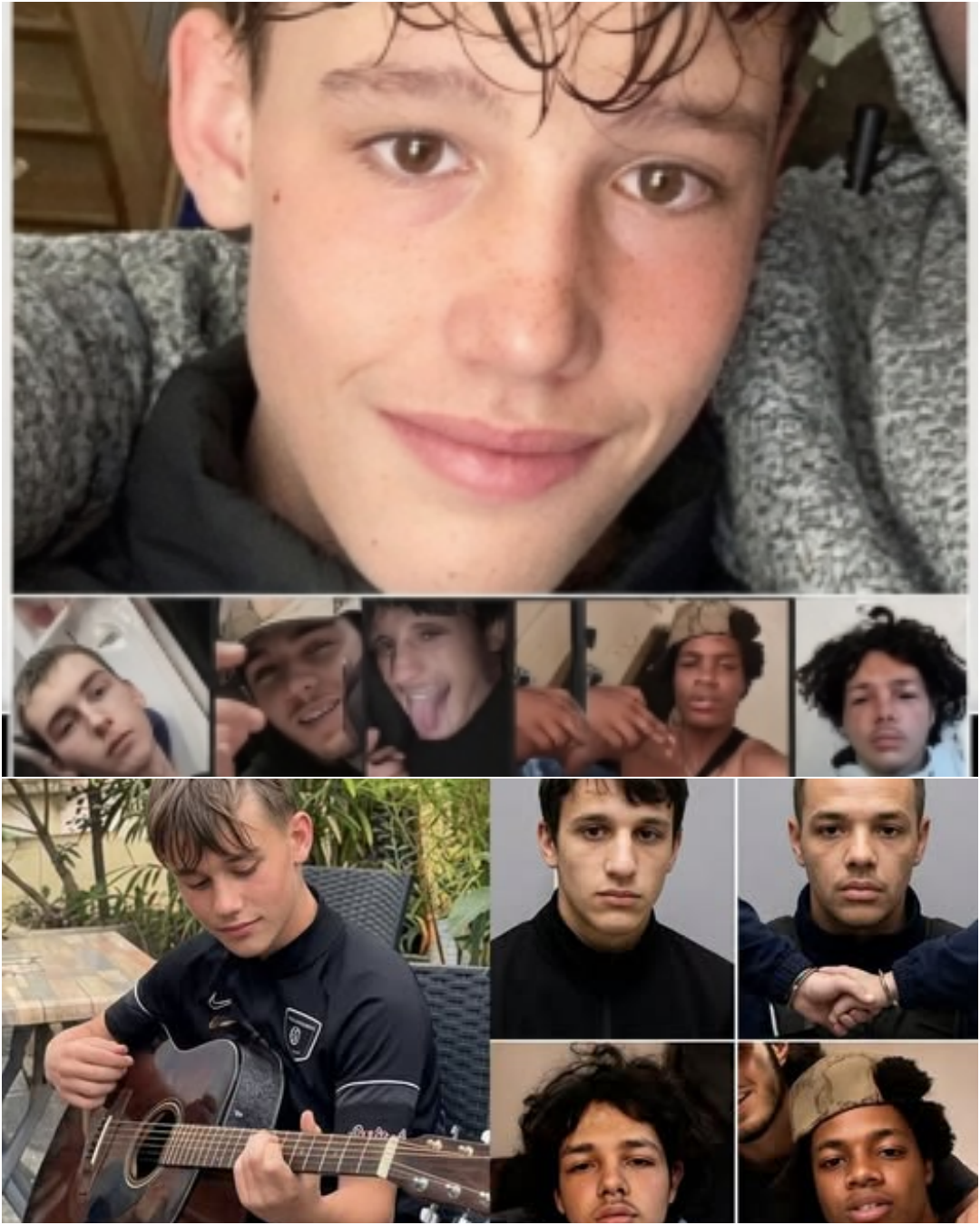
Topic sentence: Police records show that Louis had approached authorities about separate incidents before his fatal encounter, raising difficult questions about how vulnerable teenagers are protected.
In the weeks before 17-year-old Louis was found critically injured at a Narbonne construction site, he had already contacted law enforcement about violence involving other young people.
The earlier reports have become an important part of the public discussion surrounding the case. However, the prosecutor has emphasized that the incidents must be described accurately and should not automatically be connected to the five suspects currently under investigation.
According to Narbonne prosecutor Jean-Philippe Rey, Louis filed a formal complaint with police on May 11, 2026. That complaint concerned other young people who had no known connection to the five individuals later arrested in the fatal case.
A second incident occurred on June 12, one week before the alleged ambush.
Louis went to a gendarmerie station in Monestiés, in France’s Tarn department, and reported that he had experienced group violence several hours earlier. Officers encouraged him to make a formal complaint, but the process was not completed.
These details have led many people to ask whether more could have been done. Yet the available information does not establish that authorities knew Louis faced an immediate threat from the five suspects.
Louis was receiving child-welfare support
At the time of the incident, Louis was being supported through France’s Aide sociale à l’enfance, commonly known as the ASE.
The prosecutor said Louis was under a provisional care arrangement agreed between the child-welfare service and his parents. Three of the five suspects were also known to child-welfare services, but none was reportedly placed in the same facility that was accommodating Louis.
Louis’s father said the family had been seeking a more suitable support structure for approximately six months. Family accounts described Louis as living with significant attention-deficit hyperactivity disorder and needing specialized assistance as he approached adulthood.
These circumstances have widened the discussion beyond the criminal investigation itself.
Professionals and families have long raised concerns about staffing, resources, continuity of care and the difficulty of finding specialized placements for teenagers with complex needs. The Louis case has placed those concerns under renewed public scrutiny.
A distinction investigators must preserve
It is essential to separate confirmed facts from assumptions.
Louis’s May complaint involved people the prosecutor said were unrelated to the current suspects. The precise identities of those involved in the June 12 incident have not been fully established in public reporting.
Therefore, it would be inaccurate to claim that Louis formally warned police about all five suspects before the fatal incident.
What can be confirmed is that Louis had recently reported feeling unsafe after separate episodes of violence.
Investigators are likely to examine whether there were connections between the earlier events and the meeting on June 19. They may also review communications between Louis and people he knew through social services, youth facilities or his wider social circle.
A system under pressure
The case has prompted painful questions for the organizations responsible for supporting vulnerable minors.
Did Louis’s previous reports indicate a pattern of escalating danger? Was information shared effectively among police, caregivers and social workers? Was a suitable placement available for his specific needs?
Those questions cannot be answered solely through public commentary. They require a detailed review of records, decisions and the information available to professionals at the time.
The primary criminal responsibility will be determined through the judicial investigation. Separate administrative reviews may be necessary to establish whether institutional procedures were followed and whether future safeguards should be strengthened.
For now, the confirmed timeline shows a teenager who had asked for help before becoming the victim of a devastating incident. Understanding what happened during those final weeks may become essential both to the criminal case and to efforts to protect other vulnerable young people.
Sources: RTL, La Dépêche du Midi and Le Parisien.