Dominique Moceanu Tried to Warn USA Gymnastics Years Before Anyone Would Listen
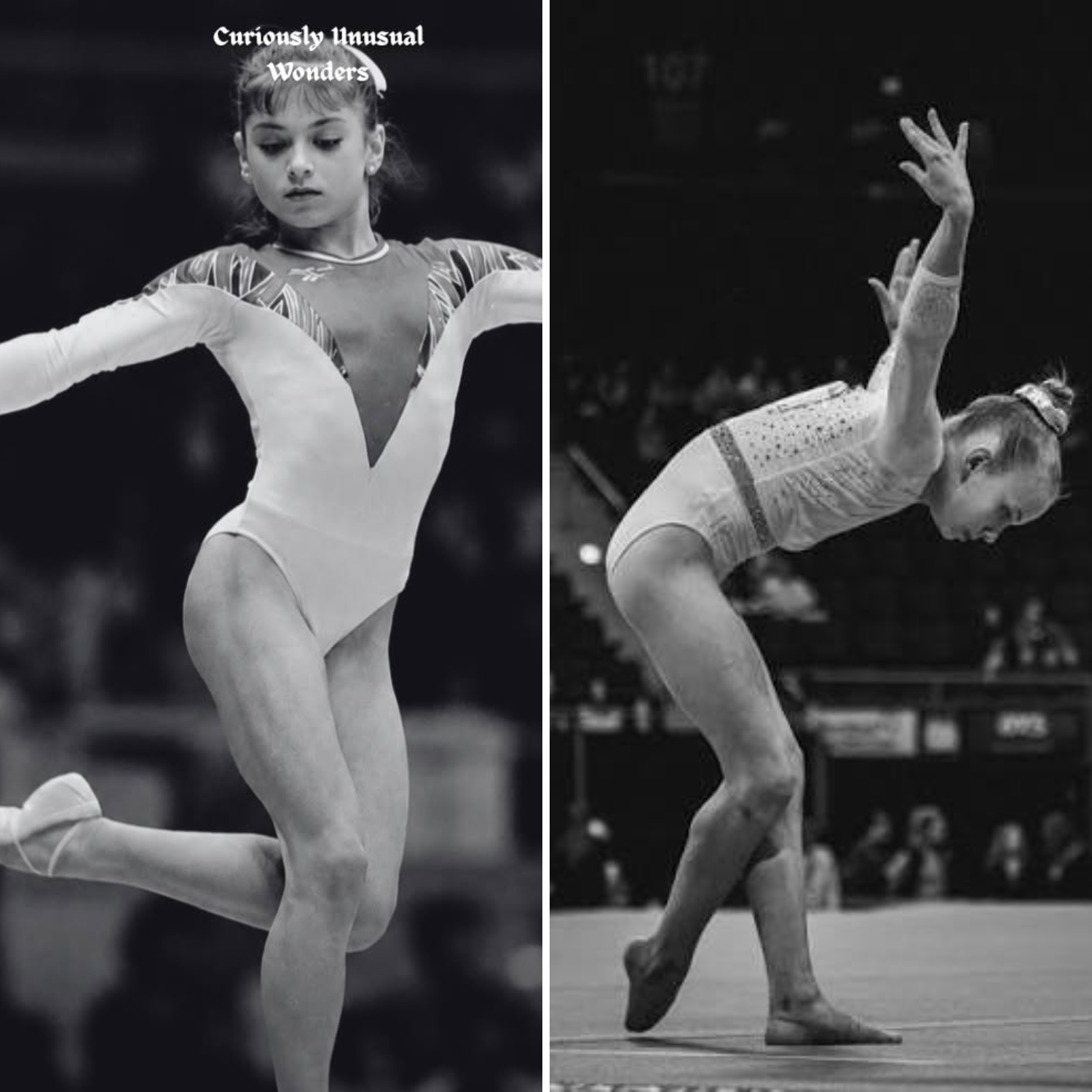
In 1996, America celebrated one of the most unforgettable moments in Olympic history.
The “Magnificent Seven” captured the nation’s heart by winning the first-ever Olympic gold medal in women’s team gymnastics. Among them was Dominique Moceanu, just 14 years old, smiling brightly as she helped make history.
To millions of viewers, she represented talent, determination, and the American dream.
But behind the gold medal was a story far more complicated—one that the world wouldn’t fully understand until decades later.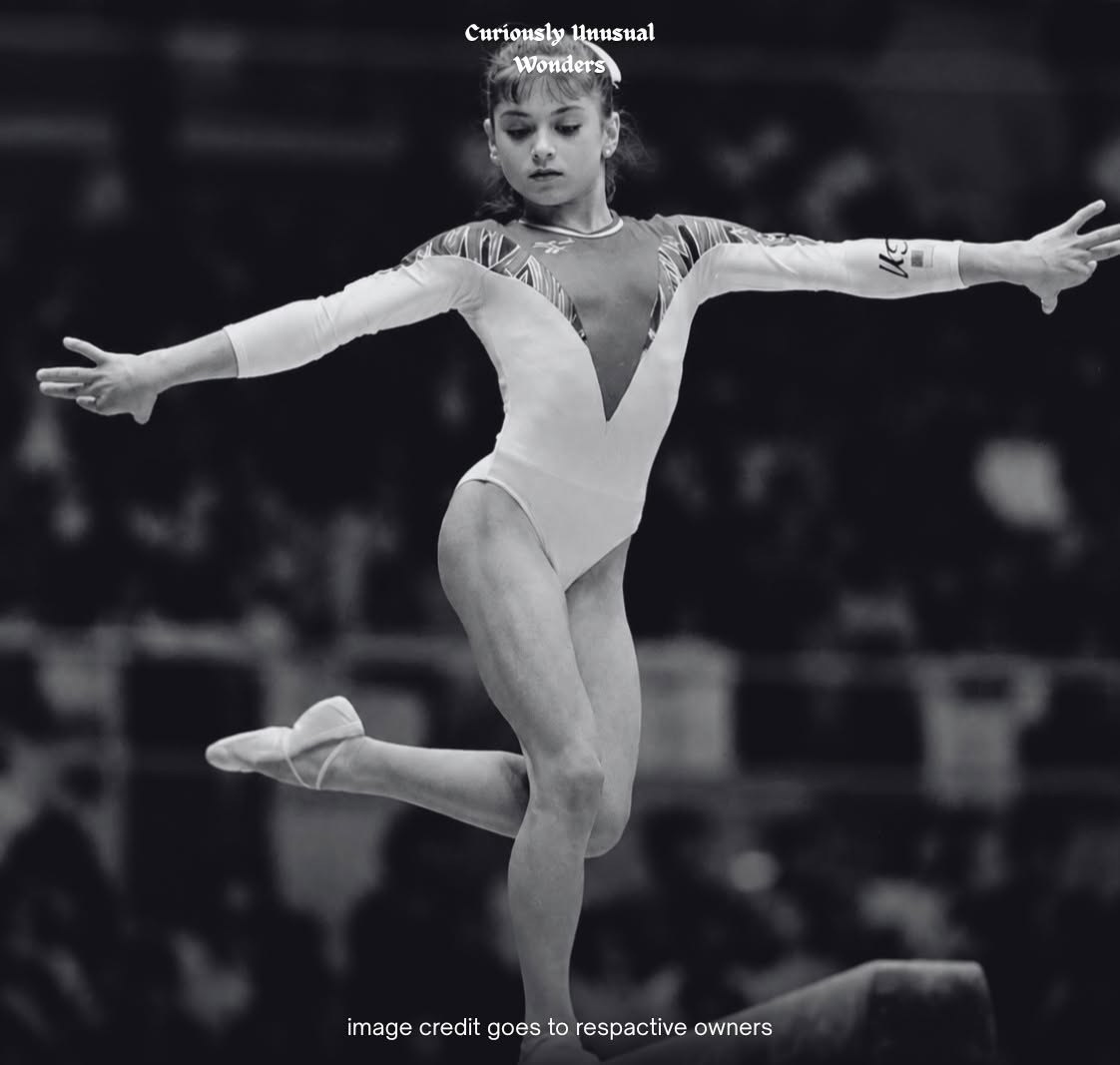
The Price of Becoming a Champion
Dominique Moceanu was considered a gymnastics prodigy long before the Atlanta Olympics.
She broke national records as a child, became one of the country’s brightest young stars, and carried enormous expectations on her shoulders before most teenagers had even entered high school.
The road to Olympic glory demanded endless hours of training, painful injuries, emotional pressure, and an environment where perfection wasn’t encouraged—it was expected.
Fans saw flawless routines.
They never saw the fear of making mistakes, the relentless pressure to perform, or the culture that many young gymnasts quietly endured behind closed doors.
Speaking Out Before It Was Safe
After retiring from elite gymnastics, Moceanu began sharing what life inside the sport had really been like.
She spoke openly about a system built on intimidation, emotional control, and a culture that often discouraged young athletes from questioning authority. She warned that unless meaningful changes were made, more serious problems would eventually come to light.
At the time, very few people wanted to hear her message.
Many dismissed her concerns as bitterness from a retired athlete. Others argued that demanding coaching methods were simply part of producing Olympic champions.
Instead of sparking change, her warnings were largely ignored.
Years Later, the Truth Could No Longer Be Hidden
Everything changed when the Larry Nassar abuse scandal shook the world.
Hundreds of gymnasts came forward with heartbreaking stories of abuse, manipulation, and years of silence. As survivor after survivor shared nearly identical experiences, many people remembered that Dominique Moceanu had been raising concerns long before the scandal became international news.
Her warnings had never been about one individual.
They were about an entire culture that left young athletes feeling powerless and afraid to speak.
Suddenly, the questions she had asked years earlier no longer seemed controversial—they seemed painfully accurate.
A Different Kind of Legacy
Today, Dominique Moceanu is remembered for far more than the Olympic gold medal she won as a teenager.
She has become an advocate for athlete safety, speaking publicly about the importance of protecting children in competitive sports. Through interviews, public appearances, and her memoir, she has encouraged sports organizations to place athletes’ well-being above medals, rankings, or public image.
Her message is simple but powerful:
Winning should never come at the expense of a child’s safety, dignity, or voice.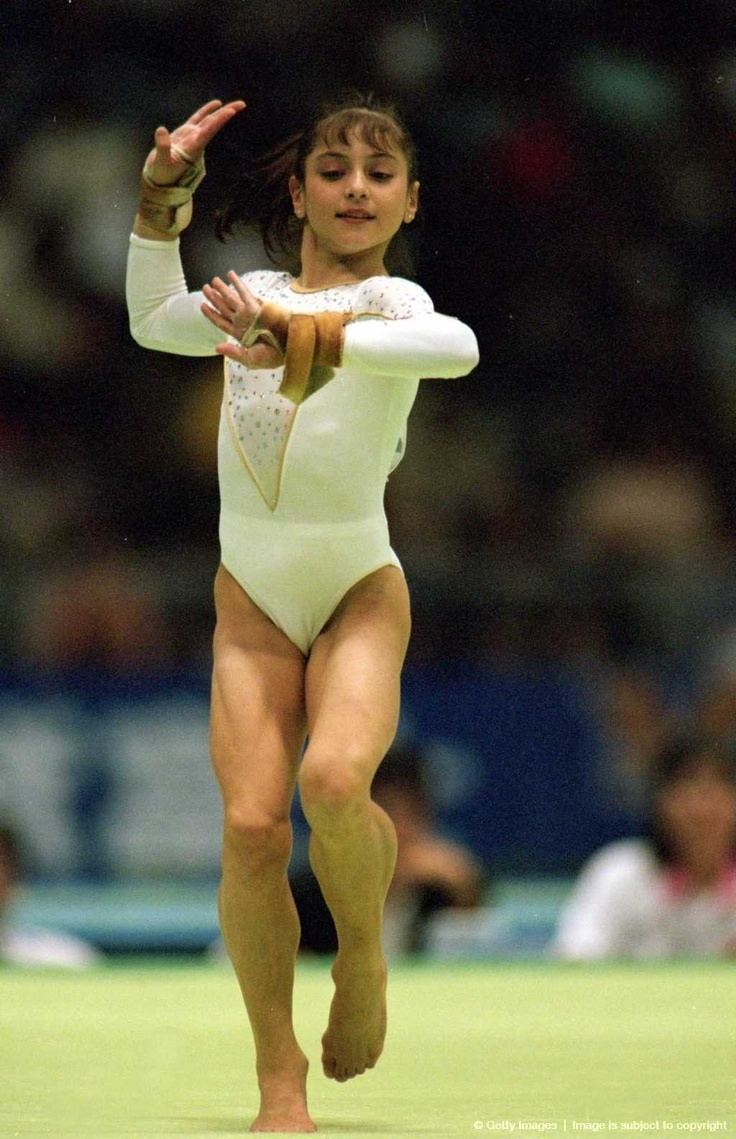
More Than a Gymnastics Story
Dominique Moceanu’s journey reaches far beyond the world of sports.
It is a reminder that the first person to speak the truth is often the one who faces the most resistance. They may be criticized, doubted, or ignored—not because they are wrong, but because the truth is uncomfortable.
History has shown this time and again.
Sometimes, the loudest applause comes years after the hardest conversations begin.
Looking back, Dominique’s Olympic performance remains unforgettable. But perhaps her greatest achievement wasn’t standing on the podium in Atlanta.
Perhaps it was finding the courage to speak up long before the world was finally ready to listen.
Today, her legacy is measured not only in gold medals but in the lasting impact she has had on making sports safer for future generations. That may be the victory that matters most.