Rejected Again and Again—Until She Changed Medicine Forever: The Unlikely Journey of Gertrude B. Elion
- PhamThuy
- July 29, 2026
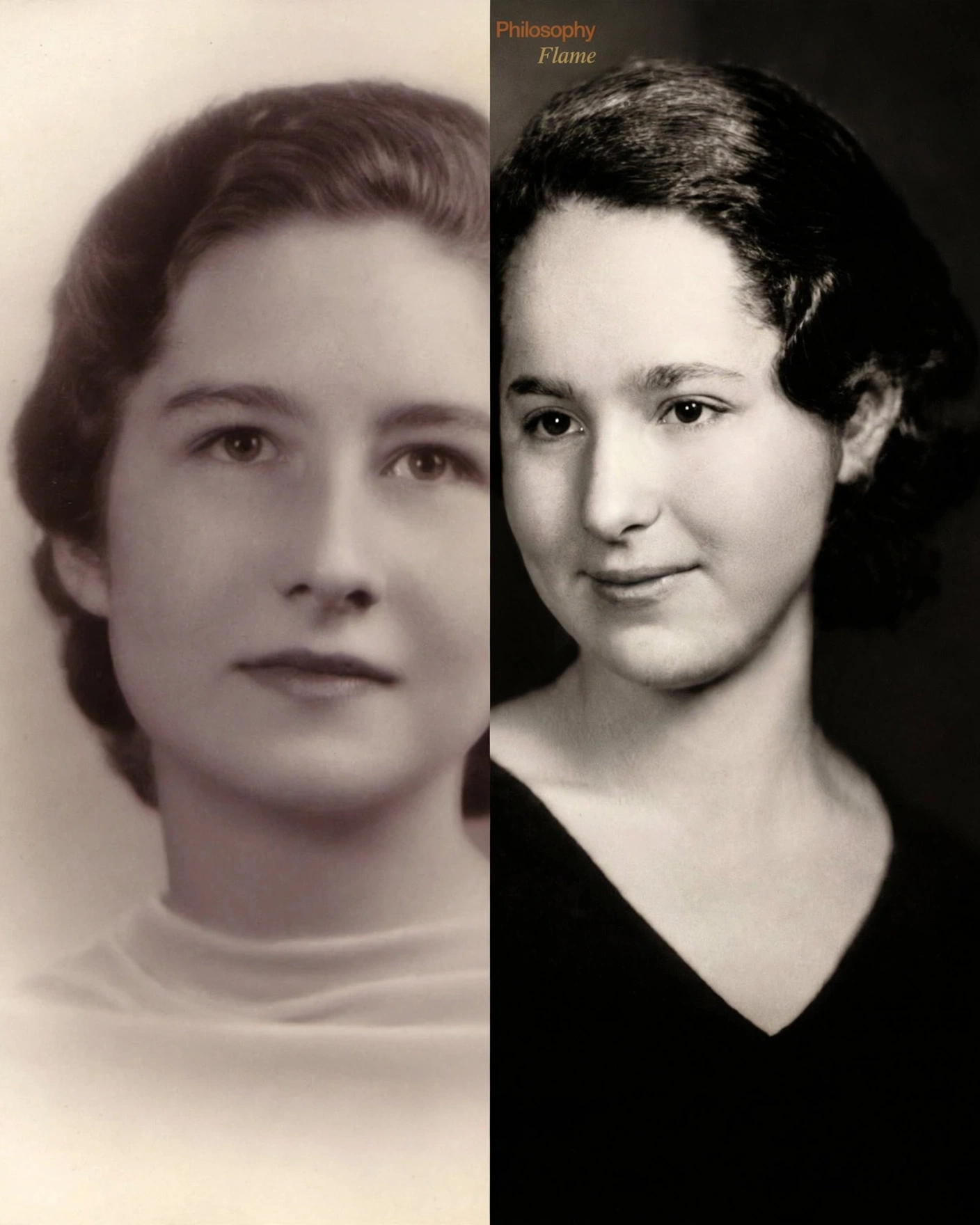
The letters all said the same thing.
Polite, formal, and final.
Application after application was turned away. Fifteen universities, one after another, closed their doors. For a young woman with a passion for science, the message was clear: there was no place for her here.
But what those letters failed to see was what the world would one day recognize.
Gertrude B. Elion was not someone who would stop.
Her journey began with loss.
As a young girl, she experienced the death of someone close to her, a moment that left a deep impression. It was not just grief—it was a question that lingered long after the moment had passed.
Why couldn’t medicine do more?
That question stayed with her.
It became the foundation of her ambition, shaping a path that would lead her into the world of science. She pursued her studies with determination, earning a degree in chemistry at a time when few women were encouraged to enter the field.
But education was only the first hurdle.
When she tried to continue her studies, the rejections came.
Graduate programs turned her away, not because of her ability, but because of who she was—a woman in a field that was not yet ready to accept her. Each rejection could have been an ending.
Instead, they became a beginning.
Unable to follow the traditional academic path, Elion took a different route. She worked where she could, taking on roles that allowed her to stay connected to science. The positions were not always ideal, and the path was far from straightforward.
But she kept going.
Eventually, she found an opportunity that would change everything.
She joined a research team led by George Hitchings, a scientist who saw potential where others had not. Unlike many institutions at the time, this environment valued curiosity and creativity over formal credentials.
For Elion, it was a chance to prove herself.
And she did.
Together, they began exploring a new approach to drug development—one that focused on understanding how diseases function at a molecular level. Instead of relying on trial and error, they aimed to design treatments that could target specific processes within the body.
It was a shift in thinking.
And it opened new possibilities.
Over the years, Elion contributed to the development of multiple groundbreaking medications. These were not small advancements—they were treatments that would go on to save millions of lives.
Her work helped lead to therapies for leukemia, giving hope to patients who once had few options. She also played a role in the development of drugs that made organ transplants more successful, allowing the body to accept what was once rejected.
Each breakthrough built on the last.
Each discovery expanded what medicine could do.
What made her work so remarkable was not just the results, but the approach behind them. She believed in understanding the problem deeply before trying to solve it. That philosophy shaped every step of her research.
And it worked.
Despite never completing a traditional doctoral degree, Elion’s contributions earned her recognition at the highest level. She would go on to receive the Nobel Prize in Physiology or Medicine, an achievement that placed her among the most respected scientists in the world.
It was a moment of validation.
Not just for her, but for the idea that talent and determination can exist outside conventional paths.
Her story did not end there.
Even after achieving global recognition, she continued her work, mentoring younger scientists and contributing to ongoing research. She remained committed to the field that had once tried to exclude her.
And in doing so, she helped shape its future.
Looking back, the rejections that once seemed so final now appear almost insignificant.
Fifteen universities said no.
But one opportunity said yes.
And that was enough.
Elion’s life is a reminder that success does not always follow a straight line. Sometimes, the path forward is built through persistence—through the willingness to continue even when the doors remain closed.
Her work changed medicine.
But her story changed something else as well.
It challenged assumptions about who belongs in science, about what defines qualification, and about how innovation truly happens.
In the end, the woman who was once turned away from classrooms became someone whose work would be studied in them.
A scientist who never followed the expected path—yet helped create a new one for others to follow.
And perhaps most importantly, someone who proved that rejection does not define a person’s future.
What they do next does.