A Dream Warned Mark Ruffalo About a Brain Tumor—Then Recovery and Tragedy Tested Him All Over Again
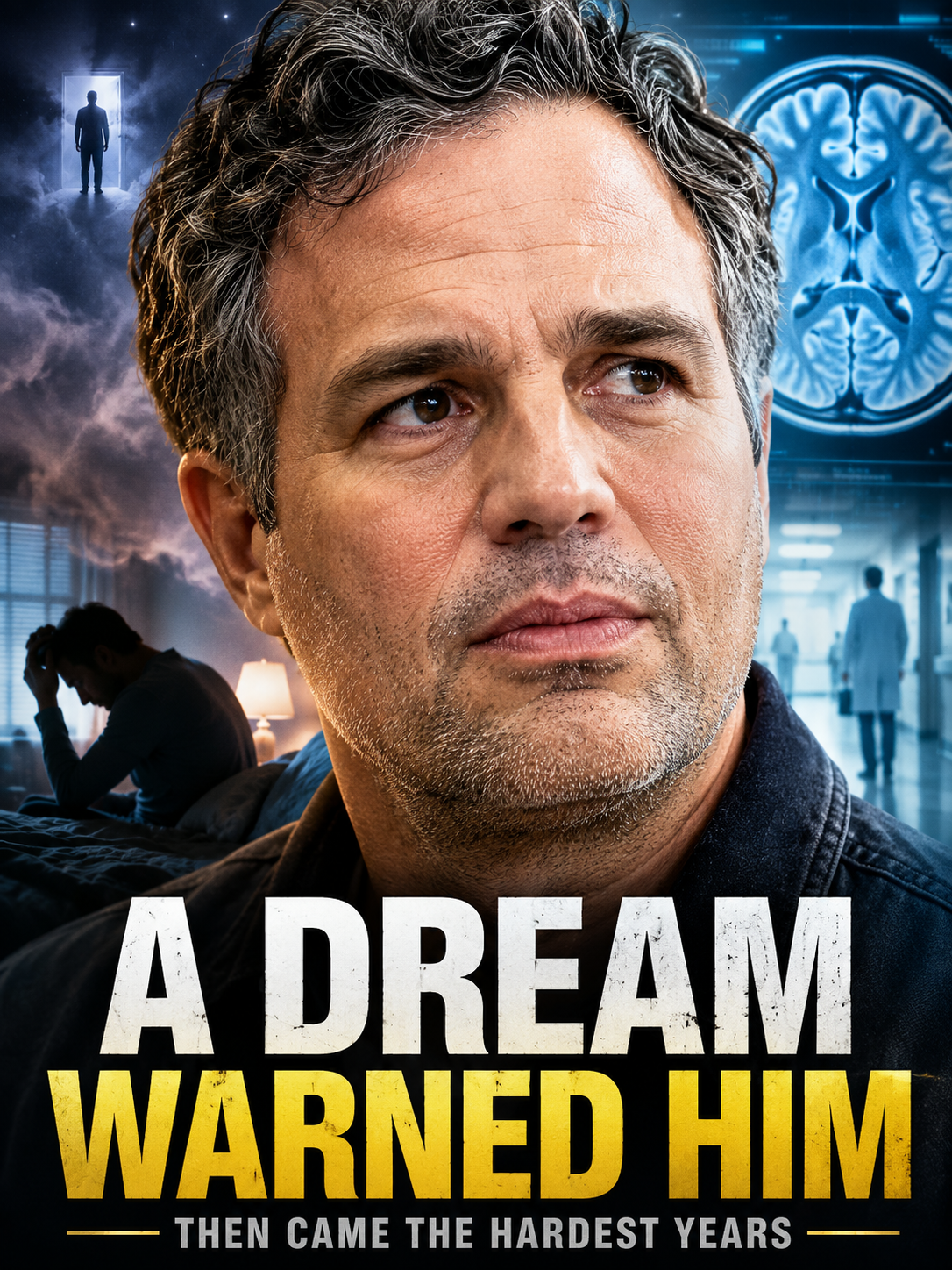
Mark Ruffalo was finally watching the life he had struggled to build begin to change.
After years of rejection and hundreds of unsuccessful auditions, his performance in the 2000 drama You Can Count on Me had brought him the kind of attention he had spent more than a decade chasing. He was working on a major studio film, his wife was expecting their first child, and Hollywood was beginning to recognize the quiet emotional power he could bring to the screen.
Then, one night in 2001, Ruffalo woke from an unusually vivid dream with a terrifying certainty: he had a brain tumor.
He had no clear symptoms suggesting such a diagnosis. There was no medical evidence yet—only a feeling so powerful that he could not dismiss it.
Ruffalo told a doctor working on the set of The Last Castle. A scan was arranged, and the impossible fear from his dream became real. Doctors found a mass behind his left ear, roughly the size of a golf ball.
The tumor was benign, but removing it would place his face, hearing, career, and possibly his life at risk. What followed was not a single dramatic escape from danger. It was the beginning of years marked by physical recovery, professional uncertainty, and a family tragedy that would leave questions no success could answer.
Years of Rejection Before the Breakthrough
Born in Wisconsin in 1967, Ruffalo moved frequently with his family before eventually settling in Southern California. He struggled with undiagnosed dyslexia and attention-deficit disorder as a child, experiences that contributed to his feeling out of place in traditional classrooms.
Acting gave him another way to communicate.
After studying at the Stella Adler Conservatory in Los Angeles, Ruffalo co-founded the Orpheus Theatre Company. He acted, wrote, directed, and supported himself through jobs including bartending while trying to enter the film industry.
Progress came slowly.
Ruffalo has said he went through hundreds of auditions before finding meaningful recognition. He appeared in small television and movie roles, but repeatedly watched more established or conventionally marketable actors receive the opportunities he wanted.
At several points, he considered leaving acting behind.
A major turning point came through playwright and filmmaker Kenneth Lonergan, who cast Ruffalo in the 1996 stage production This Is Our Youth. Lonergan later gave him the role of Terry Prescott in You Can Count on Me, opposite Laura Linney.
Ruffalo played Terry as unreliable but deeply human—a drifting man returning to the small town where his sister has built a more stable life. The performance avoided easy sentimentality. Terry could be selfish and careless, yet Ruffalo revealed the wounded loyalty beneath his failures.
The film became a critical success, and Ruffalo’s career finally began moving forward. After more than 600 auditions, he was no longer simply another struggling actor waiting for permission to continue.
The Dream He Could Not Ignore
Ruffalo was 33 and filming The Last Castle when the dream occurred.
He later described it not as a normal nightmare, but as an overwhelming awareness that something was wrong inside his head. He woke believing that he had a tumor and needed immediate medical attention.
The certainty was especially strange because he felt largely healthy. Apart from an ear infection, he did not recall the headaches, nausea, or vision problems commonly associated with brain tumors.
Nevertheless, the on-set doctor took his concern seriously.
A CAT scan revealed the mass behind his left ear. It was identified as an acoustic neuroma, also known as a vestibular schwannoma—a generally noncancerous tumor that develops on the nerve involved in hearing and balance.
The diagnosis arrived while Ruffalo’s wife, actress Sunrise Coigney, was preparing to give birth to their son, Keen.
Ruffalo initially kept the news from her. He did not want the fear surrounding his surgery to overshadow the final days of her pregnancy or the birth of their child.
Inside, however, he was confronting the possibility that his son might enter the world just as he was leaving it.
Doctors explained that surgery carried serious risks. The tumor’s location meant the procedure could damage the facial nerve or destroy hearing in his left ear. Ruffalo later recalled accepting the possibility of deafness as long as he could retain movement in his face and remain alive for his family.
His son was born, and soon afterward Ruffalo underwent surgery.
The tumor was successfully removed.
But when he woke, the left side of his face was paralyzed.
Learning to Move His Face Again
For an actor, facial paralysis carried a particularly cruel uncertainty.
Ruffalo’s profession depended on subtle expression—the movement of an eye, a restrained smile, or the tension held in his jaw. After surgery, he could not fully control one side of his face. He also lost hearing permanently in his left ear.
The paralysis lasted for months.
He withdrew from work and kept his condition largely private. He had been expected to appear in M. Night Shyamalan’s Signs, but the role ultimately went to Joaquin Phoenix as Ruffalo focused on recovery.
During this period, he feared that the career he had waited so long to begin might already be over.
Slowly, movement returned.
Ruffalo has described noticing the first small improvement in his face and taking it as a sign that recovery remained possible. Through patience and rehabilitation, most of the paralysis eventually disappeared, though the deafness in his left ear remained permanent.
He returned to acting with a changed understanding of success. The experience had arrived at precisely the moment Hollywood began opening its doors to him, teaching him how quickly professional momentum could become meaningless.
His career nevertheless regained strength.
He appeared in films including Eternal Sunshine of the Spotless Mind, 13 Going on 30, Collateral, and Zodiac. Ruffalo became known for characters whose calm exteriors concealed grief, anger, longing, or moral conflict.
Then another tragedy struck—one no surgery could repair.
The Call About His Brother
In December 2008, Ruffalo’s younger brother, Scott, was found with a gunshot wound to the head in Beverly Hills.
Scott was a successful hairstylist and a central figure in Mark’s life. The brothers had moved to Los Angeles together when they were young, pursuing different careers while remaining closely connected.
Mark was preparing his directorial debut, Sympathy for Delicious, when his father called with the news that an unidentified man in a hospital might be Scott.
Scott remained on life support before dying approximately a week later. He was 39.
The circumstances surrounding the shooting generated conflicting accounts and unanswered questions. Although people were questioned during the investigation, no one was ultimately convicted in connection with his death.
Ruffalo described the loss as violent, senseless, and difficult to place within any understandable order. Unlike the tumor, there was no diagnosis to explain what had happened and no procedure that could restore what had been taken.
His brother’s death affected both his personal life and his work. Ruffalo temporarily moved his family away from Los Angeles, seeking distance from the environment associated with the tragedy.
He later reflected that grief could make a person cynical and emotionally closed. His challenge was to endure the loss without allowing it to destroy his ability to remain compassionate.
That openness became one of the defining qualities of his performances.
Turning Pain Into Emotional Truth
Ruffalo’s career continued expanding through increasingly demanding roles.
He received his first Academy Award nomination for playing sperm donor Paul Hatfield in The Kids Are All Right. Further nominations followed for his performances in Foxcatcher, Spotlight, and Poor Things.
In Foxcatcher, he portrayed Olympic wrestler Dave Schultz, a warm and stabilizing presence inside a deeply unsettling true-crime story. In Spotlight, he played journalist Michael Rezendes as part of the Boston Globe team investigating sexual abuse within the Catholic Church.
These performances relied less on conventional movie-star display than on Ruffalo’s ability to communicate urgency, empathy, and buried pain.
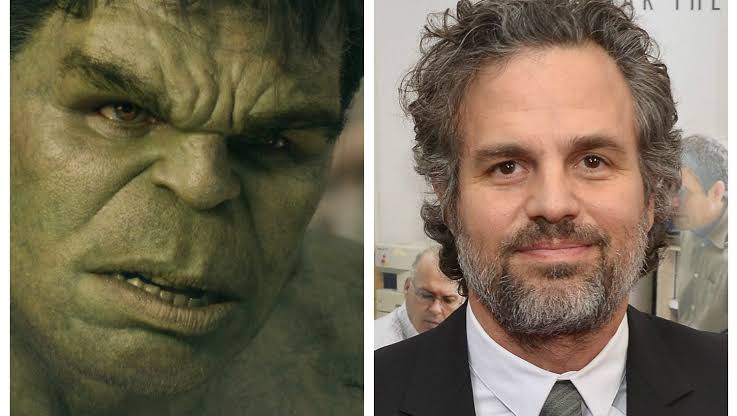
In 2012, he also entered the Marvel Cinematic Universe as Bruce Banner and the Hulk in The Avengers. Rather than playing Banner only as a scientist afraid of becoming a monster, Ruffalo gave him humor, loneliness, and a weary familiarity with the anger inside him.
The role made him globally famous.
Yet one of his most personal achievements arrived with the 2020 HBO miniseries I Know This Much Is True. Ruffalo played identical twins Dominick and Thomas Birdsey, portraying two men marked by mental illness, family trauma, sacrifice, and grief.
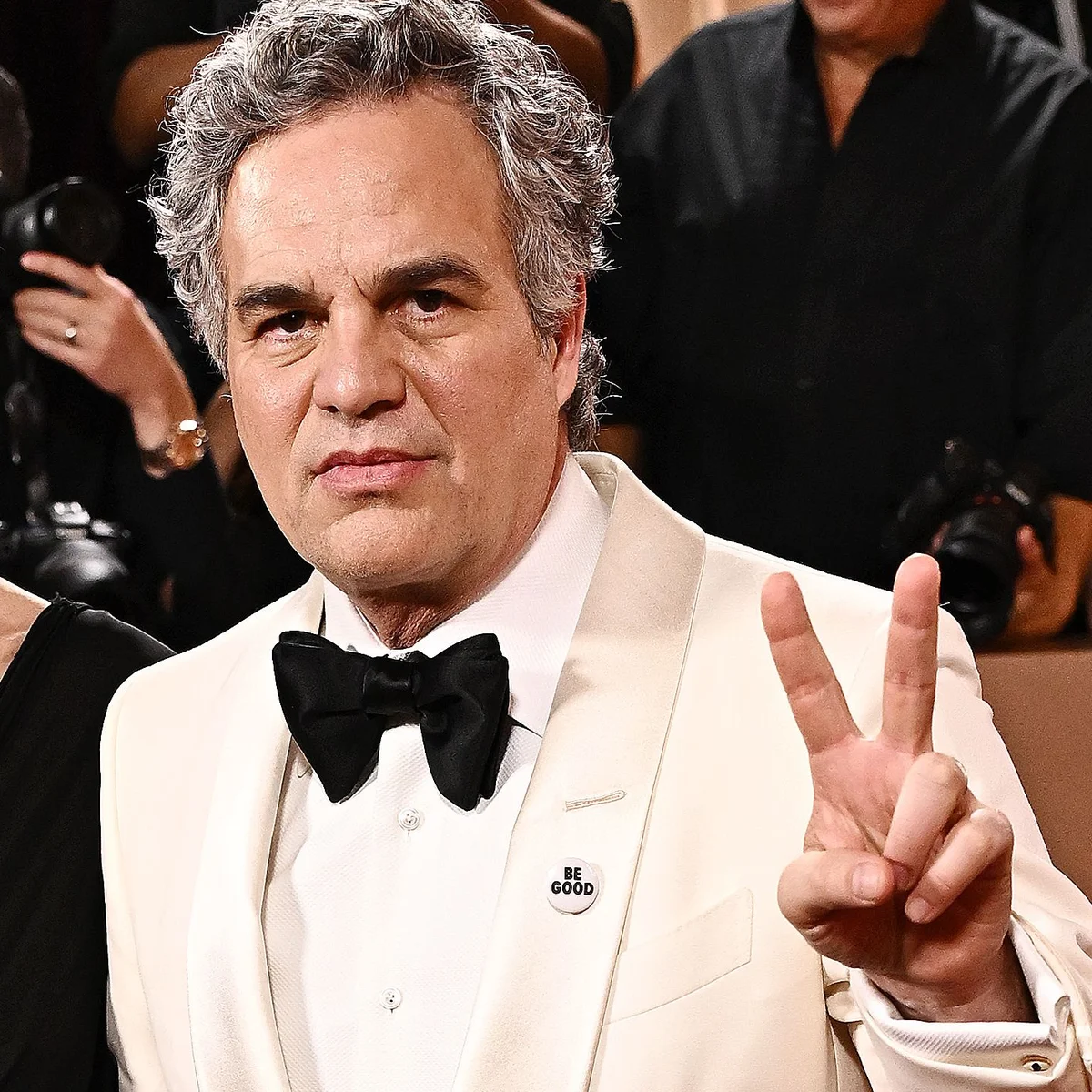
The performance required major physical and emotional transformations. Ruffalo won the Emmy for Outstanding Lead Actor in a Limited Series or Movie, his first acting victory at the awards.
Living Beyond the Worst Moment
Ruffalo’s life cannot be reduced to a miraculous dream, a successful surgery, or a series of prestigious roles.
The dream led him to a tumor before obvious symptoms forced him to seek help. Medicine saved his life, but recovery demanded months of uncertainty. His career survived, yet the murder of his brother later confronted him with a form of loss that fame could neither prevent nor resolve.
Through it all, Ruffalo continued working, raising three children, speaking openly about depression, and using his public platform for environmental and political causes.
He did not emerge from hardship untouched.
He remained deaf in one ear. He carried the memory of temporary paralysis and the fear that his newborn son might grow up without him. He continued living with grief over a brother whose death never received a fully satisfying explanation.
What changed was his relationship to those experiences.
Ruffalo did not allow survival to harden him into someone incapable of feeling. Instead, the uncertainty, illness, and loss deepened the compassion that audiences recognize in his work.
The dream that warned him about the tumor may have saved his life.
Everything that followed revealed what he would do with the life he was given back.