Keanu Reeves Lost the Daughter and Future He Had Imagined—Yet Grief Never Took Away His Kindness
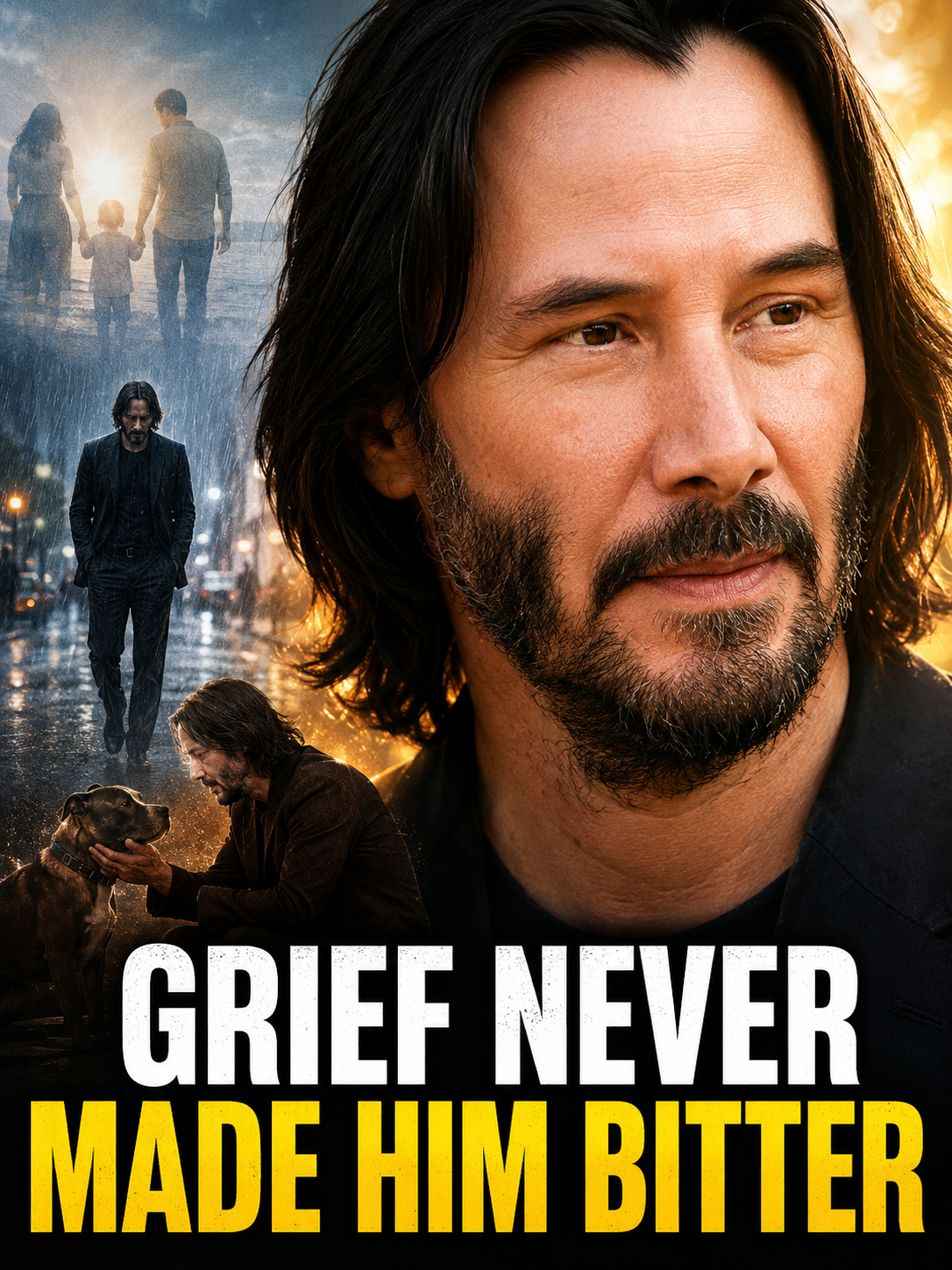
At the height of Keanu Reeves’ success, when The Matrix was transforming him into one of the world’s most famous actors, his private life was collapsing.
Reeves and his partner, Jennifer Syme, had been expecting a daughter. They had chosen a name, Ava, and were preparing for the family they believed they were about to have.
But their daughter was stillborn late in the pregnancy.
The loss devastated them. Their relationship did not survive as a couple, although they remained close. Then, little more than a year later, Syme died at 28 after losing control of her vehicle in Los Angeles.
Within a short period, Reeves had lost both the child he expected to raise and the woman with whom he had imagined raising her.
He continued making movies. He appeared at premieres, answered questions, and performed the work required of an international star. Yet the grief remained with him, changing shape rather than disappearing.
What surprised people over the years was not that Reeves survived. It was that repeated loss did not seem to make him cruel, cynical, or detached from other people.
Instead, the actor became known for quiet generosity, professional loyalty, and a kindness that rarely appeared designed for publicity.
A Childhood Without Stability
Reeves was born in Beirut, Lebanon, on September 2, 1964, to an English mother and an American father of Hawaiian and Chinese heritage.
His father left the family when Reeves was young. His mother, Patricia, worked as a costume designer and moved with her children through several cities before settling in Toronto.
The constant movement made stability difficult. Reeves attended multiple schools and struggled academically, partly because of dyslexia. He found belonging through hockey and acting, two pursuits that rewarded instinct, timing, and physical awareness more than traditional classroom performance.
He once dreamed of becoming a professional hockey player, but acting gradually became his direction.
After early work in Canadian television and theater, Reeves moved to Los Angeles. Roles in River’s Edge and Dangerous Liaisons demonstrated his dramatic potential, while Bill & Ted’s Excellent Adventure made him widely recognizable as the cheerfully clueless Ted Logan.
The success could easily have trapped him as a lightweight comic actor. Instead, Reeves moved between genres.
He played an undercover agent in Point Break, a street hustler in Gus Van Sant’s My Own Private Idaho, and a police officer trapped aboard an explosive-rigged bus in Speed.
By the mid-1990s, he had become a major Hollywood star.
But personal loss was already becoming part of his life.
Losing River Phoenix
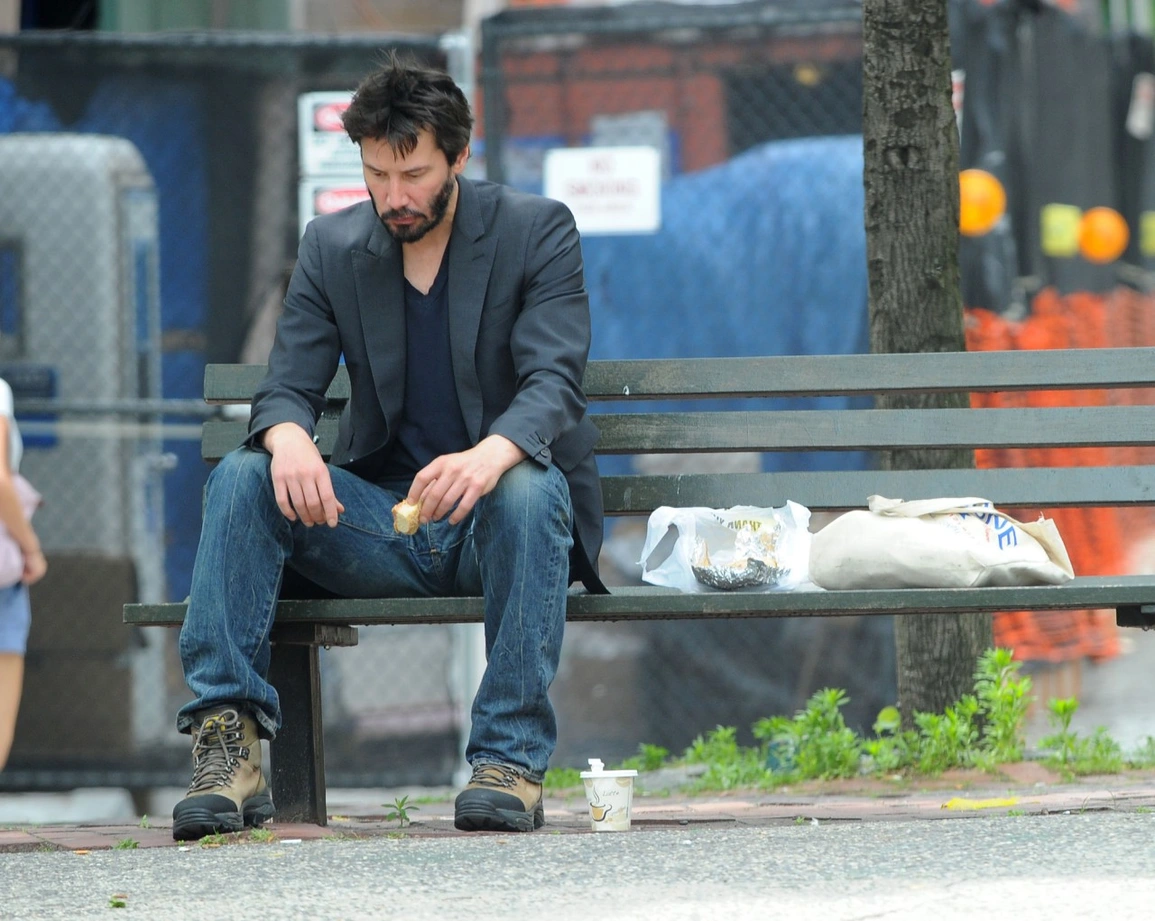
Reeves formed a close friendship with River Phoenix while they were young actors. They worked together in I Love You to Death and later gave career-defining performances in My Own Private Idaho.
Phoenix died from a drug overdose in October 1993 at age 23.
Decades later, Reeves still spoke of him with affection and sadness. Remembering Phoenix in a 2021 interview, Reeves said it remained strange to discuss his friend in the past tense.
The death confronted Reeves with the sudden loss of someone who had understood the uncertainty and intensity of becoming famous while still young.
He kept working.
The following year, Speed established him as an action star. Later came The Devil’s Advocate and the role that would permanently change his career: Neo in The Matrix.
Released in 1999, the science-fiction film became a cultural phenomenon. Reeves played a computer programmer who discovers that the reality surrounding humanity is an elaborate simulation.
On screen, Neo was awakening to an entirely new existence.
Away from the cameras, Reeves believed another new life was about to begin.
The Family That Never Arrived
Reeves met Jennifer Syme in the late 1990s. Syme worked in the film industry and had been associated professionally with director David Lynch.
The couple soon learned they were expecting a child.
Their daughter, Ava Archer Syme-Reeves, was stillborn late in 1999. Accounts have placed the loss either shortly before Christmas or in January 2000, but the central fact remained unchanged: Reeves and Syme left the hospital without the baby they had expected to bring home.
The death placed enormous pressure on their relationship. They separated not long afterward but remained connected.
On April 2, 2001, Syme died after her Jeep struck parked vehicles in Los Angeles. She had reportedly met Reeves for a meal shortly before the crash.
Her death created another layer of grief.
There was the loss of Syme herself, but also everything she represented: the shared memory of Ava and the family that had existed briefly as a possibility.
Reeves rarely discussed the deaths publicly. He did not turn them into a repeated element of his celebrity narrative or present his pain as evidence of personal virtue.
When he did speak about grief, his language was restrained.
He once explained that grief does not simply end. It changes over time, but the absence remains. The point was not that a person should remain permanently trapped in sorrow. It was that love leaves a space that cannot be filled by pretending the loss never occurred.
Finding Grief Inside John Wick
Years later, Reeves found a professional outlet for some of those emotions in an unexpected place.
By the early 2010s, his career had slowed. He remained famous, but several projects had disappointed commercially, and he was no longer consistently offered the kind of major roles that had followed The Matrix.
Then he received the script for John Wick.
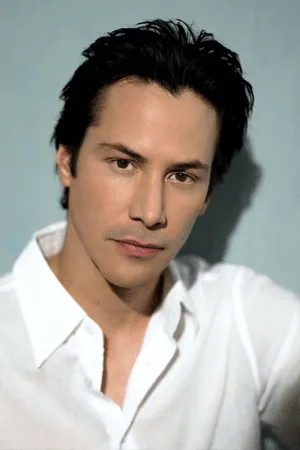
The 2014 action film centered on a retired assassin mourning the death of his wife. When criminals kill the puppy she arranged to have sent to him, Wick returns to the violent world he had abandoned.
The premise was designed for stylized action, but Reeves understood that the character’s real foundation was grief.
He later acknowledged that his own experience of bereavement informed the performance. Wick’s sorrow was not treated as a temporary obstacle that disappeared once the shooting began. It remained part of him, driving his anger while also revealing the depth of the love he had lost.
Reeves described that connection as one of the foundations of the character.
The film became an unexpected success and launched a franchise.
At an age when many action stars struggle to reinvent themselves, Reeves created another iconic character. John Wick restored his position in Hollywood and introduced him to younger audiences.
Yet Reeves’ public appeal extended beyond the movies.
Kindness Without a Campaign
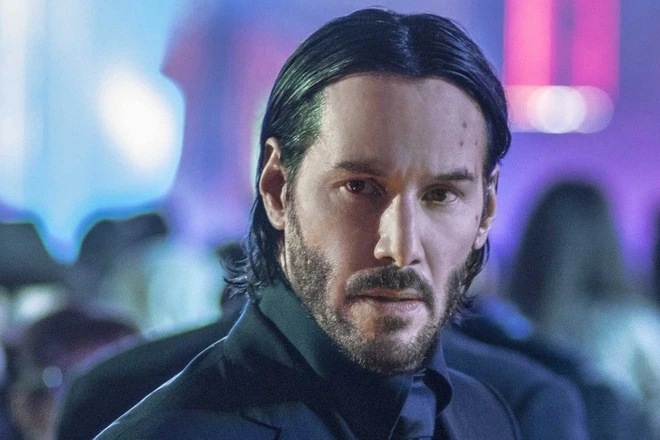
Over time, stories circulated about Reeves helping crew members, treating coworkers respectfully, giving up portions of his compensation to support productions, and quietly assisting charitable causes.
Some internet claims about his generosity were exaggerated or repeated without evidence. The verified picture was still meaningful.
Reeves established a private foundation that supported children’s hospitals and cancer research, but he avoided attaching his name prominently to it. His interest in cancer-related causes was personal: his sister Kim endured a long battle with leukemia.
He also became known for the respect he showed stunt performers and technical crews. That loyalty mattered especially in the John Wick series, which depended on extensive training and physically demanding stunt work.
His behavior did not suggest that tragedy had transformed him into a flawless person. Reeves has resisted the internet’s tendency to portray him as a saint, occasionally reminding interviewers that he has faults and difficult days like anyone else.
What remained notable was his apparent refusal to use pain as permission to mistreat other people.
Grief had made him familiar with how quickly a life could change. It did not appear to convince him that nothing mattered.
Love After Loss
For years, public narratives about Reeves often presented him as permanently alone, frozen emotionally by the deaths of Ava and Syme.
That image was incomplete.
Reeves developed a close creative relationship with visual artist Alexandra Grant. They collaborated on the books Ode to Happiness and Shadows, and later helped establish the independent publishing company X Artists’ Books.
Their relationship eventually became romantic, and they appeared publicly as a couple in 2019.
Grant later described their partnership as supportive and creatively energizing. Reeves, usually private about relationships, spoke warmly about sharing moments of connection and happiness with her.
Moving forward did not mean replacing the people he had lost.
It meant allowing life to contain love again.
The Answer That Revealed Everything
In 2019, Stephen Colbert asked Reeves what he believed happened after people died.
It was an enormous question—philosophical, spiritual, and impossible to answer with certainty.
Reeves paused.
Then he said he knew that the people who loved us would miss us.
The answer was brief, but it carried the weight of his history.
He did not speak about rewards, punishments, or a guaranteed reunion. He focused instead on the people left behind and the love that makes absence painful.
Reeves lost River Phoenix. He lost his daughter before he could watch her grow. He lost Jennifer Syme before either of them could fully rebuild the future that had been shattered.
Those losses remained part of him.
But they did not become his entire identity.
He continued creating, working, forming friendships, supporting his family, falling in love, and treating the people around him as though their lives mattered.
Grief never gave Keanu Reeves the family he once imagined.
What it left him was a deeper understanding of what it means to miss someone—and, perhaps, a stronger reason to be gentle with those who are still here.