🇪🇸 “AN UNPRECEDENTED CRISIS” — SPAIN’S CEUTA ENCLAVE FACES MIGRATION PRESSURE AS AUTHORITIES STRUGGLE TO RESPOND
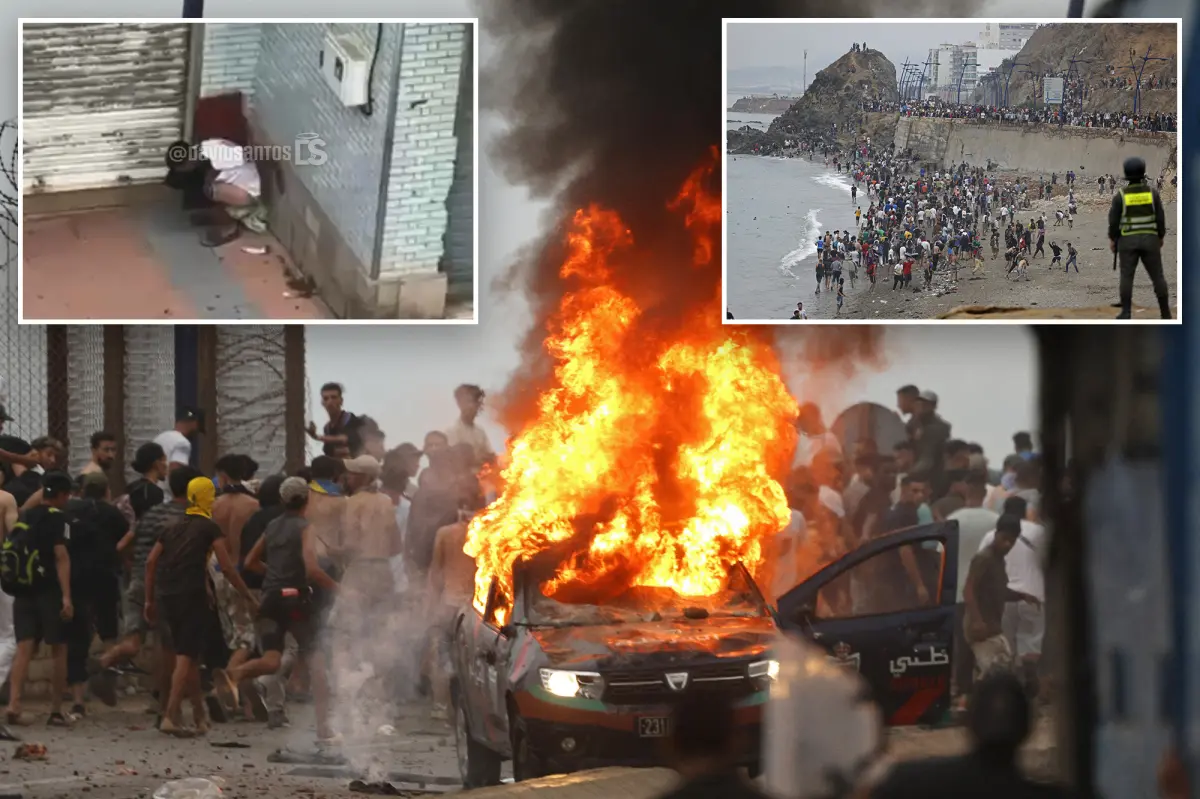
🇪🇸 “AN UNPRECEDENTED CRISIS” — SPAIN’S CEUTA ENCLAVE FACES MIGRATION PRESSURE AS AUTHORITIES STRUGGLE TO RESPOND
A growing migration crisis at one of Spain’s North African enclaves has sparked intense debate, as local residents and officials raise concerns about overcrowding, public services, and the challenges of managing large numbers of arrivals.
The Spanish enclave of Ceuta, located on the northern coast of Africa, has long been one of Europe’s key migration flashpoints because of its location directly next to Morocco and its position as a gateway into the European Union.
In recent months, authorities and residents have reported increased pressure on housing, sanitation systems, and public spaces as migrants — many from sub-Saharan African countries — arrive seeking entry into Europe.
Some residents have described scenes of extreme strain, claiming that certain public areas have become overwhelmed by large gatherings and inadequate facilities. Reports of people sleeping outdoors, limited access to basic services, and difficulties maintaining public spaces have fueled anger among parts of the community.
Local officials have called for greater support from Spain’s central government and European authorities, arguing that small border regions cannot handle migration challenges alone.
A BORDER AT THE CENTER OF EUROPE’S MIGRATION DEBATE
Ceuta and Spain’s other African enclave, Melilla, have been at the center of Europe’s migration debate for years.
Their borders are among the few land borders between the European Union and Africa, making them a symbolic and strategic entry point for people hoping to reach Europe.
Migrants often make dangerous attempts to cross border barriers, while Spanish authorities continue efforts to strengthen border controls and coordinate returns with neighboring countries.
Human rights organizations, meanwhile, have urged governments to ensure that border enforcement is balanced with protections for vulnerable people, including asylum seekers and unaccompanied minors.
COMMUNITY CONCERNS AND POLITICAL PRESSURE
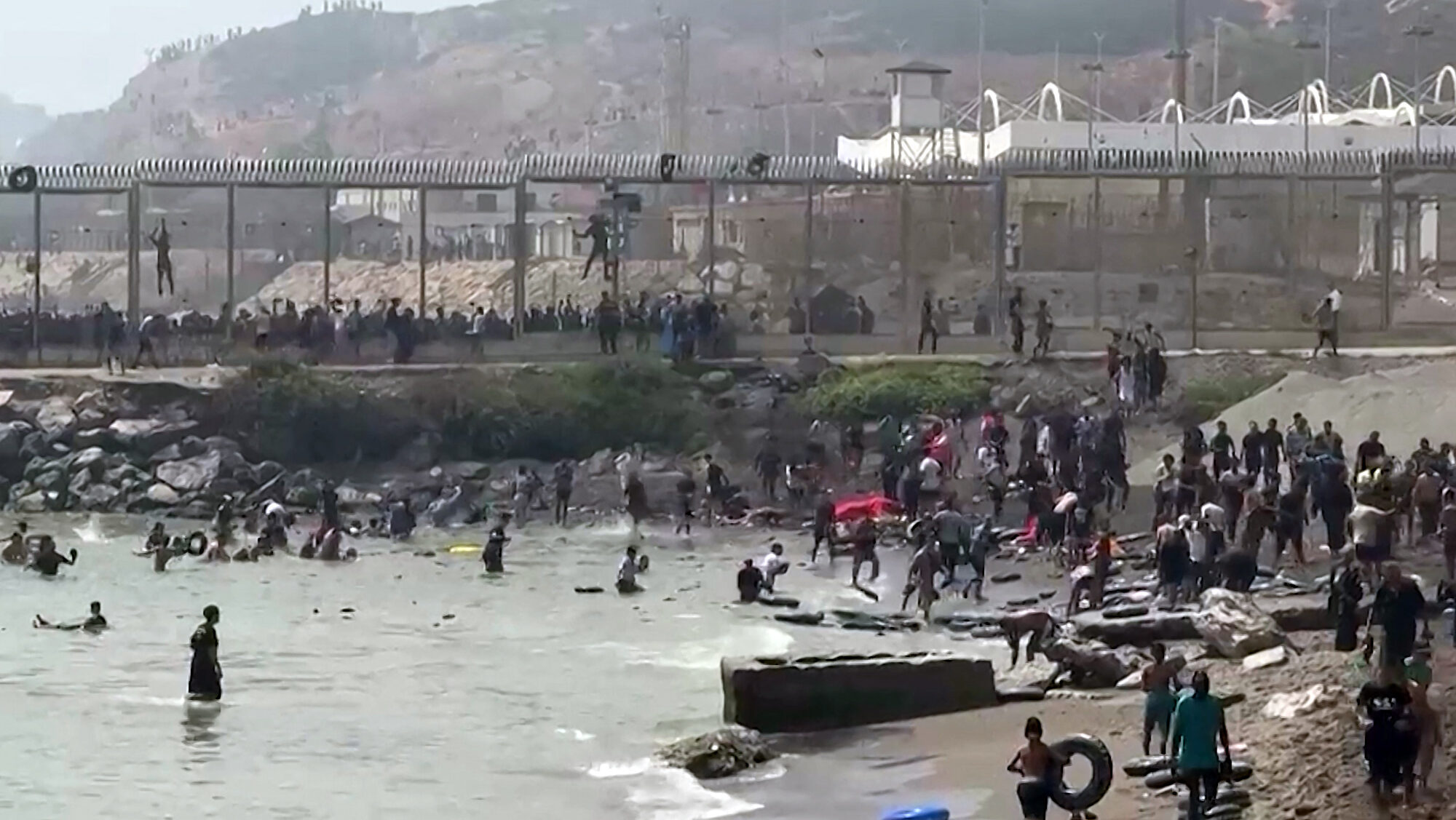
Residents who live in affected areas say they are frustrated by what they describe as a lack of resources and support.
Some have used dramatic language to describe the situation, while political groups have called for stricter migration policies and faster responses from authorities.
Government officials say the situation requires coordinated action rather than solutions focused only on one city or region.
WHAT HAPPENS NEXT?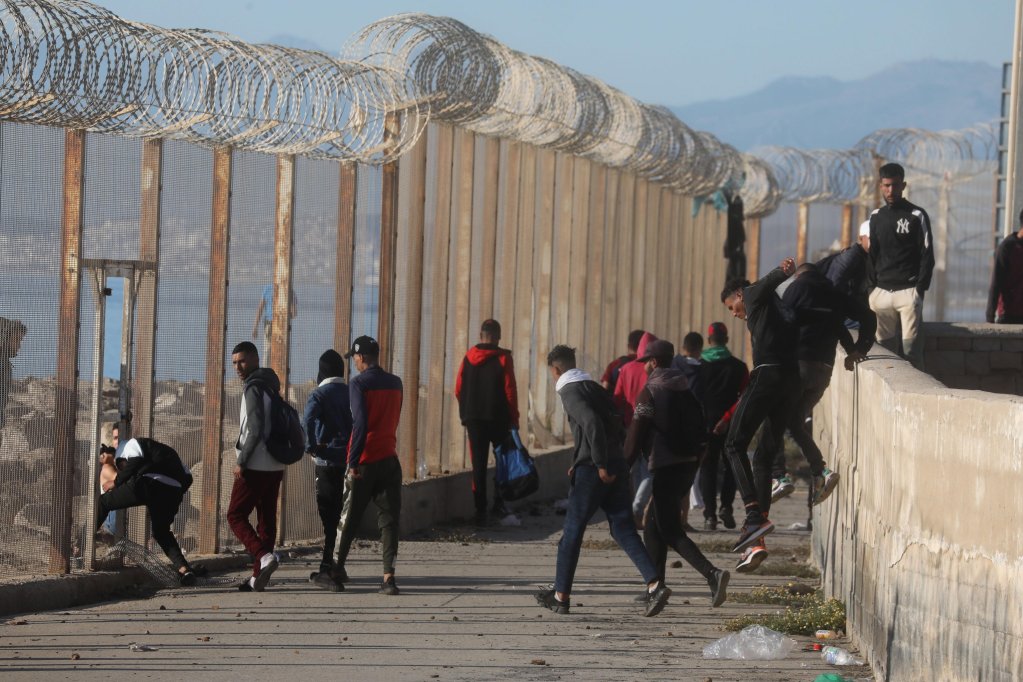
The situation in Ceuta highlights a larger European challenge: how to manage migration flows while addressing security concerns, humanitarian responsibilities, and the needs of local communities.
As pressure continues, authorities are expected to face increasing demands for solutions that protect both residents and migrants caught in one of the world’s most complex migration routes.
The debate over migration in Europe is far from over — and Ceuta remains one of the places where that struggle is most visible.