People Call Me ‘Selfish’ For Having Kids With My Condition
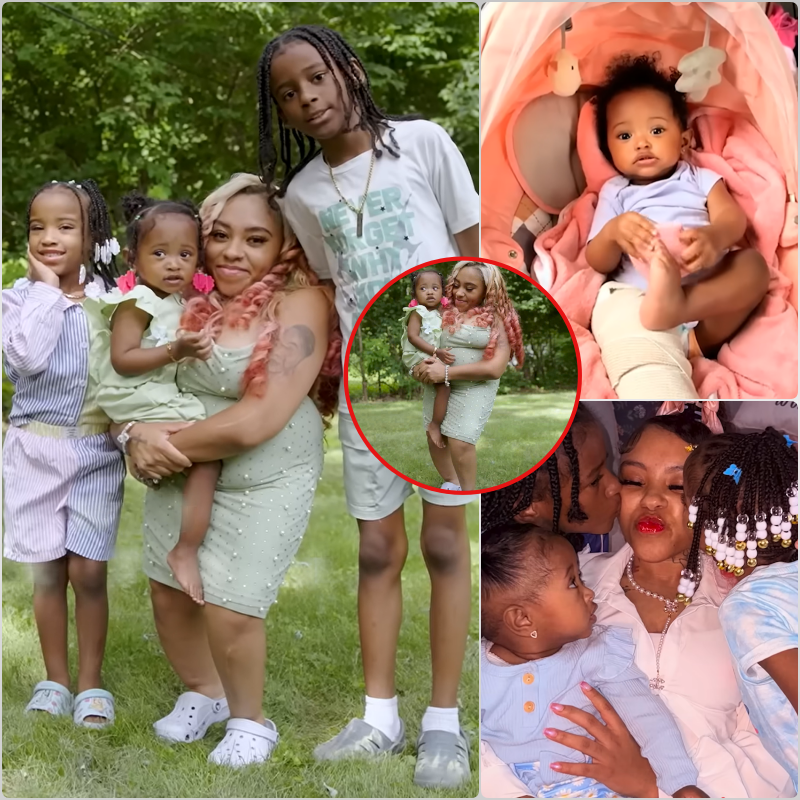
When Sarah made the decision to start a family, she knew it wouldn’t be easy—but she didn’t expect the harsh judgment that would follow.
Living with a chronic genetic condition, Sarah had spent years managing her health, learning her limits, and building a life that worked for her. Doctors had explained the risks clearly: pregnancy could be complicated, and there was a chance her children might inherit her condition. Still, after careful thought, medical guidance, and long conversations with her partner, she chose to move forward.
“I didn’t make this decision lightly,” she says. “I thought about it for years. I spoke to specialists, I understood the risks—but I also knew how much love I had to give.”
What she didn’t anticipate was the reaction from others.
Strangers online were quick to criticize. Some called her irresponsible. Others went further, labeling her “selfish” for bringing a child into the world under uncertain circumstances. Even in everyday life, she faced uncomfortable questions and unsolicited opinions.
“At first, it really hurt,” Sarah admits. “It made me question myself. But then I realized—people don’t see the full picture. They don’t see the preparation, the support, or the reality of my life.”
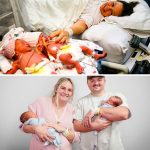
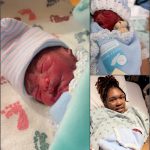
In truth, Sarah’s journey into motherhood has been anything but careless. Her pregnancy was closely monitored by a team of specialists. Every step was planned, every risk carefully managed. When her child was born, it was a moment filled not with regret—but with overwhelming love.
Now a mother, Sarah speaks openly about both the challenges and the joys. There are difficult days, especially when her condition flares up. There are moments of exhaustion, of worry, of navigating a body that doesn’t always cooperate. But there are also moments of pure happiness—first smiles, tiny hands reaching for hers, and a bond she describes as “worth every struggle.”
“I’m not ignoring reality,” she explains. “I know my condition is part of my life. But it doesn’t define my ability to be a good mother.”
Experts often emphasize that decisions about parenthood are deeply personal. Advances in medicine, genetic counseling, and prenatal care have made it possible for many people with chronic conditions to safely have children. While risks exist, they are often balanced with careful planning and informed choice.
The stigma, however, can be harder to manage than the medical challenges.
“There’s this idea that only ‘perfectly healthy’ people should have kids,” Sarah says. “But life isn’t perfect. Families aren’t perfect. What matters is love, care, and responsibility.”
Her story has resonated with many others facing similar judgments. Messages of support have poured in from parents who have walked the same path—people who refused to let their conditions define their right to build a family.
Today, Sarah continues to share her experience, not to prove anyone wrong, but to offer a different perspective.
“I understand that people worry,” she says. “But I wish they’d replace judgment with compassion. Because at the end of the day, my child is loved, cared for, and wanted—that’s what truly matters.”
Her journey challenges a difficult question: who gets to decide what makes someone worthy of being a parent? For Sarah, the answer is simple—it’s not about perfection. It’s about love, commitment, and the courage to choose hope, even when others don’t understand.