Charlie Chaplin’s Granddaughter Found Her Fiercest Role on Pandora: Inside Oona Chaplin’s Transformation Into Varang
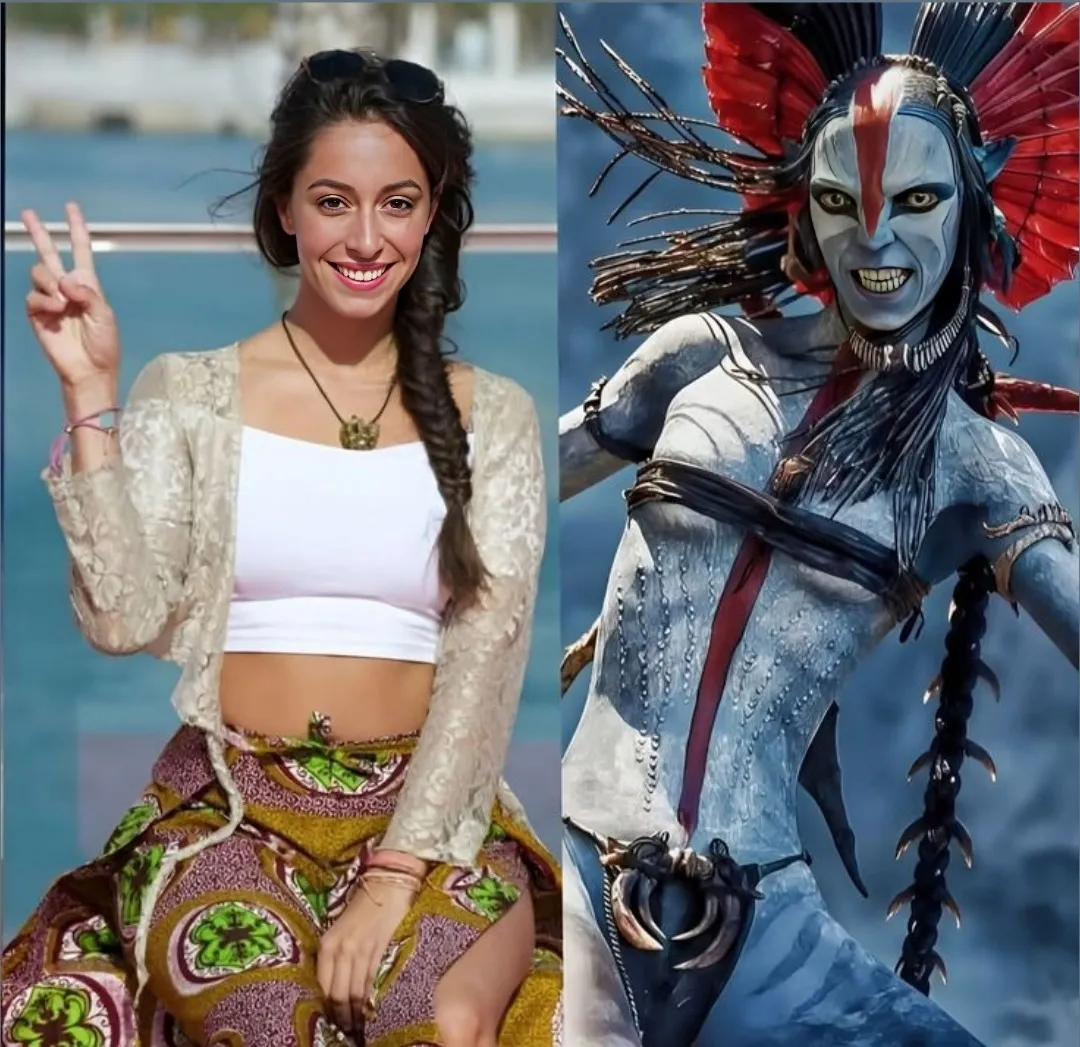
For generations, the Chaplin name has been associated with a bowler hat, a cane and one of the most recognizable silhouettes in movie history.
Oona Chaplin has now carried that name somewhere her grandfather could never have imagined: into the volcanic wastelands of Pandora.
In James Cameron’s Avatar: Fire and Ash, released on December 19, 2025, Chaplin disappears into Varang, the formidable leader of the Mangkwan clan, better known as the Ash People. With her dramatic headdress, darkened eyes, red body markings and unnervingly controlled movements, Varang looks almost nothing like the actress whose performance drives the digital character. Yet beneath the visual effects, much of what makes the Na’vi leader intimidating comes directly from Chaplin’s body, voice and carefully constructed physical performance.
The transformation is even more striking because of where Chaplin came from.
Born in Madrid in 1986, Oona is the daughter of actress Geraldine Chaplin and Chilean cinematographer Patricio Castilla. Through her mother, she is the granddaughter of Charlie Chaplin and Oona O’Neill, the latter the daughter of celebrated American playwright Eugene O’Neill. She was named after her grandmother and grew up moving between countries including Spain, Britain, Switzerland and Cuba.
Performance was part of her life early. She studied ballet, salsa and flamenco before attending Gordonstoun School in Scotland on a drama scholarship. She later trained at London’s Royal Academy of Dramatic Art, graduating in 2007. Those years of dance would eventually prove unexpectedly useful when she had to learn how a traumatized alien warrior might move across Pandora.
Long before Avatar, however, millions of viewers knew Chaplin from an entirely different fantasy world.
She played Talisa Maegyr in HBO’s Game of Thrones, becoming closely associated with one of the series’ most infamous episodes, the Red Wedding. Other television work followed, including The Hour, Black Mirror and Taboo. But carrying one of cinema’s most famous surnames did not always make her feel secure about her career.
Chaplin has spoken openly about feeling uncomfortable with the opportunities her family name may have helped create. After drama school, she even considered changing it. Over time, she said she moved away from that guilt and toward accepting the responsibility to work hard when opportunities came her way.
By the time James Cameron entered her life, she was questioning acting itself.
Chaplin later recalled that she had effectively been practicing leaving the profession. She built a treehouse in the Cuban jungle and imagined a different kind of life for herself. Then came the possibility of joining Avatar. She was cast as Varang in 2017, years before audiences would finally see the character on screen.
The role did more than give Chaplin another major credit. She has said the experience made her fall in love with acting again.
Cameron was not looking for an ordinary villain.
Varang leads a Na’vi people fundamentally different from the clans audiences had previously encountered. The Mangkwan were devastated by a volcanic disaster that destroyed their Hometree and shattered their world. Instead of continuing to place their faith in Eywa, the spiritual force connecting much of Na’vi life, they turned away from her.
Their burned homeland became part of their identity.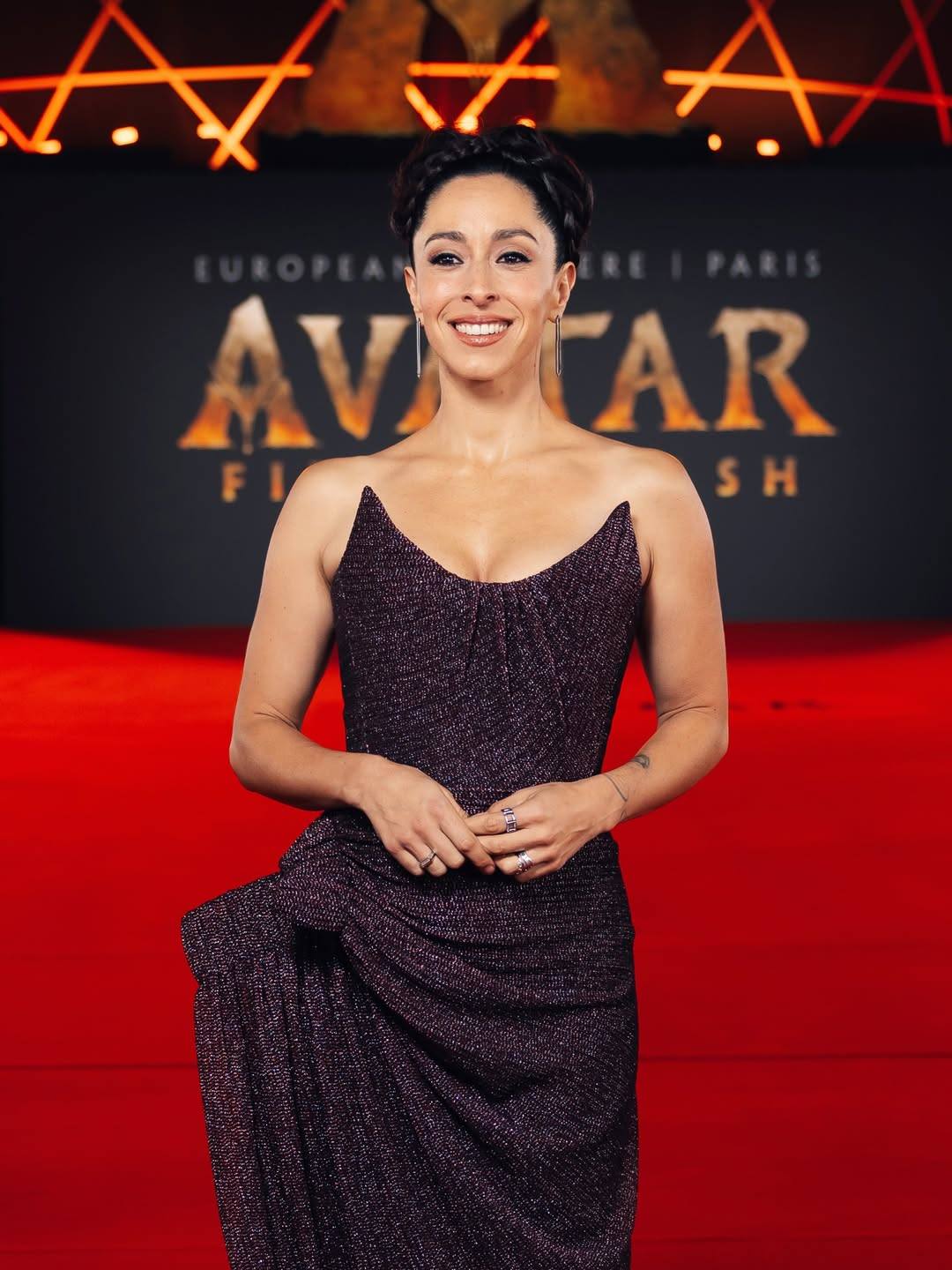
Varang responded to that catastrophe by embracing the very force that had destroyed so much: fire. In her view, strength becomes the answer to helplessness. Chaplin has resisted describing the character as evil in simple terms, explaining that Varang sees herself as the person who saved her people from starvation, suffering and despair.
That interpretation became crucial to the performance.
Rather than approaching Varang only through anger, Chaplin tried to carry the character’s grief underneath everything she did. She decorated her trailer with disturbing imagery meant to evoke the destruction Varang had survived and built a playlist that included throat singing and Slipknot to help reach the character’s darker emotional state.
Then came the physical transformation.
Chaplin underwent six weeks of training that included martial arts, parkour, Kali sticks and extensive practice with Varang’s curved Buugeng weapons. She joked that she became so determined to master their flowing movement that she would even practice while brushing her teeth.
She also studied Zoe Saldaña’s Neytiri.
For Chaplin, Neytiri represented the physical language of Pandora. But simply copying her would not work. Neytiri’s movement, Chaplin observed, seems to originate from an emotionally open center. Varang needed the opposite.
Chaplin imagined a woman whose heart had metaphorically closed after overwhelming trauma. She tightened her chest and lowered the character’s center of gravity toward the pelvis. The result was Varang’s unusual, sinuous physicality—less like a conventional warrior and more like something slowly pushing forward with enormous pressure beneath the surface.
For inspiration, Chaplin even studied lava.
During preparations in Hawaii, she observed volcanic landscapes and became fascinated by the way lava moves: gradual, fluid and difficult to stop. That image became part of Varang. Her movements could appear sensual one moment and threatening the next, with control rather than speed creating much of the danger.
The character’s visual design reinforced the performance.
Oscar-winning costume designer Deborah L. Scott explained that the Mangkwan’s appearance was shaped by their harsh volcanic environment. With fewer resources than some other Na’vi cultures, body decoration became important, while Cameron wanted red to dominate their visual identity. Varang, as the clan’s powerful leader, received a more elaborate look, including her striking headdress.
But the final transformation was not simply costume and makeup.
Like the other Na’vi performances in the Avatar films, Varang was created through performance-capture technology. Chaplin performed the character physically while cameras recorded the details that would later be translated into the towering digital figure seen on screen. She has described the process as unusually liberating because an actor is not restricted by conventional camera positions or lighting setups—the performance can be captured from multiple dimensions and shaped later.
That makes the connection to Charlie Chaplin unexpectedly fitting.
His granddaughter never met him; Charlie Chaplin died in 1977, nearly nine years before Oona was born. Yet his greatest performances depended on extraordinarily precise physical expression at a time when cinema itself was undergoing rapid technological change.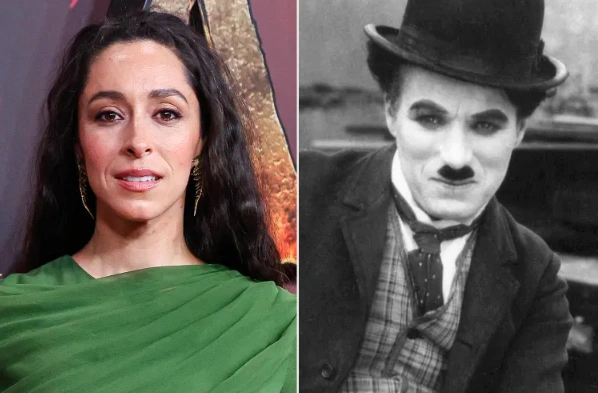
Oona Chaplin has noted a parallel between her grandfather and Cameron: both pushed filmmaking technology while remaining interested in human emotion beneath the spectacle.
Nearly a century after the Little Tramp communicated entire emotional stories through movement, another Chaplin is using her body to create a character whose final appearance is almost completely digital.
Varang may have blue skin, alien features and the terrifying authority of a warrior forged by catastrophe, but the rage, grief, sensuality and physical precision inside her belong to Oona Chaplin.
And for an actress who once wondered whether she should walk away from acting altogether, becoming one of Pandora’s most dangerous new figures turned into something unexpectedly personal: the role that helped bring her back.