Months Before Her Death at 26, Sydney Towle Wrote About the One Thing Cancer Taught Her Mattered Most
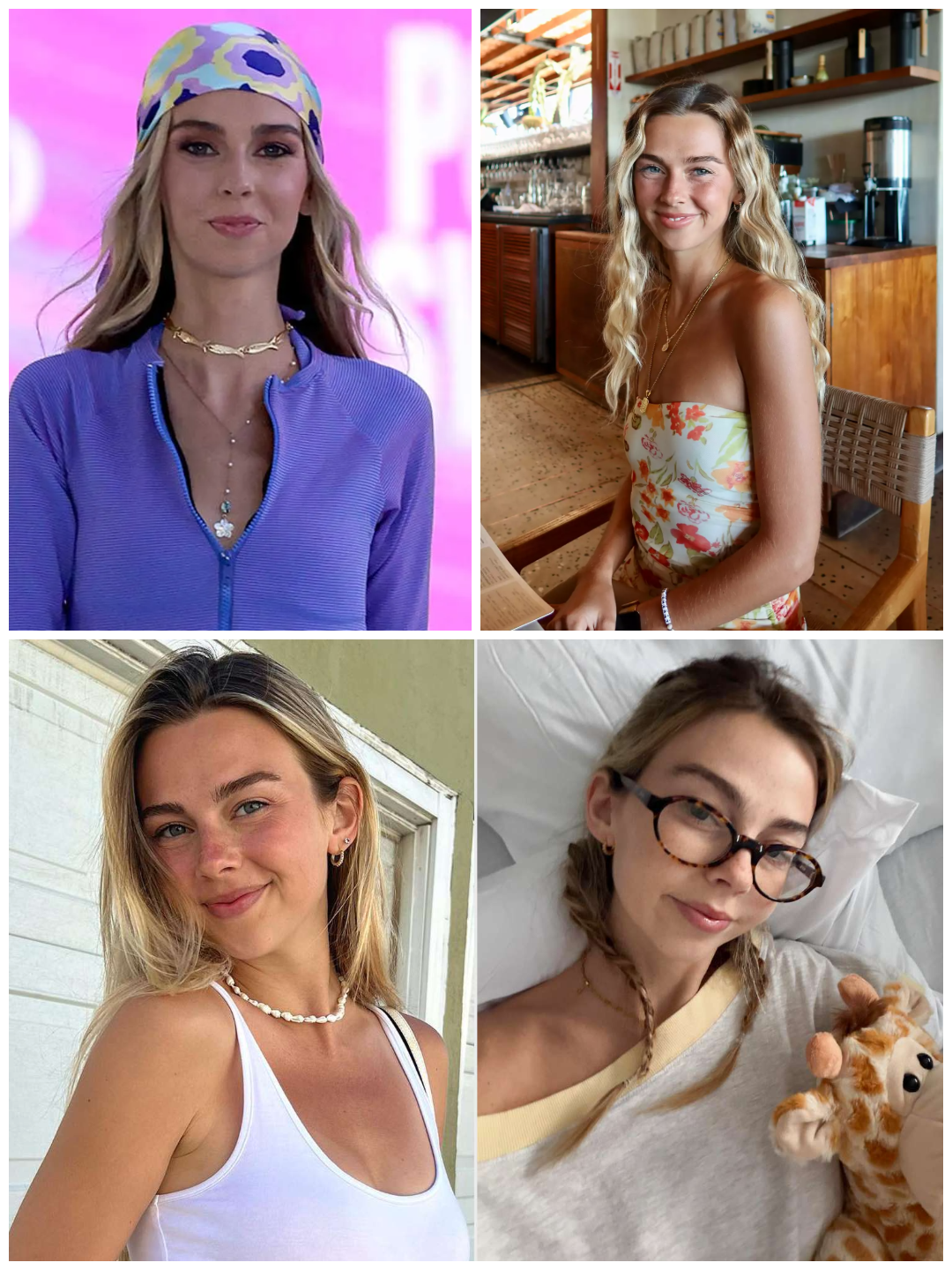
Months before Sydney Towle died from a rare form of cancer, she found herself struggling with something that had once seemed simple: allowing other people to help her.
By then, the 26-year-old content creator had spent years navigating surgeries, chemotherapy, clinical trials and repeated hospital stays. Her body was becoming weaker, and the independence she valued was becoming harder to maintain.
Yet when friends offered to visit her in the hospital, Towle’s first reaction was not uncomplicated relief. Part of her felt guilty that people were rearranging their lives to sit beside her.
Then she began questioning that guilt.
In what would become her final full-length essay, published May 11 as part of her “Stoop Thoughts” Substack series, Towle arrived at a realization that carried new weight after her death: needing other people was not weakness. It was one of the clearest expressions of love.
Cancer Entered Her Life at 23
Towle was only 23 when she was diagnosed with cholangiocarcinoma, a rare cancer affecting the bile ducts.
Over nearly three years, she opened much of that experience to an enormous online audience. More than 1 million followers across platforms watched as she discussed treatment, hospital stays and the emotional realities of living with a serious illness at an age when most people are still imagining decades ahead.
Her treatment was extensive.
Towle underwent several surgeries, took part in multiple clinical trials and received different forms of chemotherapy as her cancer progressed. Rather than separating her illness entirely from her public life, she increasingly used her platform to talk about what was happening to her body and how the experience was changing the way she viewed life.
But her writing allowed her to explore something beyond medical updates.
In her essays, she considered the emotional consequences of illness — fear, relationships, dependence and the difficult process of accepting that sometimes strength means allowing someone else to carry part of the burden.
That became the heart of her final long-form piece.
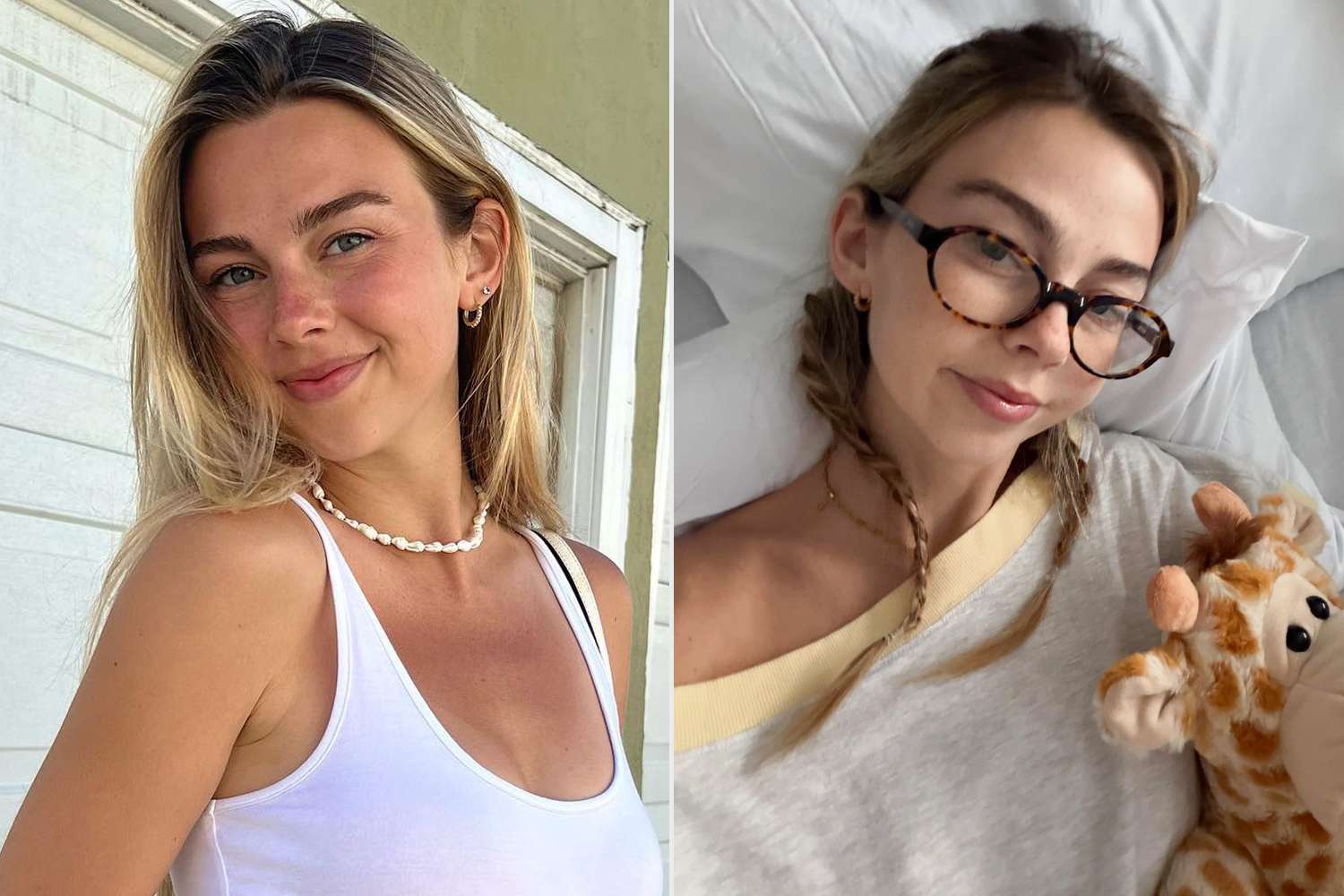
She Felt Guilty When Friends Wanted to Visit
Towle had recently been readmitted to the hospital when friends began asking whether they could come see her.
Their requests should have been comforting. Instead, they triggered an unexpected feeling.
Guilt.
Towle recognized that the emotion did not make logical sense. These were people who cared about her and genuinely wanted to be present. Still, part of her worried about becoming an obligation or burden.
Writing through the feeling helped her see it differently.
She concluded that asking for and accepting help was not abnormal at all. Human beings have always survived by relying on one another, creating communities rather than moving through life entirely alone.
The hospital visits became evidence of that idea.
Friends gathered around her despite the circumstances that had brought them there. There was conversation and laughter inside a place usually associated with fear, treatment and uncertainty.
Towle discovered that those moments actually made her feel better.
“Being surrounded by love and friends and laughter is healing,” she wrote.
The illness had forced her to receive something she might previously have struggled to accept.
And receiving it changed her definition of help.
The People Beside Her Became the Point
Towle’s essay gradually moved away from the practical question of accepting assistance and toward a much larger conclusion about life.
Cancer had stripped away many of the assumptions that normally make the future feel guaranteed.
Under those circumstances, achievements and independence began to matter differently. What remained essential were the people who shared the experience with her.
She wrote about friends who could make her laugh until her stomach hurt and people whose shoulders were available when laughter gave way to tears.
Those relationships, she concluded, were what life kept reminding her mattered most.
It was not an abstract lesson written from a distance.
Towle was living it from a hospital room while her strength was declining.
By the end of the essay, she had reframed the guilt she initially felt. Accepting care was not shameful, and allowing someone to help did not make her a burden.
“This is what help is,” she wrote. “It is love.”
Weeks Later, She Walked a Runway
Towle continued living publicly even as her illness became increasingly serious.
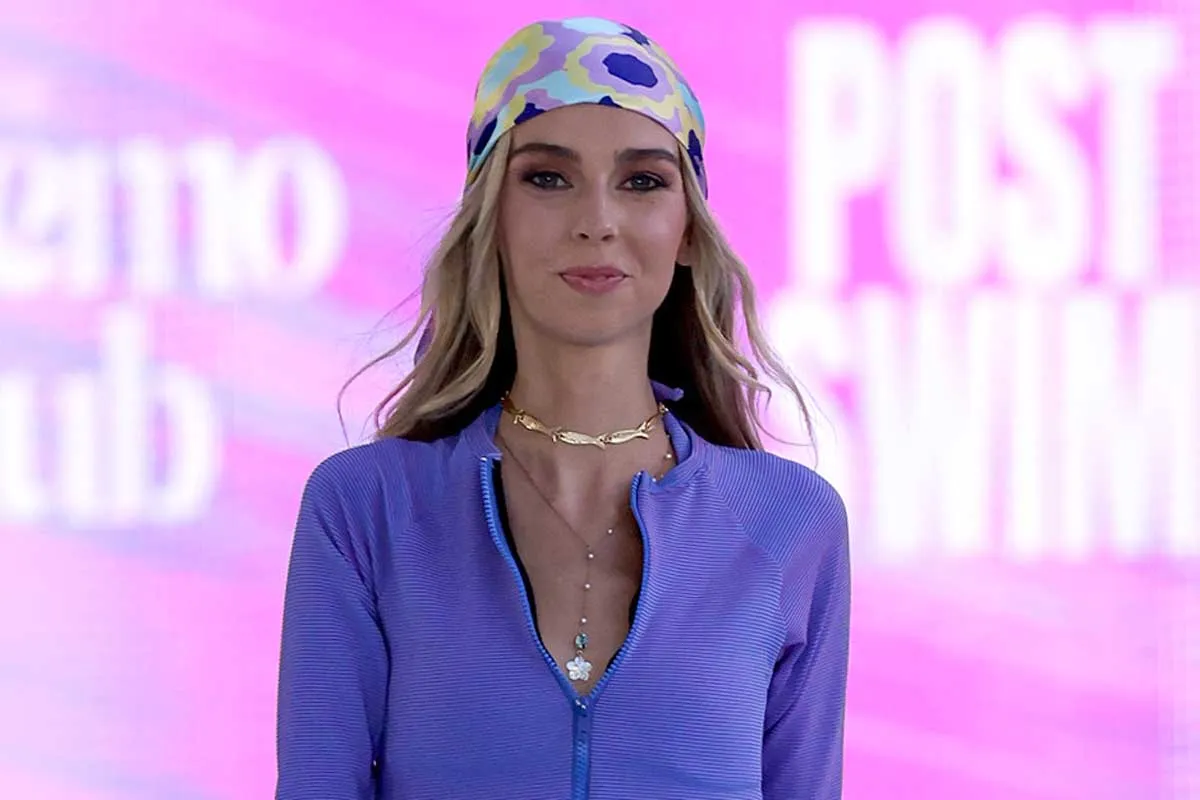
Later in May, she traveled to Florida for Miami Swim Week.
On May 28, she walked in The Chemo Club x Post Swim show, modeling swimwear designed with post-cancer bodies in mind.
For Towle, appearing on that runway was connected to another lesson cancer had taught her: a body marked by treatment did not need to be hidden.
She spoke about feeling empowered by a brand that encouraged women to embrace their scars. Instead of looking at her body only through what illness had done to it, she expressed pride in the body that had carried her through years of treatment.
The moment created a striking contrast.
She was still living with late-stage disease, yet there she was under the lights of Miami Swim Week, showing scars that represented what she had survived.
It became one of the final public chapters of her life.
Her Family Announced Her Death on Aug. 6
Towle died on Aug. 5, 2026, nearly three years after her diagnosis.
Her family announced her death the following day through the social media pages where so many people had followed her cancer journey.
She was 26.
The news gave her May essay a significance she could not have fully known when she published it.
What had begun as a reflection on feeling uncomfortable accepting hospital visits now read like something larger: a young woman confronting mortality and deciding what she believed deserved to survive the noise surrounding it.
Not guilt.
Not the fear of needing someone.
Not the pressure to appear endlessly strong.
People.
The Lesson She Left Behind Was About Love
Towle spent her early 20s living through experiences most people hope never to face.
Her life became filled with appointments, surgeries, chemotherapy and experimental treatments. Yet the message running through her final essay was not primarily about cancer.
It was about connection.
The disease made help unavoidable, but Towle came to understand that dependence did not diminish love — it allowed love to become visible.
Someone making time to sit beside a hospital bed was love.
Someone staying through tears was love.
Someone creating laughter in a frightening place was love.
And allowing those people to show up was also an act of love.
Towle’s final years were documented for more than a million people, giving strangers an unusually intimate view of what it meant for a young woman to continue building a life while knowing cancer was threatening it.
But in the essay she left behind, the lesson became remarkably simple.
Near the end of her life, after treatment had changed her body and illness had challenged her independence, Sydney Towle decided that the most meaningful parts of living were not the parts anyone had to carry alone.
They were the people willing to carry them together.