“I’M FINE. DON’T WORRY ABOUT ME.” — THE WORDS DAVID CRAWFORD’S FAMILY CAN’T FORGET
“I’M FINE. DON’T WORRY ABOUT ME.” — THE WORDS DAVID CRAWFORD’S FAMILY CAN’T FORGET
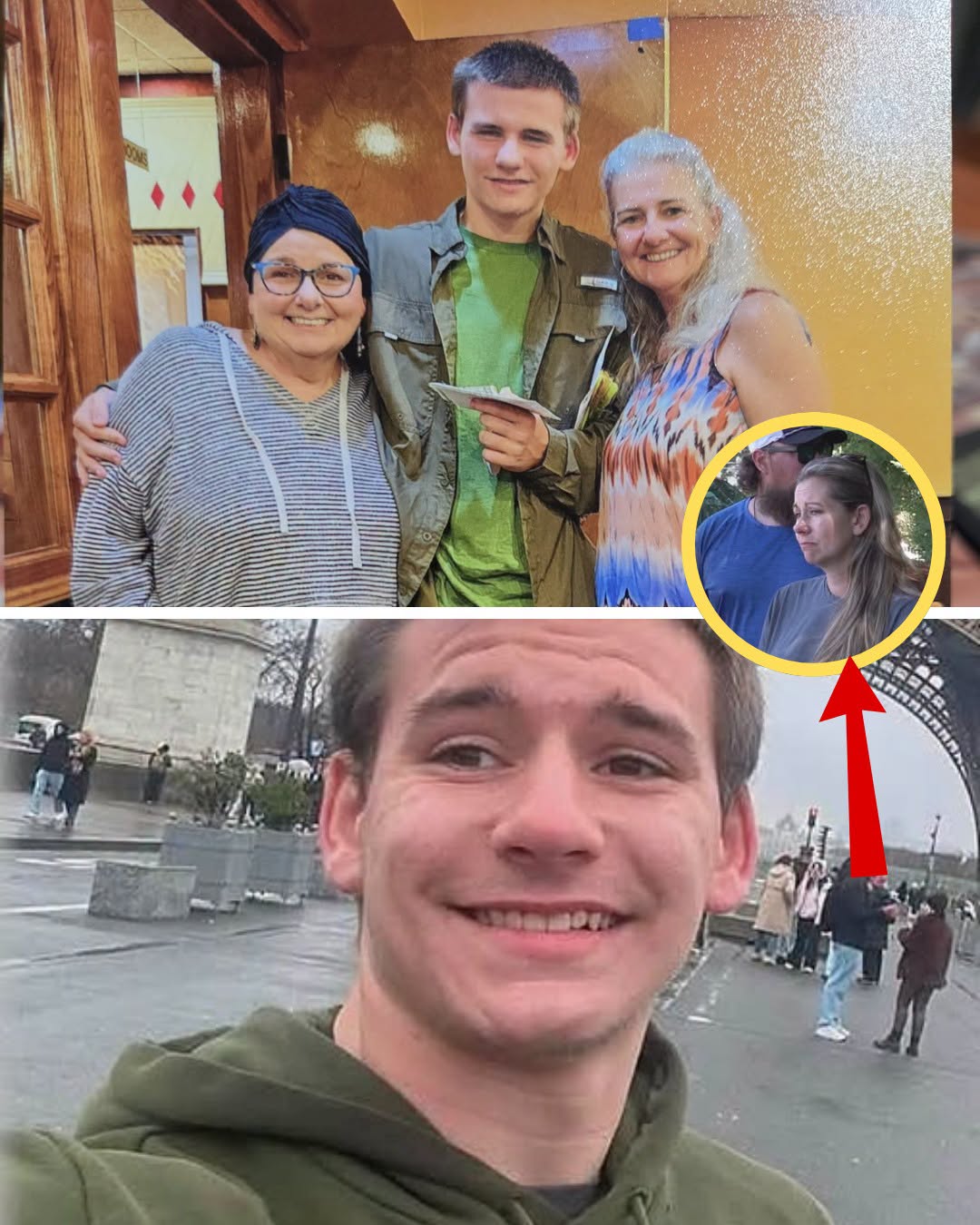
Eighteen-year-old David Crawford had only just begun his senior year when his life came to a devastating end. To his family, he appeared cheerful at home and repeatedly insisted that everything was fine. After his death, however, classmates reportedly came forward with accounts of bullying and harassment that raised questions his family never knew to ask.
A SENIOR YEAR THAT NEVER HAD THE CHANCE TO UNFOLD
David Crawford was 18 and just days into his senior year.
Like many students beginning their final year of high school, he should have been looking ahead—to graduation, friendships, future plans and the next stage of his life.
Instead, his family was left facing a devastating loss and a series of questions they never expected to have to ask.
What happened to David?
What was he experiencing in the days before his death?
And how much of his struggle remained hidden from the people closest to him?
“DON’T WORRY ABOUT ME”
At home, David did not always appear to be struggling.
His family remembers a young man who could be cheerful and engaged, but who would sometimes become quiet when asked whether something was wrong.
When relatives tried to get him to open up, he would reportedly reassure them.
 “I’m fine, don’t worry about me.”
For his mother, those words now carry a painful significance.
She believes David may have been protecting his family from worries he was dealing with himself.
But there was another part of his life that his family says they did not fully understand—the experience he was having at school.
ACCOUNTS EMERGE AFTER HIS DEATH
Following David’s death, classmates reportedly began speaking about what they said he had experienced.
Their accounts raised allegations of ongoing bullying and harassment.
For David’s family, hearing those claims after his death was both heartbreaking and deeply unsettling.
They had known their son.
They had seen him at home.
But they had not known the full picture of what may have been happening around him at school.
The emerging accounts have therefore become an important part of the questions his family wants investigated.
 WHAT DID PEOPLE KNOW?
The family is now seeking answers about whether warning signs existed before David’s death.
Were teachers aware of problems?
Did other students witness incidents?
Had anyone reported concerns?
Did David ever ask for help?
And if concerns were raised, how were they handled?
Those questions cannot be answered through social-media discussions alone.
They require a careful investigation involving witnesses, school records, communications and other available evidence.
HIS MOTHER ISN’T CALLING FOR REVENGE
Despite the anger and grief surrounding the case, David’s mother says the family’s goal is not revenge.
They want the circumstances surrounding his death fully examined.
If investigators determine that bullying or harassment occurred, they want those findings acknowledged.
And if anyone’s actions or failures contributed to what happened, the family wants appropriate accountability.
But they do not want assumptions to replace evidence.
Their request is straightforward:
Find out what happened to David.
WHEN A CHILD SAYS EVERYTHING IS FINE
David’s story also raises a difficult issue faced by families everywhere.
Young people do not always tell adults when something is wrong.
They may be embarrassed.
They may fear retaliation.
They may believe the situation will eventually stop.
Or they may simply want to protect the people they love from worrying about them.
That can make bullying particularly difficult to identify.
A child can walk through the front door smiling while carrying experiences their parents know nothing about.
And by the time the truth emerges, it may be too late to intervene.
THE DIFFERENCE BETWEEN QUESTIONS AND CONCLUSIONS
For David’s family, the allegations emerging from classmates are significant—but they are still allegations that need to be examined.
There is an important difference between someone reporting that bullying occurred and investigators formally establishing that bullying contributed to a death.
That distinction matters not only for fairness but also for finding the truth.
The family does not want rumors.
They want evidence.
They want witnesses heard.
And they want investigators to follow the facts wherever they lead.
A FAMILY LEFT WITH QUESTIONS
Perhaps the hardest part for David’s loved ones is knowing that he had opportunities to tell them what was happening—and repeatedly chose not to.
His mother cannot go back and ask different questions.
She cannot change the conversations they had.
She can only look back at the moments that once seemed ordinary and wonder whether they contained warning signs she did not recognize.
The sentence that once seemed designed to reassure her now echoes differently:
“I’m fine. Don’t worry about me.”
WHAT DAVID’S FAMILY WANTS NOW
The family is calling for a comprehensive investigation into the circumstances surrounding David’s death and the reports of bullying and harassment.
They want investigators to establish a clear timeline of his final days.
They want classmates and other witnesses with relevant information to be heard.
And they want any institutional failures or individual wrongdoing identified if the evidence supports such findings.
Their message is not about retaliation.
It is about accountability—and about making sure David’s experience is not ignored.
A LEGACY BEYOND THE HEADLINES
David was 18.
He was at the beginning of his final year of high school.
His family says he had a life ahead of him, even if he was carrying struggles they did not fully see.
Now, they are left trying to reconstruct the part of his life that happened away from home.
The answers may not come quickly.
They may not be simple.
But for a grieving family, understanding what happened can become a way of honoring the person they lost.
David’s family says they are not asking for revenge.
They are asking for a full investigation.
They are asking that any wrongdoing be confronted if the evidence supports it.
And above all, they want to know what David was going through when he kept telling everyone he was fine.