THE “LOCKBOX LETTER” CLAIM: WHAT IS ACTUALLY KNOWN ABOUT THE ANN WIDDECOMBE INVESTIGATION?
THE “LOCKBOX LETTER” CLAIM: WHAT IS ACTUALLY KNOWN ABOUT THE ANN WIDDECOMBE INVESTIGATION?
A dramatic claim circulating online alleges that investigators discovered a handwritten note inside a locked box at Ann Widdecombe’s Devon home—one that supposedly identified someone who had been monitoring her movements. But there is currently no reliable public evidence confirming that such a document exists.
A CLAIM SPREADING ONLINE
A new allegation has added another layer of mystery to the investigation into the death of former MP Ann Widdecombe.
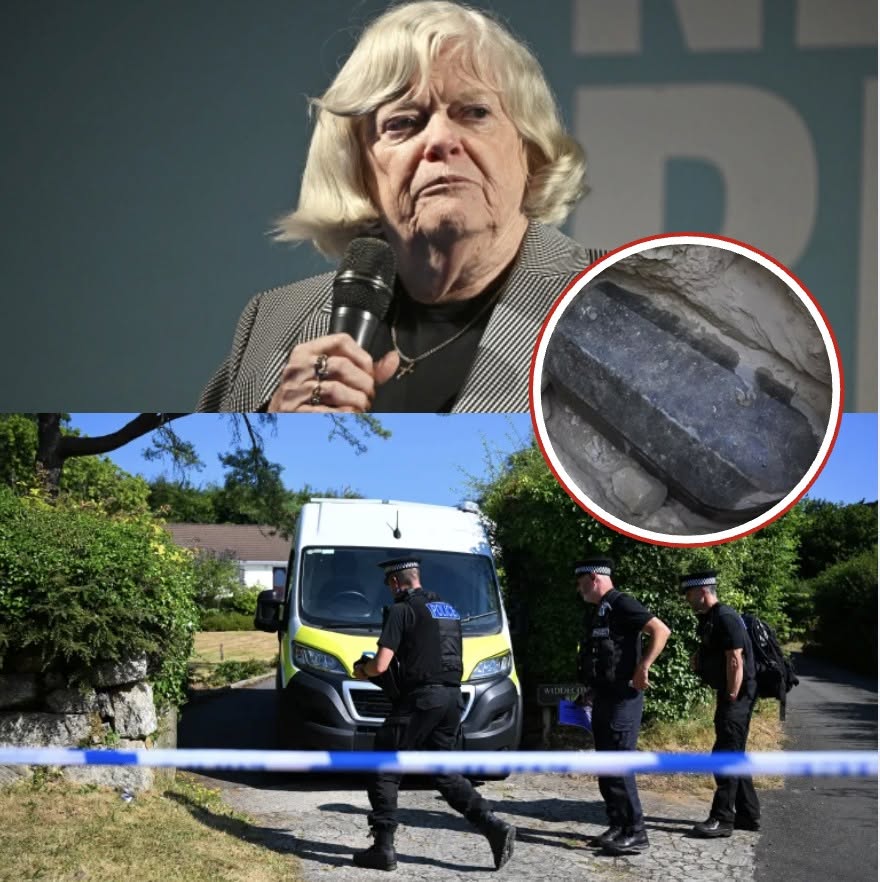
According to an unverified claim circulating online, forensic investigators allegedly recovered a metal lockbox from Widdecombe’s Haytor home and discovered a handwritten note inside.
The alleged note is said to have contained warnings about suspicious activity and even identified a person who was supposedly following or monitoring Widdecombe.
But there is a major distinction between what is circulating online and what investigators have actually confirmed.
No police statement, court document or credible mainstream report currently confirms the discovery of such a letter.
 WHAT IS CONFIRMED?
Widdecombe, 78, was found seriously injured at her home in Haytor Vale, Devon, on July 9, 2026.
Police believe she was attacked the previous day.
Joshua Kerry, 28, from Rotherham, has been charged with her murder. The Crown Prosecution Service has confirmed the charge, while stressing that the proceedings are active and that Kerry has the right to a fair trial.
Police have also said that their investigation into the motive remains ongoing, including the possibility of a political or terrorist connection.
 A SEPARATE INVESTIGATION HAS NOW BEEN REOPENED
One of the most significant confirmed developments came in August.
Counter Terrorism Policing London reopened an investigation into an attempted burglary reported in April 2025 at a London address where Nigel Farage was living at the time.
Police have said that a previously overlooked line of inquiry was identified after the case was reopened.
Investigators are now examining evidence including fingerprints, CCTV footage and video-doorbell recordings to determine whether the earlier incident could have any relevance to the Widdecombe investigation.
Police have not publicly established that Kerry was responsible for that earlier incident.
THE MISSING PIECE
That is what makes the alleged “lockbox letter” particularly important—but also why it should be treated cautiously.
If an authenticated document existed showing that Widdecombe had previously reported being followed or identified a potential threat, it could potentially become significant evidence.
But at present, there is no verified public evidence establishing that such a letter was recovered.
There is also no confirmed evidence that Widdecombe personally identified Kerry—or anyone else—as someone monitoring her movements.
Those details should therefore remain clearly labelled as unverified claims, rather than presented as discoveries made by investigators.
QUESTIONS ARE STILL BEING INVESTIGATED
The investigation has nevertheless taken several important turns.
Counter-terrorism officers are examining the possibility of a political motive.
A separate 2025 incident involving Farage’s former home has been reopened.
And investigators continue to examine evidence surrounding Kerry and the circumstances of Widdecombe’s death.
The full motive has not yet been publicly established.
WHAT HAPPENS NEXT?
As the case progresses through the courts, further evidence may eventually clarify why Widdecombe was targeted and whether any wider connections existed.
For now, however, the alleged lockbox note remains exactly that:
an unverified claim.
The confirmed facts are already serious enough.
A former government minister was killed at her home.
A man has been charged with her murder.
Counter-terrorism police are investigating possible political connections.
And a previously closed investigation involving Nigel Farage’s home has unexpectedly been reopened.
The unanswered questions are likely to remain at the center of the investigation for some time.
Was there really a hidden letter?
Did Widdecombe ever document concerns about being followed?
And could the newly reopened investigation reveal a connection between seemingly separate incidents?
For now, investigators—not social media—will determine what the evidence actually shows.
This article distinguishes verified reporting from unconfirmed online claims. The defendant is presumed innocent unless and until proven guilty in court.