“WHAT THE HELL IS THIS?” — THE BRUISE THAT BECAME A KEY QUESTION IN THE ISABELLE WELSH CASE
“WHAT THE HELL IS THIS?” — THE BRUISE THAT BECAME A KEY QUESTION IN THE ISABELLE WELSH CASE
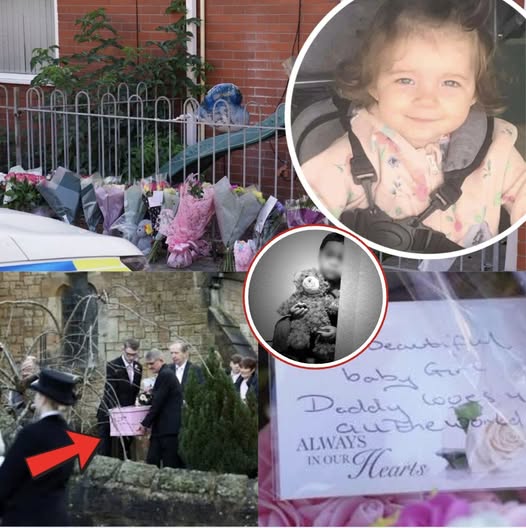
A bruise on two-year-old Isabelle Rose Welsh’s back became part of the evidence examined during the court proceedings into her death. Her grandmother told investigators that she was alarmed when she noticed the injury, while an explanation was reportedly given that Isabelle had accidentally struck herself against a sofa. Prosecutors later presented the bruise alongside evidence of numerous other injuries documented during the investigation.
 A BRUISE THAT CAUGHT A GRANDMOTHER’S ATTENTION
For Isabelle Welsh’s grandmother, the injury reportedly stood out.
According to evidence described during the investigation, she noticed a bruise on the toddler’s back following a visit and reacted with alarm.
She reportedly asked:
“What the hell is this?”
An explanation was subsequently given that Isabelle had bumped herself against a sofa.
At the time, that explanation was one account of how the injury may have occurred.
But as investigators examined the wider circumstances surrounding Isabelle’s death, the bruise became part of a much larger evidentiary picture.
 THE WIDER PATTERN OF INJURIES
Prosecutors later pointed to the bruise alongside other injuries identified during the investigation.
A post-mortem examination documented 21 broken bones and 97 soft-tissue injuries, according to evidence presented in court.
Those findings became central to the prosecution’s case concerning the nature and extent of the injuries Isabelle had suffered.
However, individual injuries and their significance were matters for medical experts and the court to assess rather than conclusions that can be drawn from a single bruise alone.
WHAT DID PEOPLE KNOW?
One of the most difficult questions raised by the evidence concerns what adults around Isabelle knew—and when they knew it.
The grandmother’s account has drawn attention because it suggests that at least one injury had been noticed before the final events surrounding Isabelle’s death.
That does not, by itself, establish that anyone could have predicted what would later happen.
But it does raise broader safeguarding questions about how unexplained injuries in vulnerable children are assessed and when concerns should trigger further intervention.
PROSECUTION AND DEFENSE POSITIONS
The prosecution used the medical evidence to argue that Isabelle had suffered repeated harm.
The defendants, however, denied the allegations made against them during the proceedings.
As with any criminal case, evidence presented by prosecutors represents part of the case that must be tested through the legal process.
The significance of individual injuries therefore needs to be understood in the context of the complete medical and forensic evidence heard by the court.
COULD MORE HAVE BEEN DONE?
That question has become difficult to avoid.
When a young child displays an unexplained injury, determining whether it is accidental or potentially significant can be challenging.
A bruise can have many possible explanations.
But when multiple injuries emerge over time, the circumstances surrounding each one can become increasingly important to safeguarding professionals and investigators.
Isabelle’s case has therefore prompted renewed discussion about whether warning signs were recognized, how concerns were assessed and whether additional protection might have been possible.
Those questions may ultimately be examined not only through the criminal proceedings but also through any safeguarding reviews that follow.
A CASE THAT HAS LEFT DIFFICULT QUESTIONS
The words reportedly spoken by Isabelle’s grandmother—“What the hell is this?”—have become one of the most memorable details surrounding the case.
But behind those words is a much more complicated issue.
A child was reportedly showing an injury.
An explanation was given.
Later, investigators uncovered evidence of extensive injuries.
And now, the court has been tasked with examining how those pieces of evidence fit together.
Isabelle deserved safety, care and protection.
The court must determine responsibility based on the evidence.
And the wider safeguarding questions may continue long after the courtroom proceedings end.
Full courtroom evidence, medical findings and the latest developments are in the comments.
Independent commentary based on publicly reported court proceedings. Allegations made during the trial should not be treated as established facts beyond the findings of the court.