“WHERE DID THE EVIDENCE GO?” — NEW QUESTIONS ERUPT AROUND THE NOLAN WELLS INVESTIGATION AS CRITICAL DETAILS REMAIN UNRESOLVED
“WHERE DID THE EVIDENCE GO?” — NEW QUESTIONS ERUPT AROUND THE NOLAN WELLS INVESTIGATION AS CRITICAL DETAILS REMAIN UNRESOLVED
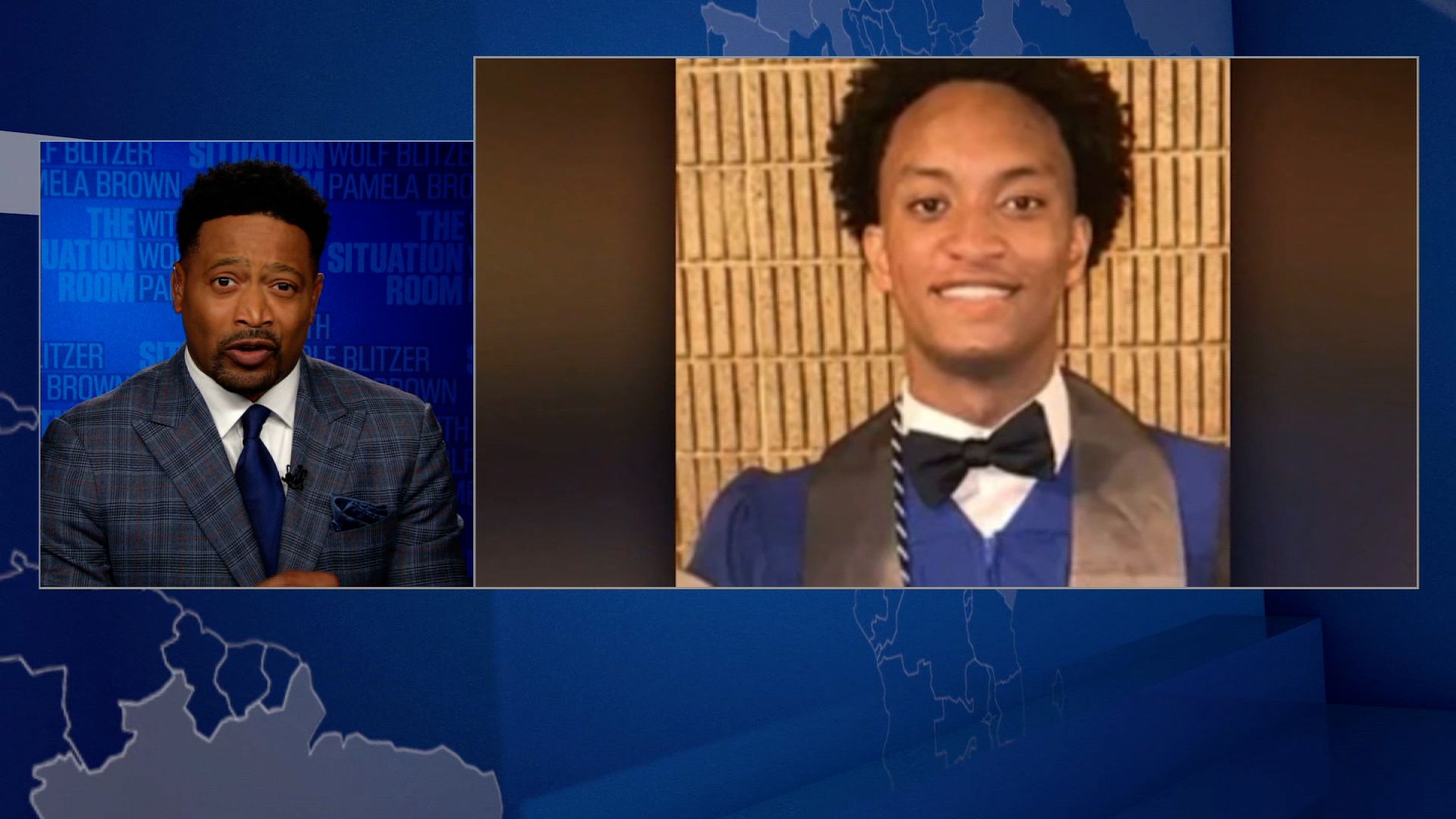
A missing teenager. A disputed timeline. A phone now at the center of a joint examination. And a growing list of questions about what investigators knew — and when they knew it.
The mystery surrounding the death of 18-year-old Nolan Wells has taken another dramatic turn online, with claims circulating that critical evidence may have been destroyed or mishandled during the investigation.
But there is an important distinction between the viral allegation and what has actually been established.
There is currently no verified public evidence showing that police deliberately destroyed critical evidence in Nolan Wells’ case.
What is real, however, is the growing pressure on investigators to explain the evidence, preserve relevant material and provide a clearer account of Nolan’s final hours.
And that pressure is intensifying.
Because more information is now emerging.
THE QUESTION AT THE CENTER OF EVERYTHING
Nolan Wells disappeared during a July 4 boat trip to Horn Island, Mississippi.
He was 18 years old.
He had traveled to the island with friends, but when the boat eventually returned to the mainland, Nolan was not aboard.
His body was discovered two days later.
The official investigation has continued, while Nolan’s family has pushed for additional scrutiny into what happened during the period between his last known movements and the discovery of his body.
An independent autopsy commissioned by the family subsequently determined the cause and manner of death to be undetermined, pending further investigation.
The report noted significant limitations caused by decomposition and the condition in which the body was received. It also said the available findings could not rule out the possibility that non-accidental factors contributed to or caused Nolan’s death.
That does not establish homicide.
But it does explain why the family continues to demand answers.
SO, WAS EVIDENCE DESTROYED?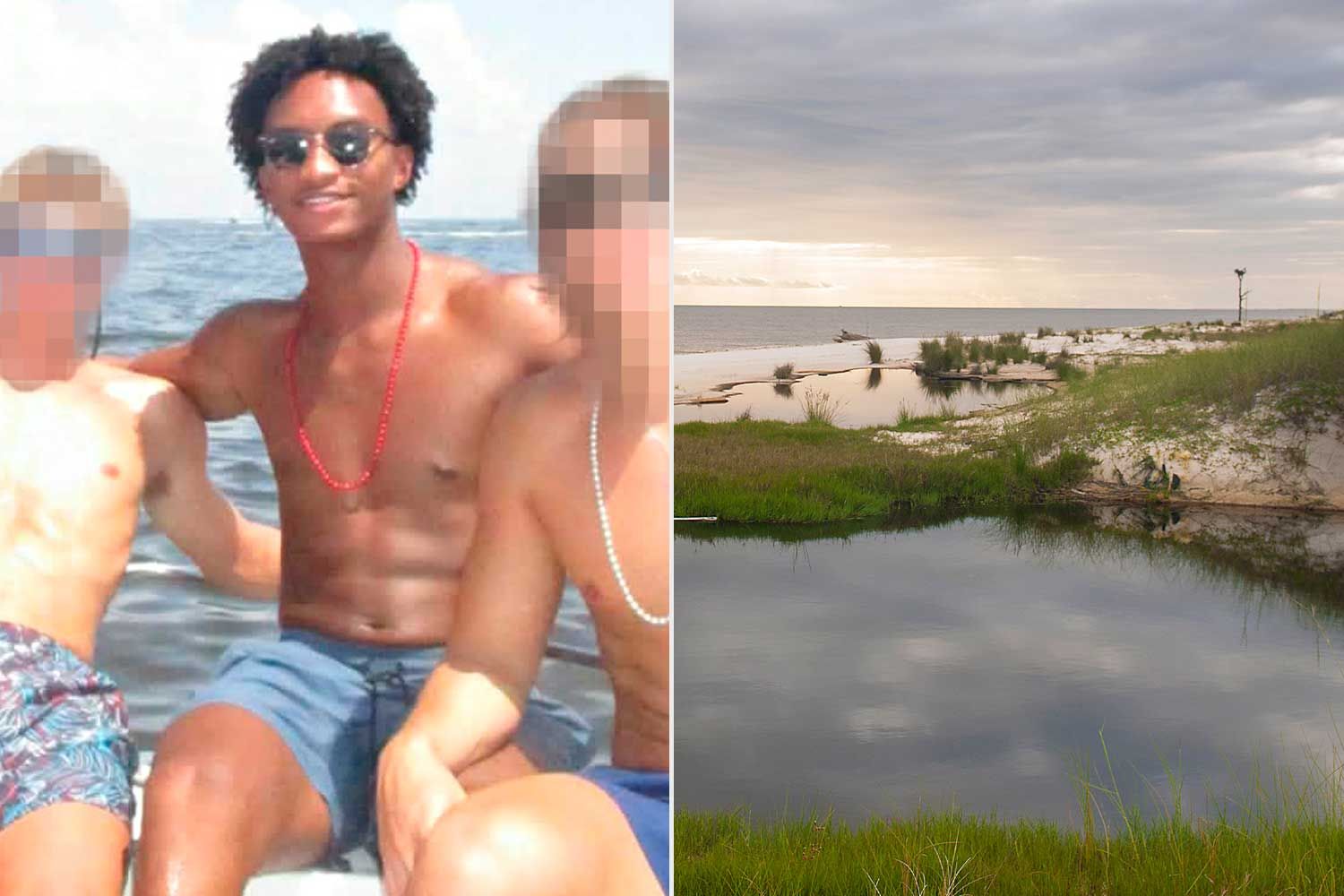
This is where the viral claim needs to be separated from documented facts.
There is currently no credible public report establishing that Jackson County authorities intentionally destroyed evidence connected to Nolan’s death.
That accusation should therefore remain an allegation — not a fact.
However, investigators are facing legitimate questions about evidence preservation and access.
One major example is Nolan’s cellphone.
According to reporting, the Wells family recovered Nolan’s phone from his friends after he was reported missing, and attorneys representing the family agreed to work jointly with the local district attorney’s office to inspect its contents.
That development is significant.
A cellphone can potentially contain information about communications, photographs, timestamps, applications, location information or other digital traces.
But until investigators actually examine and authenticate the material, nobody can responsibly claim that the phone contains a “smoking gun.”
THE PHONE COULD HELP RECONSTRUCT THE TIMELINE
The most important issue may be timing.
What was Nolan doing before he disappeared?
Who was he communicating with?
What happened immediately before the boat left?
And what happened afterward?
Digital evidence can sometimes help answer questions that eyewitness memories cannot.
A photograph may contain metadata.
A message can establish a conversation.
A location record can help determine whether a device was moving.
A timestamp can sometimes confirm or challenge a witness’s recollection.
But digital evidence also has limitations.
Phones can be left behind.
Applications can produce incomplete location records.
Metadata can be altered or stripped.
And possession of a phone does not necessarily prove where its owner was.
That is why investigators must compare digital evidence with photographs, witness accounts, physical evidence and forensic findings.
THE UNITED CAJUN NAVY REPORT CHANGES THE CONVERSATION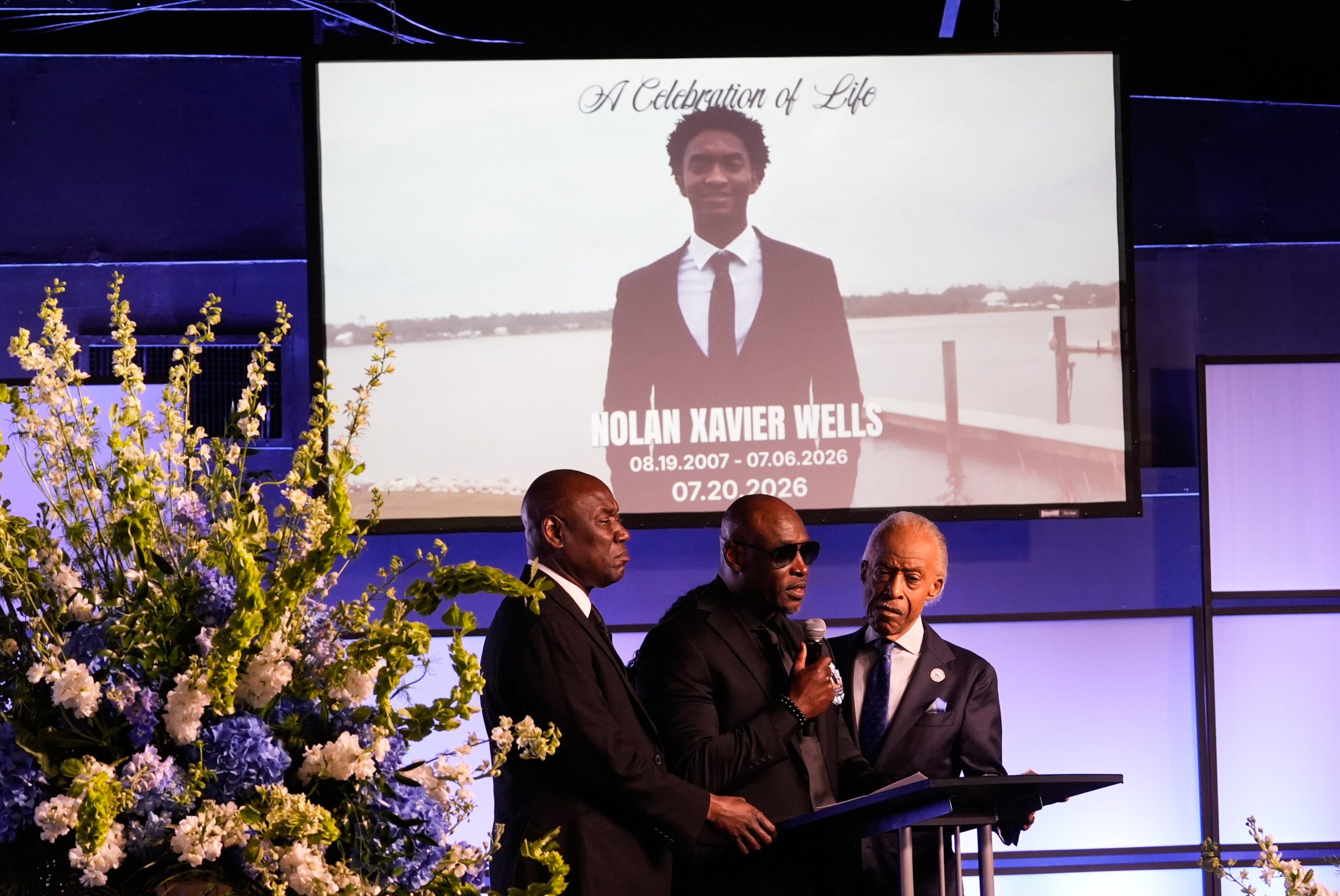
Another important development came from the United Cajun Navy.
The organization recently released a 22-page report compiling information it gathered during its involvement in the search for Nolan.
The material reportedly includes photographs, screenshots, GPS-related information, annotations and other material connected to the July 4 events.
The organization provided the report to the Jackson County Sheriff’s Office, the district attorney and Nolan’s parents.
That does not mean every claim contained in the report has been proven.
The organization itself has acknowledged limitations in verifying some of the material it received.
But the report potentially gives investigators more material to compare against official records.
And that is exactly what matters.
One photograph alone may mean very little.
Five independently verified photographs taken at known times could be much more significant.
One witness statement may be uncertain.
Several independent witnesses describing the same event could strengthen a timeline.
A social-media claim is speculation.
A claim supported by original files, timestamps and corroborating evidence is something investigators can actually test.
THE MISSING MINUTES
Perhaps the biggest mystery remains the sequence of events surrounding Nolan’s final known period on Horn Island.
The public has repeatedly focused on the gap between when Nolan was last known to be alive and when the boat left the island without him.
That gap has generated countless theories.
Some people believe Nolan may have intended to remain on the island temporarily.
Others have questioned whether he was expected to find another ride.
Some have raised concerns about possible foul play.
Others believe the available circumstances remain consistent with a tragic drowning.
The problem is that social media has a tendency to turn unanswered questions into accusations.
An unanswered question is not evidence of a cover-up.
A missing piece of information is not proof that somebody destroyed evidence.
And the absence of an arrest is not proof that investigators are protecting someone.
Those distinctions are crucial.
WHY THE AUTOPSY MATTERS
The independent autopsy has added another layer of uncertainty.
According to The Associated Press, the examination found the cause and manner of Nolan’s death to be undetermined.
The report did not identify fractures or deep tissue injuries, while also describing a discoloration on the back of Nolan’s skull as inconclusive and requiring further investigation.
The pathologist also noted limitations resulting from decomposition and the fact that an earlier autopsy had already been performed.
That means the public should be extremely cautious about claims stating that the autopsy “confirmed murder” or “proved drowning.”
Neither conclusion has been established by the independent report.
Instead, the forensic picture remains incomplete.
And when forensic evidence is incomplete, the rest of the evidence becomes even more important.
FRIENDS UNDER SCRUTINY
Nolan’s friends have also found themselves at the center of intense public scrutiny.
Recent reporting says their attorneys have pushed back against accusations circulating online and have threatened potential defamation lawsuits.
The friends have denied involvement in Nolan’s death.
Their lawyers have also conducted their own examination of the island and said they are seeking to understand the location and circumstances surrounding Nolan’s disappearance.
That creates an unusual situation.
The family is demanding answers.
The friends are defending themselves.
Lawyers on both sides are conducting their own investigations.
And the public is examining every photograph, video and statement it can find.
But none of those activities should be confused with an official finding of guilt.
THE DANGER OF A “COVER-UP” NARRATIVE
The phrase “cover-up” is one of the most powerful words in a case like this.
Once it appears in a headline, people naturally begin looking for evidence that confirms it.
But investigators have to work in the opposite direction.
They must start with the evidence and follow it wherever it leads.
If evidence was lost, they need to determine how.
If evidence was never collected, they need to determine why.
If evidence was properly preserved, that should also become part of the record.
And if an accusation of evidence destruction is false, that needs to be made clear as well.
The truth cannot depend on which version gets the most clicks.
WHAT WOULD ACTUALLY PROVE EVIDENCE WAS DESTROYED?
If authorities were genuinely accused of destroying evidence, investigators or attorneys would need to establish specific facts.
For example:
What evidence allegedly existed?
Who possessed it?
When was it last seen?
Was there a legal duty to preserve it?
What happened to it?
Are there records showing it was destroyed?
Was the destruction intentional or accidental?
Did anyone order it destroyed?
Would the material have been relevant to the investigation?
Without answers to those questions, saying “police destroyed evidence” is premature.
The distinction may not sound dramatic.
But it is the difference between investigative reporting and speculation.
WHAT WE KNOW — AND WHAT WE DON’T
At this point, several things are documented.
Nolan disappeared from Horn Island on July 4.
His body was found two days later.
His cause and manner of death remain officially unresolved in the independent examination commissioned by his family.
The United Cajun Navy has released a report compiling information and photographs from its efforts.
The Wells family and local prosecutors have agreed to jointly inspect Nolan’s recovered cellphone.
The case remains surrounded by intense public scrutiny.
And there are still significant unanswered questions.
What is not established is that police deliberately destroyed evidence.
That distinction must remain clear.
THE NEXT BREAKTHROUGH MAY COME FROM SOMETHING SMALL
In investigations like this, the decisive piece of evidence isn’t always dramatic.
It may be a timestamp.
A deleted message that can be recovered.
An original photograph.
A previously overlooked video.
A GPS record.
A witness whose account can be independently confirmed.
Or information contained inside Nolan’s phone.
One small fact can sometimes connect several previously unrelated pieces of evidence.
That is why preserving every original file matters.
It is why investigators need access to unedited photographs and videos.
And it is why witnesses should provide information directly to authorities rather than relying exclusively on social media.
THE FAMILY STILL WANTS ONE THING
Answers.
Not viral theories.
Not anonymous accusations.
Not fabricated documents.
Not AI-generated images.
Not speculation presented as fact.
The family wants to know what happened to Nolan.
That is also why the current investigation deserves careful scrutiny — without prematurely accusing individuals or law-enforcement officers of crimes that have not been proven.
The truth, whatever it ultimately turns out to be, should be based on evidence that can withstand examination.
THE QUESTION THAT REMAINS
So, did police destroy critical evidence in the Nolan Wells case?
There is currently no verified evidence establishing that they did.
But that does not mean every question surrounding the investigation has been answered.
Far from it.
The cellphone still needs to be examined.
The photographs and videos still need authentication.
The timeline still needs to be reconstructed.
The forensic findings still require interpretation.
And the various accounts of Nolan’s final hours still need to be compared against independent evidence.
The United Cajun Navy report has added new material.
The family’s independent investigation has added another layer of scrutiny.
And the legal pressure surrounding the case continues to grow.
For now, the most responsible conclusion is also the most unsettling:
There are still pieces missing from the story of Nolan Wells’ final hours.
The next breakthrough may come from one of those pieces.
And when it does, the evidence — not the headline — will have to speak for itself.