32 PRESCRIPTIONS IN FOUR MONTHS: WHAT THE JURY IS NOW HEARING ABOUT LINDSAY CLANCY’S MEDICATIONS
32 PRESCRIPTIONS IN FOUR MONTHS: WHAT THE JURY IS NOW HEARING ABOUT LINDSAY CLANCY’S MEDICATIONS
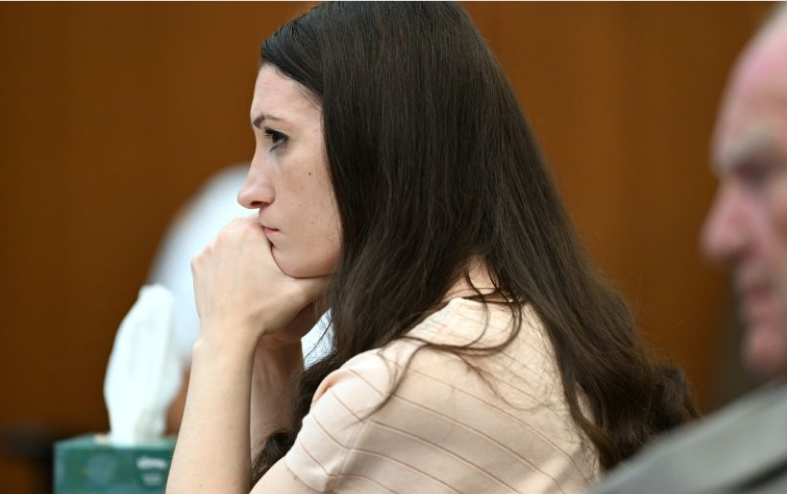
The medication history of Lindsay Clancy has become one of the most closely examined parts of her murder trial.
According to testimony and evidence presented in court, 32 prescriptions were written and filled for Clancy during the four months before the deaths of her three children.
But there is an important detail behind that number:
She was not taking 32 medications at the same time.
MANY PRESCRIPTIONS. FREQUENT CHANGES.
Testimony has indicated that Clancy would begin one medication and later switch to another.
As a result, investigators found numerous partially used or apparently unused prescription bottles.
Evidence presented earlier in the trial showed, for example, that some bottles contained most of their original pills. One prescription had only a small number of tablets missing, while another appeared untouched.
That distinction is now central to the debate over what her medication history actually tells us.
WHAT WAS THE DEFENSE ARGUING?
Clancy’s defense has argued that her rapidly changing psychiatric treatment contributed to a deteriorating mental state.
Her lawyers say she was experiencing severe postpartum mental illness and that the involvement of multiple providers resulted in complicated medication management.
The defense has pointed to symptoms including severe insomnia, anxiety, depression, intrusive thoughts and worsening distress in the months before January 2023.
The defense also argues that Clancy was suffering from postpartum psychosis and that medication and inadequate treatment played a role in her condition.
 PROSECUTORS SEE THE EVIDENCE DIFFERENTLY
The prosecution has emphasized that a large number of prescriptions does not necessarily mean Clancy was simultaneously taking all of them.
They have also presented evidence intended to support their argument that her actions were deliberate.
That leaves jurors with two competing interpretations.
Was the medication history evidence of a desperate search for effective psychiatric treatment?
Or does the prescription count tell a much less dramatic story once the medications actually taken are separated from prescriptions merely filled?
THE MENTAL-STATE QUESTION
This trial is not simply about whether Clancy killed her children.
Both sides acknowledge the deaths.
The central legal dispute is whether she was criminally responsible for her actions.
The defense says severe mental illness prevented her from understanding the wrongfulness of what she was doing.
Prosecutors argue that the evidence shows planning and intentional conduct.
That is why every prescription, medical appointment, message and reported symptom is being examined so closely.
 WHAT HAPPENS NEXT?
Testimony is expected to continue with additional prosecution witnesses before the defense presents its own witnesses.
The medication evidence will likely remain important as both sides attempt to explain what was happening to Clancy in the months and days before January 24, 2023.
32 PRESCRIPTIONS WERE WRITTEN AND FILLED.
THEY DID NOT REPRESENT 32 MEDICATIONS TAKEN SIMULTANEOUSLY.
HER MENTAL HEALTH TREATMENT IS A CENTRAL ISSUE AT TRIAL.
THE DEFENSE AND PROSECUTION OFFER VERY DIFFERENT INTERPRETATIONS OF WHAT THE MEDICAL HISTORY MEANS.
And perhaps the most important question for the jury is not simply:
“How many prescriptions were there?”
It is:
“What was actually happening to Lindsay Clancy — medically and psychologically — during those final months?”
Independent commentary based on courtroom testimony and current reporting. Allegations and competing interpretations presented at trial should not be treated as established findings until the case is resolved.