ISABELLE WELSH: THE FINAL WEEKS BEFORE HER DEATH RAISE HAUNTING SAFEGUARDING QUESTIONS
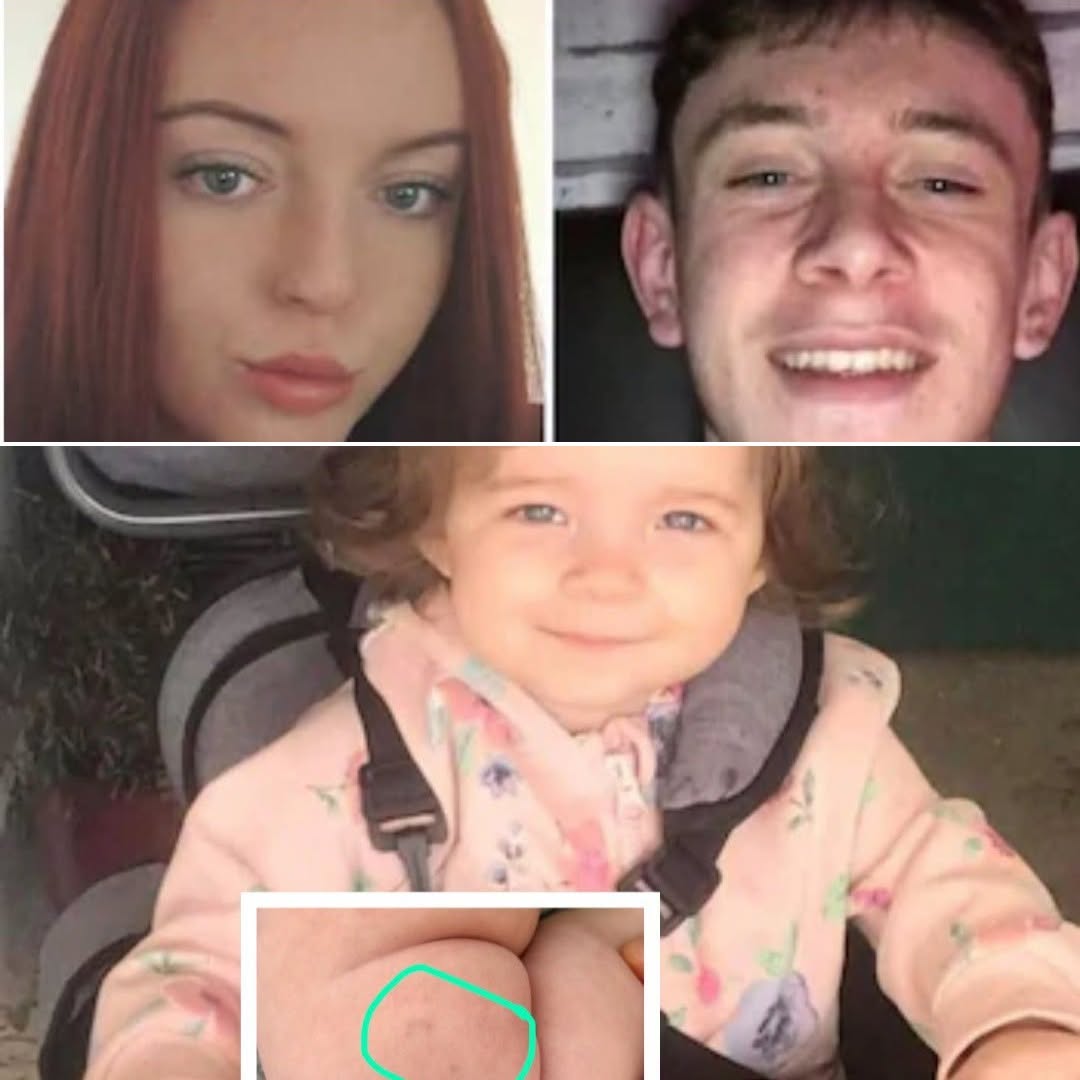
ISABELLE WELSH: THE FINAL WEEKS BEFORE HER DEATH RAISE HAUNTING SAFEGUARDING QUESTIONS
Two-year-old Isabelle Welsh should have been safe at home.
Instead, she suffered weeks of serious abuse before a catastrophic head injury claimed her life in September 2025.
Her mother, Alexandra Walker, and her boyfriend, Harrison Simpson, have now been convicted of murder and child cruelty and sentenced to life imprisonment.
But the end of the trial has opened another painful question:
Could more have been done to protect Isabelle before it was too late?
TWO SAFEGUARDING CONTACTS — AND NO FURTHER ACTION
According to Social Care Today, safeguarding services had contact with Isabelle and her mother twice during the four weeks before her death.
Neither contact resulted in further action.
Even more troublingly, a health visitor checked on Isabelle just four days before she died, but the check was conducted by telephone rather than through a visit to the family home.
The prosecution later told the court that, without seeing Isabelle or checking her welfare in person, the health visitor concluded there were no concerns.
WHAT HAPPENED TO ISABELLE?
The evidence revealed a devastating pattern.
Isabelle had suffered 21 broken bones and extensive bruising during the weeks before her death.
She eventually collapsed at the family home in Thornaby and died after suffering a catastrophic head injury.
The jury ultimately convicted Simpson of murder, sexual assault and child cruelty, while Walker was convicted of murder and child cruelty.
 POLICE ALSO FACED QUESTIONS
Scrutiny has not been limited to social services.
Cleveland Police admitted that officers failed to execute an arrest warrant issued for Simpson in March 2024, after he failed to appear in court over a breach of a non-molestation order.
That warrant remained outstanding until his eventual arrest in connection with Isabelle’s murder.
The force acknowledged that the length of time he remained wanted was inadequate and said it subsequently introduced changes to improve oversight of outstanding warrants.
 THE REVIEW SAID THE SAFEGUARDING DECISIONS WERE “APPROPRIATE”
There is an important complication.
Following Isabelle’s death, a safeguarding partnership carried out a rapid review.
According to Social Care Today, that review concluded that the decision not to progress the earlier contacts had been appropriate with hindsight.
That does not erase the questions now being asked.
Instead, it highlights the difficult issue at the heart of safeguarding:
When warning signs are individually explainable, how can professionals recognise when they form a much more dangerous pattern?
ISABELLE DESERVED A FUTURE
Cleveland Police’s lead investigator described the case as one of the worst his team had dealt with.
Following the convictions, he urged both the public and professionals to report concerns about vulnerable children, stressing that people can help give a voice to children who cannot protect themselves.
Isabelle cannot be brought back.
But the questions surrounding the final weeks of her life may still matter for other children.
21 BROKEN BONES.
TWO SAFEGUARDING CONTACTS BEFORE HER DEATH.
A HEALTH-VISITOR CHECK FOUR DAYS BEFORE SHE DIED.
AN ARREST WARRANT THAT REMAINED OUTSTANDING FOR MONTHS.
AND A LITTLE GIRL WHO NEVER GOT THE SAFE FUTURE SHE DESERVED.
The court has delivered its verdict.
Now the harder question is what can be learned from the warning signs that came before it.
Independent commentary based on publicly reported court, police and safeguarding information. The safeguarding decisions are subject to the findings of the relevant reviews.