LINDSEY CLANCY TRIAL: PSYCHOLOGIST TESTIFIES ABOUT VOICES, PSYCHOSIS AND HER MENTAL STATE
- ThanhThuy
- August 19, 2026
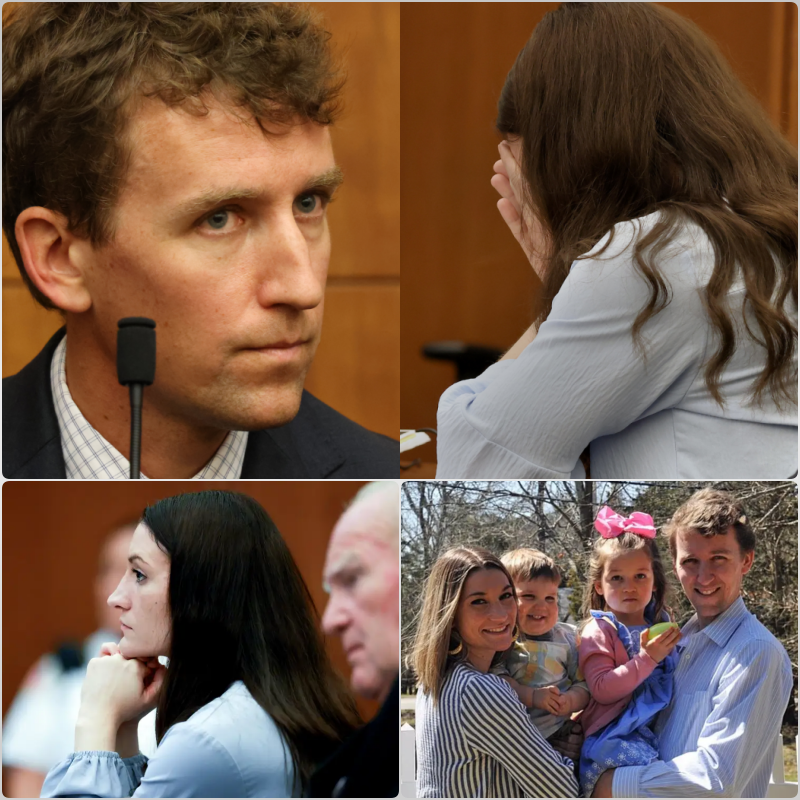
LINDSEY CLANCY TRIAL: PSYCHOLOGIST TESTIFIES ABOUT VOICES, PSYCHOSIS AND HER MENTAL STATE
PLYMOUTH, MASSACHUSETTS — The Lindsey Clancy trial took another emotional turn Tuesday as jurors heard testimony about both the devastating injuries Clancy suffered and the mental-health symptoms the defense says she experienced around the time her three children died.
The testimony offered jurors two very different perspectives: the physical aftermath of the tragedy and the psychological state at the center of the defense.
 FORENSIC PATHOLOGIST DESCRIBES CLANCY’S INJURIES
Forensic pathologist Dr. Elizabeth Laposata testified about the injuries Clancy sustained after she went through a second-story window.
She described severe injuries involving Clancy’s spine, spinal cord, ribs, neck and vocal cords, and told jurors she believed Clancy went through the window head-first.
Laposata also reviewed the autopsies of Clancy’s three children and discussed the injuries associated with their deaths.
The testimony was difficult for those inside the courtroom, with Clancy visibly emotional as details were presented.
DEFENSE TURNS TO PSYCHOSIS
The testimony then shifted dramatically when the defense called psychologist Paul Zeizel.
Zeizel told jurors that Clancy had been experiencing serious psychological symptoms and had repeatedly sought help.
According to his testimony, she experienced depression, dissociation and hallucinations.
He also described what he said were episodes in which Clancy believed other people could hear her thoughts.
 “A VOICE IN HER HEAD”
One of the most striking moments came when Zeizel testified about what Clancy allegedly told him regarding the period surrounding the deaths.
According to his testimony, Clancy said that a voice in her head told her she had to kill her children and then herself.
Zeizel said he allowed Clancy to use his phone to call her husband afterward, describing the decision as an act of “human compassion.”
The testimony is central to the defense’s effort to show that Clancy’s mental state was severely impaired.
PSYCHOSIS DOESN’T ALWAYS LOOK THE WAY PEOPLE EXPECT
Zeizel also explained to jurors that psychosis can fluctuate.
A person experiencing hallucinations can sometimes still hold a seemingly normal conversation or carry out ordinary activities, he testified.
He said Clancy experienced auditory hallucinations rather than visual hallucinations.
That point could become particularly important as jurors consider whether Clancy’s behavior before and after the deaths necessarily reflected an absence of severe mental illness.
AN EMOTIONAL COURTROOM
The courtroom became visibly emotional during the testimony.
Clancy cried as jurors heard descriptions of her injuries and the deaths of her children.
The testimony from the defense is now placing the central question of the trial directly before the jury:
What was happening inside Clancy’s mind when the children died?
THE DEFENSE’S CASE IS TAKING SHAPE
The defense appears to be building its argument around the claim that Clancy was experiencing a serious psychiatric episode, potentially involving psychosis, when the killings occurred.
The prosecution, meanwhile, has presented its own evidence and will have the opportunity to challenge the defense’s interpretation of Clancy’s mental state.
Ultimately, jurors—not the witnesses—will decide how much weight to give the psychological testimony.
THE QUESTION THAT COULD DEFINE THE TRIAL
Was Lindsay Clancy suffering from a severe psychiatric disorder that affected her ability to understand or control her actions?
That question is now becoming one of the most consequential issues in the courtroom.
The defense is asking jurors to look beyond the horrific outcome and examine what was happening inside Clancy’s mind in the days leading up to it.
The testimony continues to unfold, and the jury will ultimately have to weigh the medical, forensic and psychological evidence before reaching a verdict.
The statements concerning Clancy’s mental state are testimony presented by a defense witness and do not constitute a judicial finding. Clancy is presumed innocent unless and until proven guilty.