Too Many Men With Cancer Are Waiting Until Crisis Point to Ask for Help

For Marcus Grodentz, a diagnosis of incurable prostate cancer turned ordinary life into fear almost overnight.
The 74-year-old South Wales father of two was diagnosed in 2023. In the weeks that followed, he felt overwhelmed and wanted to withdraw from everything around him. It was his wife who eventually persuaded him to try a men’s cancer support group in Cardiff.
He was reluctant. But after his first meeting, his wife immediately noticed a change.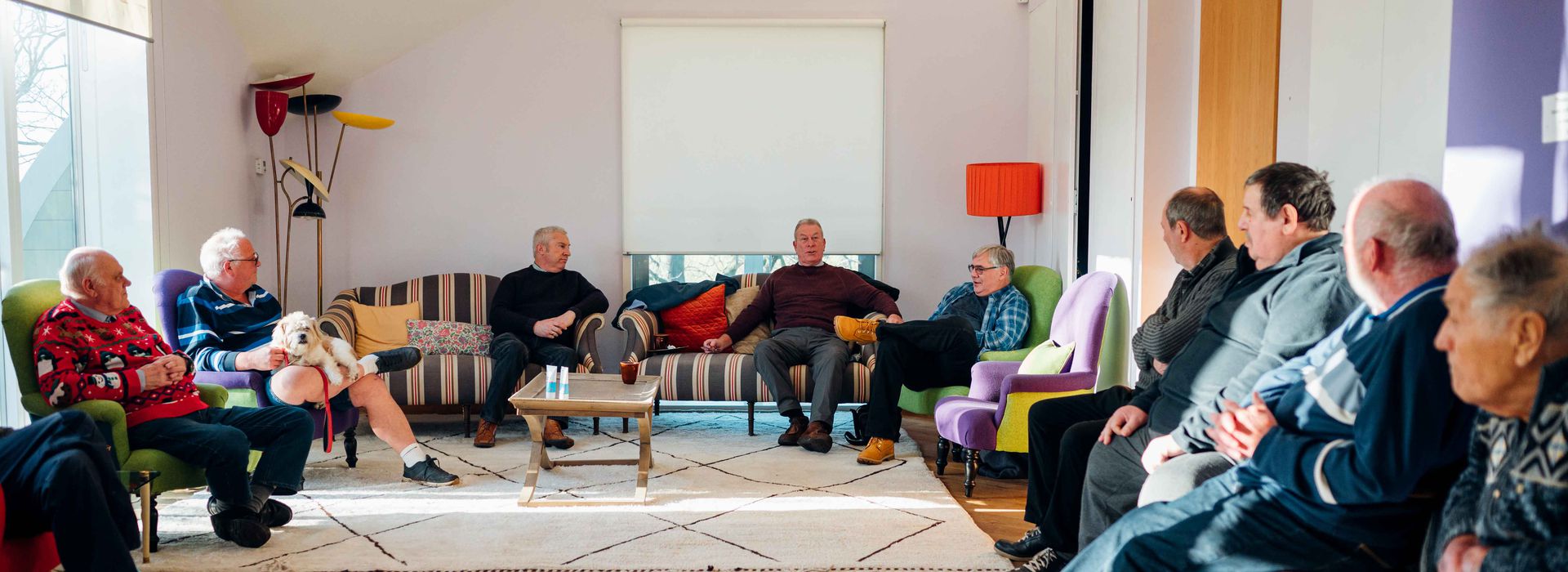
Marcus’ experience reflects a wider problem highlighted by new figures on cancer support in the U.K.: men are still substantially less likely than women to seek emotional and practical help after a cancer diagnosis — and many who eventually do reach out are already living with incurable disease.
Men accounted for only 36% of visits to cancer support centers in 2024, even though males represent a slightly higher share of U.K. cancer cases than females. Of the men who did seek support, 37% were living with incurable cancer, compared with 31% of women.
The gap becomes even clearer when looking at psychological care. Among 14,288 sessions delivered by clinical psychologists during the year, just 29% were attended by men.
A survey of 500 men living with cancer also revealed some of the barriers behind those numbers. Forty-two percent said they had not sought support after their diagnosis. Twenty-one percent did not want to discuss their feelings, while 14% said embarrassment prevented them from asking for help. 
There are, however, signs that attitudes may be beginning to shift.
Visits by men increased 12% in a year. Participation in some male-focused services rose sharply, including a 14-fold increase in androgen workshop attendance and a 250% rise in men joining a course focused on living well with prostate cancer. Attendance by men at sessions designed for people preparing to begin chemotherapy or radiotherapy also climbed 162%.
For Marcus, finding other men facing similar fears made an enormous difference.
He continues to undergo hormone therapy and deals with exhaustion, hot flashes, mood changes and periods of deep loneliness. Yet the group gave him something his diagnosis had taken away: the feeling that he did not have to carry everything by himself.
As he described it, the men had effectively become members of a club nobody wanted to join — but one in which they could face the experience together.