UNDERSTANDING MONGOLIAN SPOTS: HARMLESS BIRTHMARKS IN INFANTS
UNDERSTANDING MONGOLIAN SPOTS: HARMLESS BIRTHMARKS IN INFANTS
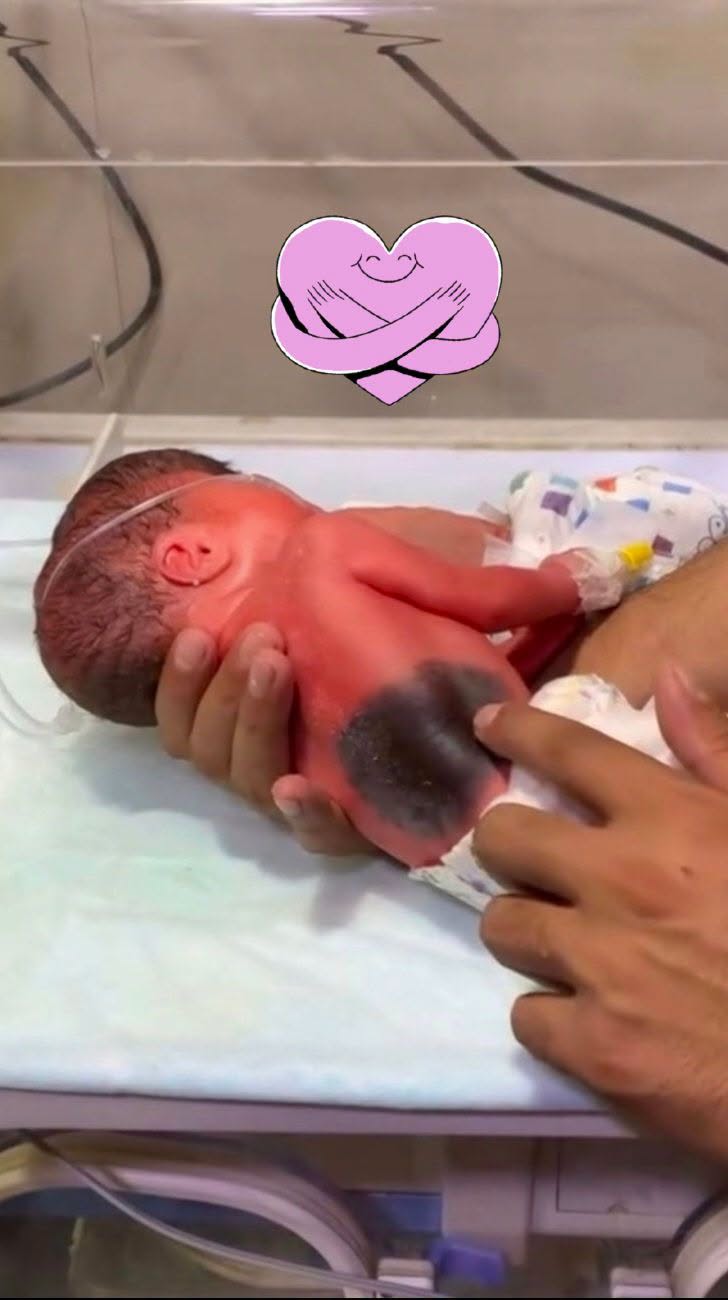
Mongolian spots, medically known as dermal melanocytosis, are a common type of benign birthmark frequently observed on newborns and young children. These markings typically appear as flat, bluish-gray, slate-colored, or dark patches with soft, irregular borders. While they can occasionally develop on the shoulders, arms, or back, they are most commonly located on the lower back and buttocks region.
These distinct skin markings occur naturally during fetal development. They are caused by pigment-producing cells, known as melanocytes, that remain trapped deep within the dermal layer of the skin instead of migrating up toward the outer surface layer. When light interacts with these deeply embedded pigment cells, it creates a characteristic bluish appearance through an optical effect known as the Tyndall effect.
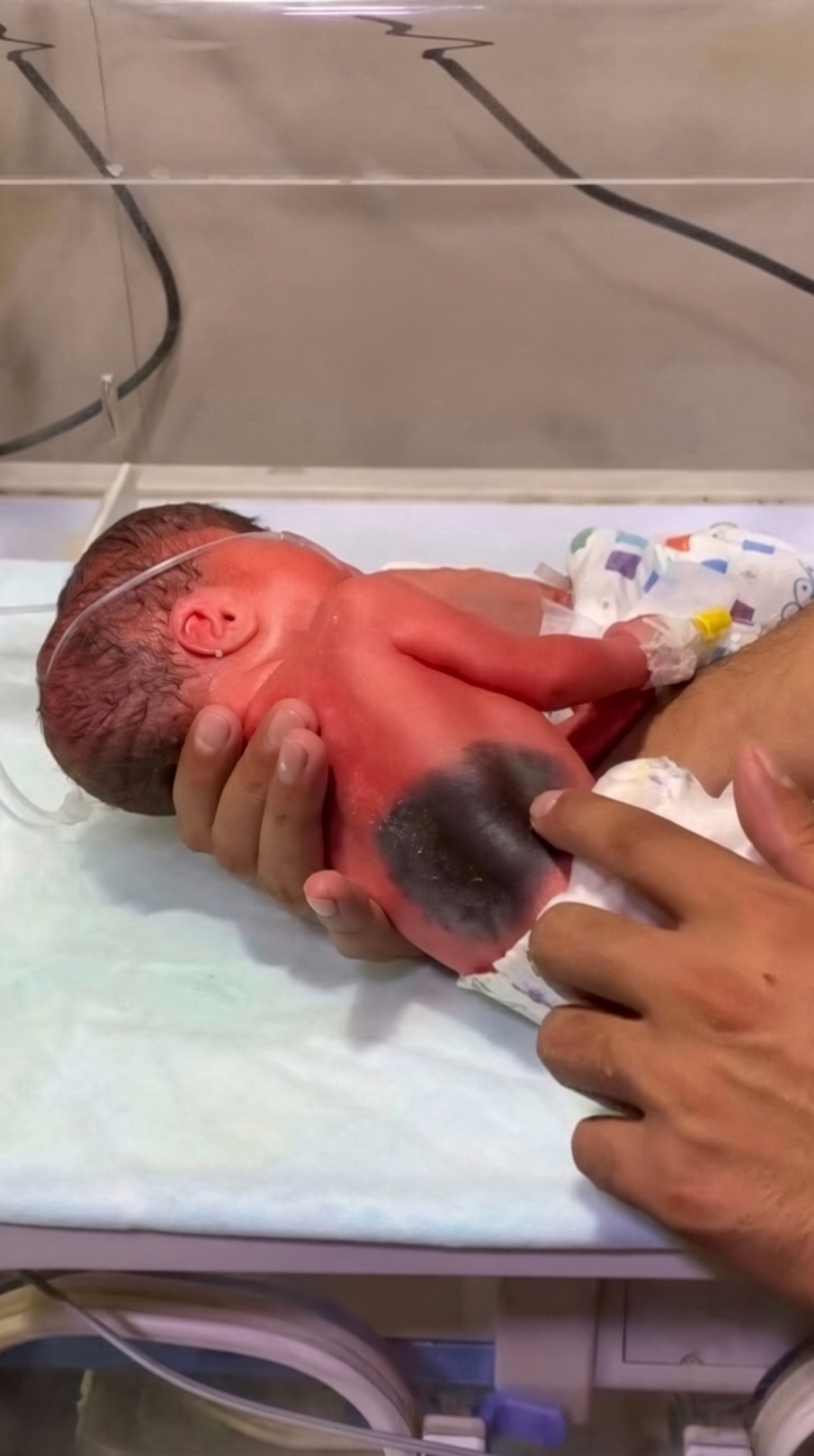
It is important for parents and caregivers to know that Mongolian spots are completely harmless and non-cancerous. They are not caused by physical trauma, injury, or illness, nor are they contagious or painful to the child. Because they represent a simple variance in skin pigmentation, no medical treatment, laser therapy, or topical care is required. In the vast majority of cases, these birthmarks naturally fade and disappear entirely on their own as the child grows, typically fading significantly by early childhood and completely resolving before adolescence.