LINDSEY CLANCY TRIAL: MOTHER-IN-LAW’S TESTIMONY TAKES TENSE TURN OVER CATHOLIC FAITH
LINDSEY CLANCY TRIAL: MOTHER-IN-LAW’S TESTIMONY TAKES TENSE TURN OVER CATHOLIC FAITH
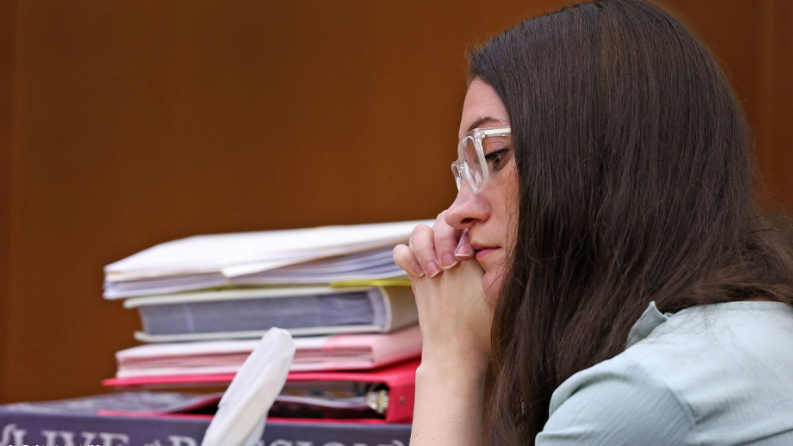
PLYMOUTH, MASSACHUSETTS — Emotional testimony from Susan Clancy, Lindsay Clancy’s former mother-in-law, took an unexpected turn Tuesday when prosecutors questioned her about her Catholic faith during cross-examination.
Susan described spending Christmas Day 2022 with Lindsay and the family, recalling breakfast together before they attended church.
She testified that Lindsay told her afterward that she was glad she had gone.
 THEN THE QUESTION CAME
Susan confirmed that she is an active Catholic.
Prosecutor Shanan Buckingham then asked whether she was aware that, in Catholic teaching, murder is considered a mortal sin.
Before Susan could answer, the defense objected.
Judge William Sullivan immediately called the attorneys to a sidebar and then instructed jurors to disregard the question.
The exchange lasted only moments—but it created one of the most striking moments of the day’s testimony.
 “SHE WAS BEGGING FOR HELP”
Susan’s testimony otherwise focused heavily on Lindsay’s deteriorating mental health in the months before the deaths of her three children.
She described Lindsay as a loving and nurturing mother who began struggling significantly after the birth of her youngest child.
Susan recalled hearing about insomnia, anxiety, loss of appetite and sadness, and said the family became increasingly concerned.
At one point, Susan described Lindsay as “begging for help.”
The defense is presenting this testimony to support its argument that Lindsay was experiencing severe psychiatric symptoms, including postpartum psychosis.
THE CENTRAL BATTLE OF THE TRIAL
Lindsay’s defense does not dispute that she killed her three children.
Instead, her attorneys argue that she was suffering from severe mental illness and therefore should not be held criminally responsible.
Prosecutors have presented a different picture, arguing that the killings were deliberate and that Lindsay understood what she was doing.
That makes testimony from people who knew Lindsay personally particularly important.
ONE QUESTION, QUICKLY STRUCK
The judge’s instruction means jurors have been told not to consider the prosecutor’s question about Catholic teaching when deciding the case.
Susan remains an important defense witness as the courtroom continues examining Lindsay’s mental state in the weeks leading up to the deaths.
The question now before the jury is not simply what happened—but what was happening inside Lindsay Clancy’s mind when it happened.
The statements concerning Lindsay’s mental state are testimony and arguments presented during trial, not findings by the court. Lindsay Clancy is presumed innocent unless proven guilty.