LINDSAY CLANCY TOLD HER CHILDREN “GO TO GOD” — PROSECUTION PSYCHIATRIST SAYS THE WORDS SHOWED SHE KNEW RIGHT FROM WRONG
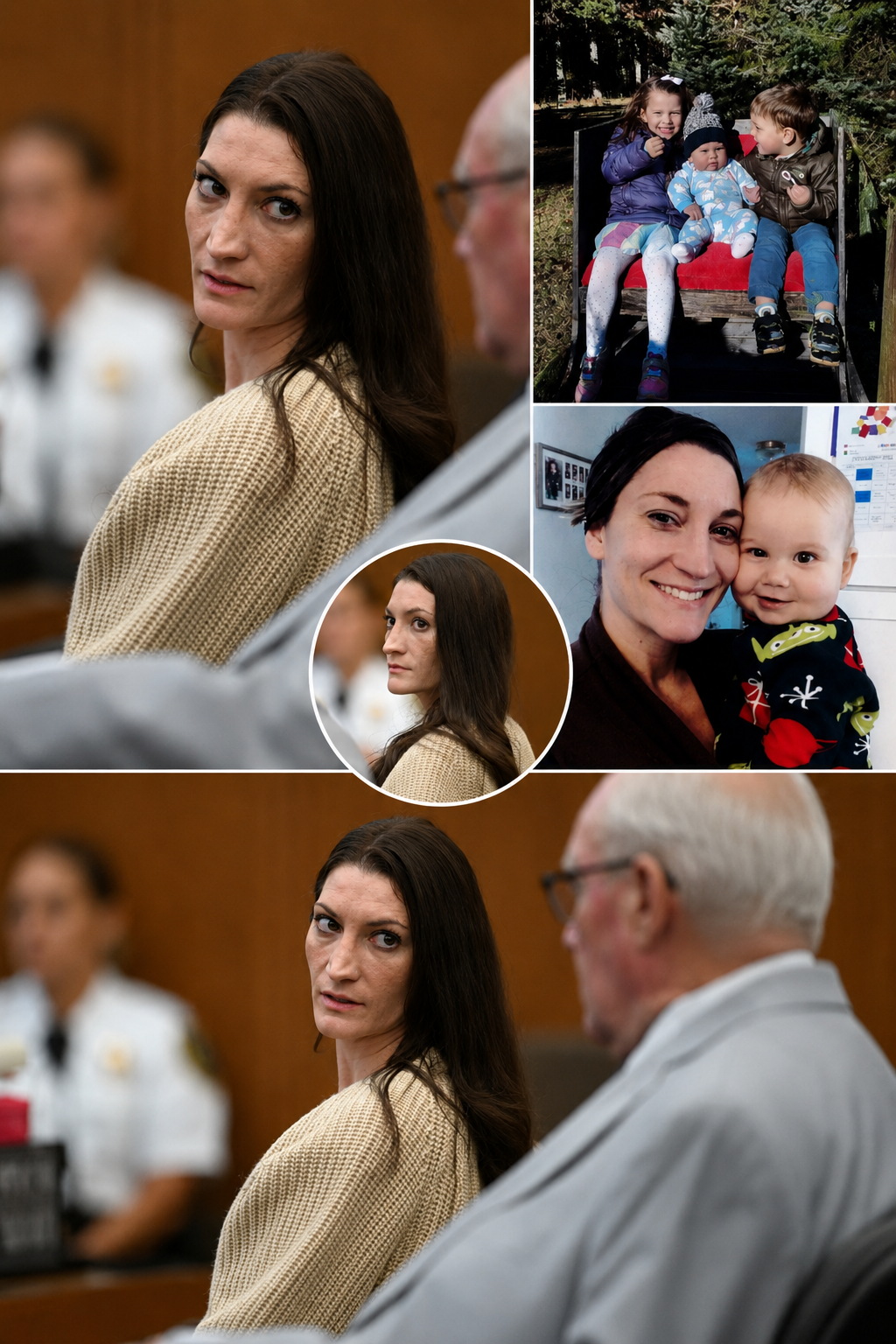
LINDSAY CLANCY TOLD HER CHILDREN “GO TO GOD” — PROSECUTION PSYCHIATRIST SAYS THE WORDS SHOWED SHE KNEW RIGHT FROM WRONG
A dramatic clash between psychiatric experts is now at the center of Lindsay Clancy’s Massachusetts murder trial, as prosecutors argue she understood the consequences of her actions while the defense maintains she was in the grip of severe postpartum psychosis.
PLYMOUTH, Mass. — The final phase of Lindsay Clancy’s trial is turning on one extraordinarily difficult question:
Was she legally responsible for the deaths of her three children — or was she so severely mentally ill that she could not understand what she was doing was wrong?
On Friday, prosecutors called forensic psychiatrist Dr. Avram Mack as a rebuttal witness after the defense rested its case.
Mack offered jurors a sharply different interpretation of Clancy’s mental state from the defense’s expert, renowned forensic psychiatrist Dr. Phillip Resnick.
 THE WORDS THAT BECAME A KEY PIECE OF TESTIMONY
According to Mack’s testimony, Clancy described taking her children into the basement one at a time before killing them.
She told Mack that she said “Go to God” to each child.
For prosecutors, those words carry enormous significance.
Mack testified that they suggested Clancy understood that her children were innocent and that what was happening to them was wrong.
His conclusion was direct: although Clancy was suffering from major depression and anxiety, he found no evidence that she was psychotic at the time of the killings.
Instead, he characterized the killings as organized and methodical.
 THE DEFENSE PRESENTED A RADICALLY DIFFERENT PICTURE
Earlier in the trial, Dr. Phillip Resnick testified for the defense that Clancy was suffering from severe mental illness, including bipolar II disorder and postpartum psychosis.
Resnick said Clancy experienced what he described as a command hallucination — a voice that she believed ordered her to harm her children.
He testified that she believed an outside force had taken control of her body and that she was essentially acting like a puppet.
Resnick characterized the killings as “altruistic filicide,” meaning a parent kills a child while irrationally believing the act is being done for the child’s benefit.
According to his testimony, Clancy believed her children would be better off in heaven with her than living without her.
That testimony forms the heart of the defense’s argument that Clancy should not be found criminally responsible.
TWO EXPERTS — TWO COMPLETELY DIFFERENT EXPLANATIONS
The courtroom has now heard two dramatically different interpretations of the same events.
Resnick’s conclusion: Clancy was psychotic and believed a commanding voice was controlling her actions.
Mack’s conclusion: Clancy was seriously depressed but was not psychotic and retained the ability to understand right from wrong.
That disagreement could ultimately become one of the most important issues the jury must resolve.
MACK POINTED TO CLANCY’S ACTIONS BEFORE THE KILLINGS
Mack also pointed to behavior he said demonstrated Clancy retained the ability to function and make decisions.
He cited ordinary activities and interactions that occurred before the killings, arguing that they showed she could organize her behavior and make purposeful choices.
He also questioned inconsistencies between statements Clancy gave him and other evidence in the case.
The prosecution has argued that these actions demonstrate planning rather than an uncontrolled psychotic episode.
THE DEFENSE PUSHED BACK
Defense attorney Kevin Reddington challenged Mack’s conclusions during cross-examination.
Among other issues, Reddington questioned Mack about his experience treating postpartum psychosis.
Mack estimated that he had treated roughly 10 women with postpartum psychosis since 2001.
The defense also challenged his interpretation of Clancy’s psychiatric history and the limitations surrounding the diagnosis of postpartum psychosis.
That disagreement reflects one of the broader issues in the case: how clinicians should interpret severe psychiatric symptoms in women following childbirth.
CLANCY’S DEFENSE DOES NOT DISPUTE THE CHILDREN’S DEATHS
Clancy has pleaded not guilty by reason of lack of criminal responsibility.
Her attorneys have not centered their case on denying that she killed her three children.
Instead, they argue that her mental state at the time made her legally incapable of understanding the wrongfulness of her actions or controlling herself.
The three children were Cora, 5, Dawson, 3, and Callan, 8 months old.
They were found in the family’s Duxbury, Massachusetts, home in January 2023.
Clancy subsequently attempted to take her own life by jumping from a second-story window and suffered severe spinal injuries.
A TRIAL NOW CENTERED ON THE MIND — NOT JUST THE CRIME
The case has become much larger than a question of what happened inside the Duxbury home.
It has become a courtroom battle over psychiatric diagnosis, postpartum mental illness and criminal responsibility.
The defense has presented evidence suggesting Clancy was experiencing a severe psychiatric crisis.
The prosecution has attempted to demonstrate that, regardless of her depression and anxiety, she remained capable of making deliberate decisions and understanding their consequences.
That distinction could determine the outcome.
THE JURY’S DIFFICULT DECISION
Jurors will eventually have to weigh the testimony of competing experts and determine whether Clancy met the legal standard for criminal responsibility.
If convicted of first-degree murder, she could face life in prison without parole.
If the jury determines she was not criminally responsible, she would instead be committed to a state psychiatric facility under Massachusetts law.
Closing arguments are expected next week as the trial approaches its final stage.
ONE MOTHER. THREE CHILDREN. TWO RADICALLY DIFFERENT PSYCHIATRIC EXPLANATIONS.
Was Lindsay Clancy experiencing a devastating psychotic episode in which she genuinely believed a voice was commanding her?
Or was she suffering from serious depression while still understanding that her actions were wrong?
The jury — not the experts, not the headlines and not social media — will ultimately have to decide.
And the words “Go to God,” now at the center of the prosecution’s rebuttal, may become one of the most closely examined details of the entire trial