Before Spawn and Blade, Wesley Snipes Gave Michael Jai White a Career Lesson That Stayed With Him
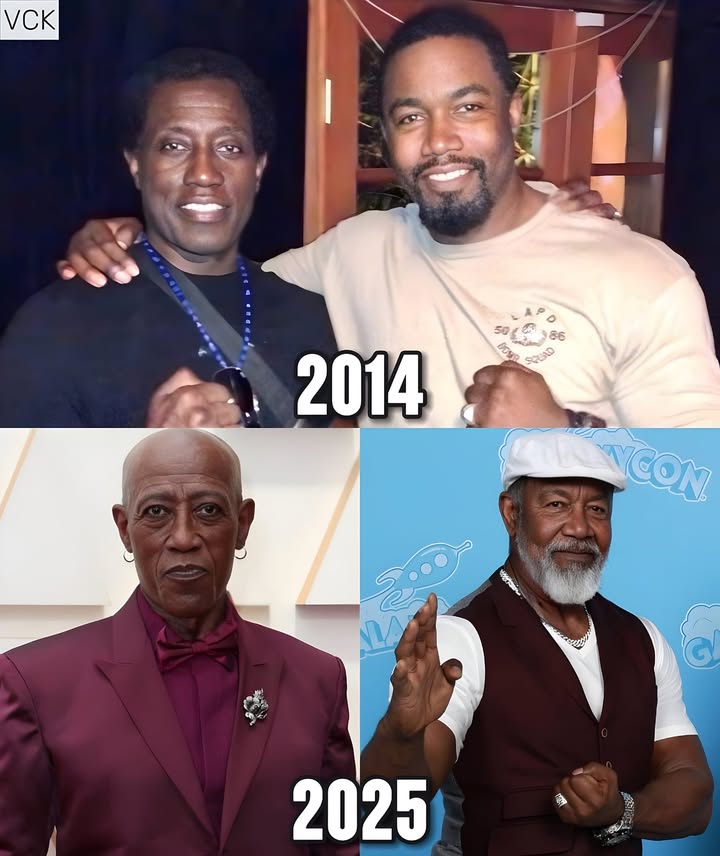
Long before Michael Jai White put on the scarred face and supernatural armor of Spawn, and before Wesley Snipes turned Blade into one of Marvel’s first successful movie heroes, the two martial artists already knew each other.
Decades later, White still remembers something Snipes told him during those earlier years.
It was not advice about throwing a better kick, choosing an agent or performing for the camera. Snipes told him to think beyond Hollywood. When one of White’s movies was being released overseas, he should go there himself, meet the audience and make the international market understand that he was willing to support the film.
White listened.
Speaking on The Joe Rogan Experience on Feb. 18, 2026, White said he regarded Snipes as a “big brother” and credited that early lesson with helping his career considerably. His comments offered a revealing glimpse at the friendship behind two actors who would eventually occupy an unusual place in superhero-movie history.
White Knew Snipes Before Their Superhero Roles Defined Them
By the time most moviegoers connected White and Snipes through Spawn and Blade, Snipes was already a recognizable Hollywood star.
His rise accelerated in the early 1990s with films including New Jack City, Jungle Fever, White Men Can’t Jump and Passenger 57. He moved easily between drama and action, and his background in dance and martial arts gave his fight scenes a physical authenticity that separated him from many conventional leading men.
In a 1998 interview with the Los Angeles Times, Snipes recalled beginning martial arts and dance training at roughly 11 or 12 years old. By the time Blade arrived, Hollywood already understood that he could convincingly carry action sequences himself.
White was following a different path.
A lifelong martial artist, he spent years taking relatively small screen roles before receiving a major opportunity in HBO’s 1995 biographical film Tyson. Playing Mike Tyson was a difficult assignment because audiences already knew the boxer’s voice, mannerisms and intimidating physical presence.
White’s performance became his breakthrough. Contemporary reviews singled him out as remarkably convincing, giving him the kind of visibility that could turn years of smaller jobs into a legitimate leading-man career.
But White has made clear that his connection with Snipes went further back.
During his 2026 conversation with Joe Rogan, White said he had known Snipes since well before Snipes became the larger-than-life figure audiences eventually recognized. He spoke about him not as a distant celebrity colleague, but as an older peer whose example mattered.
The Advice Was Surprisingly Simple
The lesson White remembered concerned a part of filmmaking audiences rarely think about: what happens after production is finished.
Snipes encouraged him to physically travel to international markets when his movies were being sold or released there.
“Show up in those overseas markets,” White recalled Snipes telling him.
The idea was simple. An actor should not assume the job ends when cameras stop rolling. If people in another country are investing in your films, show them that you are willing to invest your own time in them.
White said he “took that to heart” and that the approach helped him “a great deal” professionally.
For an action performer, the advice made particular sense.
Martial-arts films often cross language barriers more easily than dialogue-heavy productions, and both actors ultimately built careers with substantial international audiences. White would go on to work across superhero films, martial-arts movies, studio productions and independently financed action projects.
Snipes understood that global appeal firsthand.
When Blade opened in the United States on Aug. 21, 1998, it eventually earned about $70 million domestically and another $61 million internationally, reaching roughly $131 million worldwide. Nearly half of its theatrical revenue therefore came from outside the domestic market.
The numbers make the advice White remembered decades later feel considerably less like a casual suggestion and more like a lesson in how an action career could survive beyond one studio or one country.
Then Came Spawn
White’s place in comic-book movie history arrived first.
Released on Aug. 1, 1997, Spawn adapted Todd McFarlane’s enormously popular comic and cast White as Al Simmons, an assassin who is betrayed, killed and returned as the supernatural antihero Spawn.
The movie was visually ambitious for its era and critically divisive, but White’s casting represented an important milestone. His performance is widely recognized as the first time a Black actor portrayed a major established comic-book superhero as the title character of a major Hollywood feature.
The film earned approximately $87.9 million worldwide, including nearly $33 million internationally.
White has remained proud of what that representation meant even while being candid over the years about his dissatisfaction with aspects of the finished movie.
At the time, however, nobody knew that another Black martial artist was only one year away from delivering an even more influential comic-book performance.
Snipes Turned Blade Into Something Bigger
Blade arrived in 1998 at a moment when Marvel’s movie reputation was nothing like the juggernaut it would become.
Snipes played Eric Brooks, the half-human vampire hunter, as a controlled, intimidating warrior dressed in black leather and armed with swords, firearms and martial arts. He was also a producer on the film, giving him a stake in shaping the character beyond simply appearing in costume.
The movie became a commercial success and eventually produced two sequels. In retrospect, it is frequently cited as an important bridge between the uneven comic-book adaptations of the 1990s and the superhero boom that followed with films such as X-Men and Spider-Man.
That makes the chronology striking.
White became Spawn in 1997.
Snipes became Blade in 1998.
Before either performance became part of superhero history, one actor had already been helping the other think about how to build a career that stretched far beyond American theaters.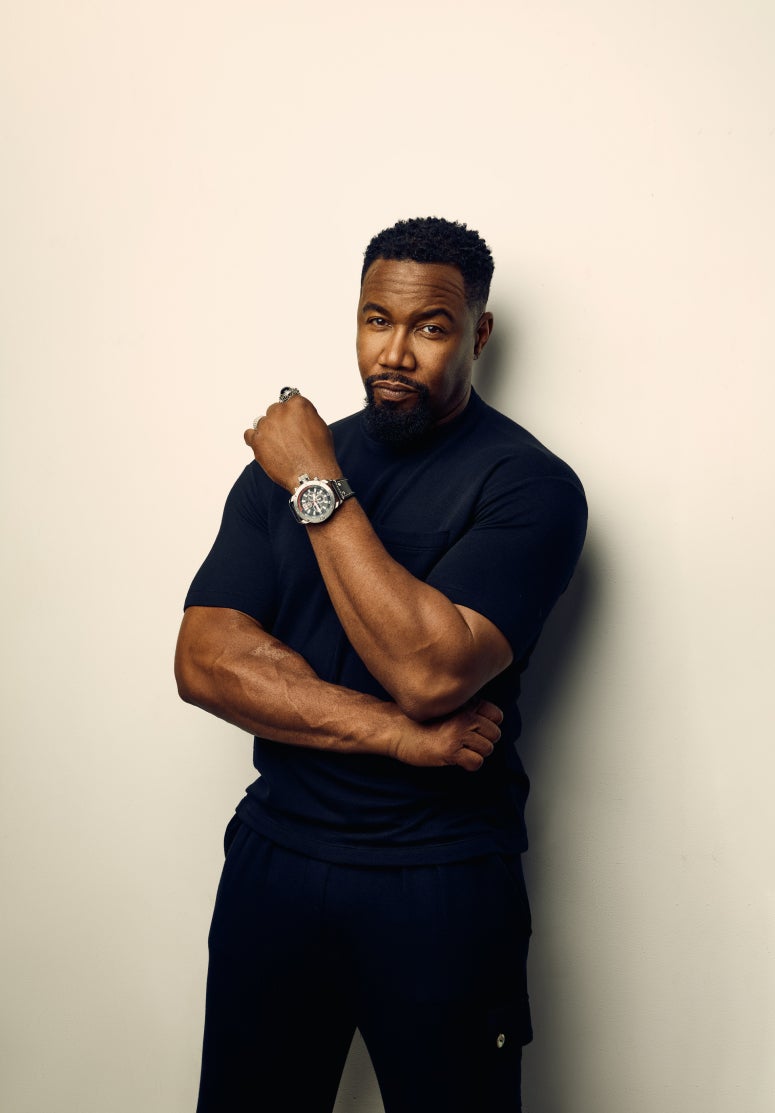
Decades Later, White Still Calls Him a Big Brother
What perhaps stood out most in White’s 2026 interview was the affection behind the story.
White described himself as protective of friends and said he had sometimes worried about people surrounding Snipes. Whatever difficulties Snipes experienced over the years, White said he had no interest in publicly tearing him down.
Instead, he described him simply as a “big brother.”
“If not for him, it may not be for me,” White said while explaining the respect he still carries for Snipes. He also revealed that he had recently tried to contact him just to check in and said he wanted to see his friend thriving again.
Snipes’ connection to Blade, meanwhile, has proved extraordinarily durable.
In 2024, he unexpectedly reprised the character in Deadpool & Wolverine, more than 25 years after his first appearance. Guinness World Records subsequently recognized him for the longest career as a live-action Marvel character — 25 years and 340 days — as well as the longest gap between appearances as a Marvel character.
For White, though, Snipes’ importance clearly extends beyond records, box-office totals or superhero nostalgia.
Before Spawn and Blade became characters audiences would still be discussing decades later, Snipes gave a fellow actor a practical piece of advice: go where the audience is, show them that they matter and never assume success in Hollywood alone is enough.
White followed it.
Nearly three decades after Spawn and Blade changed both men’s careers, he still remembers who told him.