LUCY LETBY: WHERE IS SHE NOW — AND WHY HER CASE IS STILL UNDER SCRUTINY
- ThanhThuy
- August 26, 2026
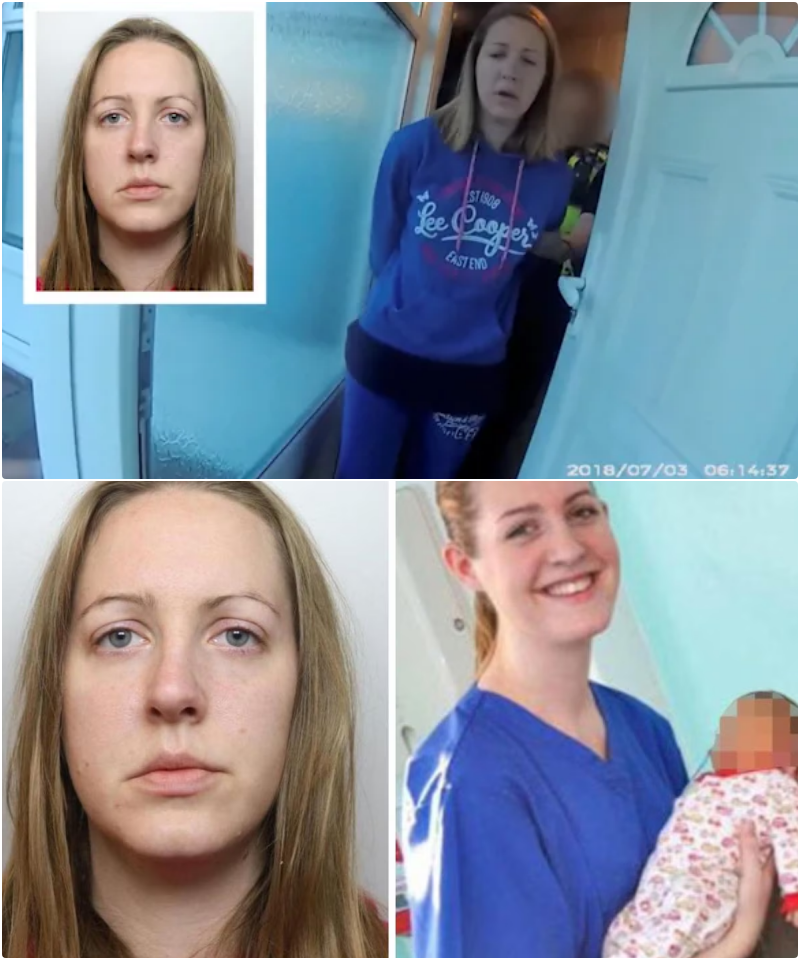
LUCY LETBY: WHERE IS SHE NOW — AND WHY HER CASE IS STILL UNDER SCRUTINY
Three years after Lucy Letby was convicted in one of the U.K.’s most notorious criminal cases, the former neonatal nurse remains behind bars — while her legal team continues to challenge the evidence used to convict her.
Letby was convicted in 2023 of murdering seven babies and attempting to murder six others while working at the Countess of Chester Hospital between 2015 and 2016. A retrial in 2024 resulted in another attempted-murder conviction, bringing her total to 15 whole-life orders.
She has always maintained her innocence.
And despite the continuing controversy surrounding the case, her convictions have not been overturned.
 WHERE IS LUCY LETBY NOW?
Letby is currently serving her sentence in HMP Bronzefield, a high-security women’s prison in Surrey, according to recent reporting. Earlier reports had said she was held at HMP Low Newton in County Durham.
Her whole-life orders mean she is expected to spend the rest of her life in prison unless her convictions or sentences are successfully changed through the legal process.
The sentence followed her conviction for murdering seven infants and attempting to murder additional babies in her care.
HER LEGAL FIGHT IS NOT OVER
Although Letby’s first attempts to challenge her convictions at the Court of Appeal were unsuccessful, her legal team has continued pursuing other avenues.
In February 2025, the Criminal Cases Review Commission confirmed that it had received an application concerning Letby’s convictions.
In January 2026, the CCRC said it had received further submissions and expert reports and that its review was underway. The commission stressed that it does not decide whether someone is innocent or guilty; its role is to determine whether a case should potentially be referred back to an appeal court.
That distinction is crucial.
A CCRC review does not mean Letby’s convictions have been overturned — they remain in force.
WHY THE MEDICAL EVIDENCE HAS BECOME A MAJOR FOCUS
The case has attracted renewed scrutiny because the prosecution relied heavily on medical evidence to explain how some of the babies became critically ill.
Letby’s defense and outside medical experts have challenged aspects of that evidence, arguing that some of the babies’ collapses could potentially have resulted from natural causes or complications of medical care.
The debate has become particularly intense around evidence concerning alleged insulin poisoning and air embolism.
In March 2026, The BMJ reported that Professor Peter Hindmarsh, a key prosecution expert who testified about insulin evidence, had been under investigation by the General Medical Council over fitness-to-practise concerns while he was giving evidence at Letby’s trial.
That development has added another layer to the ongoing debate over how the medical evidence was presented and evaluated.
However, it is important to distinguish criticism of evidence from a legal finding that the convictions are unsafe.
No such finding has been made.
 THE COURT OF APPEAL HAS ALREADY REJECTED LETBY’S CHALLENGES
Letby’s legal team previously argued that parts of the prosecution’s expert evidence should not have been admitted and challenged other aspects of the trial.
The Court of Appeal rejected those arguments.
In its 2024 judgment, the court concluded that the convictions were not rendered unsafe by the issues raised by the defense.
Letby’s subsequent legal strategy therefore focuses heavily on new evidence and new arguments, rather than simply repeating the grounds that have already been rejected.
THE CASE HAS ALSO PRODUCED A MUCH BIGGER HOSPITAL INVESTIGATION
The controversy surrounding Letby’s convictions has extended beyond the criminal trial itself.
The Thirlwall Inquiry was established to examine how concerns about babies’ deaths and collapses at the Countess of Chester Hospital were handled, including questions about the hospital’s response to concerns raised by medical staff.
The inquiry is separate from Letby’s criminal appeal and cannot itself overturn her convictions.
The wider investigation has nevertheless intensified public interest in what happened inside the neonatal unit and how concerns were handled before police became involved.
NO NEW CRIMINAL CHARGES — FOR NOW
There has also been scrutiny of other babies whose cases were reviewed after Letby’s convictions.
Recent reports say the Crown Prosecution Service decided that Letby should not face additional criminal charges relating to further infant deaths or collapses that had been examined.
Families sought a review of that decision, but an independent prosecutor reportedly upheld the CPS position.
That means the criminal case against Letby currently remains centered on the convictions already secured.
SO, WHAT HAPPENS NEXT?
The major question now is whether the Criminal Cases Review Commission will ultimately decide that there is a real possibility the convictions could be unsafe and refer the case back to the Court of Appeal.
The CCRC has made clear that its review is independent and that the process can take time because of the enormous volume and complexity of evidence involved.
Until such a referral succeeds and an appellate court changes the position, Lucy Letby remains convicted and imprisoned.
That is the legal reality despite the continuing debate among medical experts, lawyers and commentators.
THE BOTTOM LINE
Lucy Letby’s case has entered a very different phase from the courtroom drama that led to her convictions.
She remains behind bars.
Her 15 whole-life sentences remain in force.
Her convictions have not been overturned.
But her defense continues to argue that new medical evidence raises serious questions about the prosecution’s case, while the CCRC is examining those claims.
And that leaves one of Britain’s most closely watched criminal cases at a critical crossroads:
Will the new evidence be enough to reopen the case — or will Letby’s convictions ultimately remain untouched?
For now, there is no final answer.