FOUR MISSING PEOPLE FOUND DE@D IN THREE DAYS ON JEJU — POLICE SCANDAL NOW PUTS 298 CASES UNDER REVIEW
- ThanhThuy
- August 26, 2026
FOUR MISSING PEOPLE FOUND DEAD IN THREE DAYS ON JEJU — POLICE SCANDAL NOW PUTS 298 CASES UNDER REVIEW
JEJU, South Korea — A disturbing investigation on South Korea’s Jeju Island has rapidly grown into a national police scandal after four people who had previously been reported missing were found dead within just three days.
The discoveries came between Aug. 22 and Aug. 24, as authorities were already facing scrutiny over allegations that a police officer had improperly closed missing-person cases without actually confirming that the individuals were safe.
Now, investigators are reviewing 298 missing-person cases handled by the officer, raising questions about whether other families may have been given false assurances while their loved ones remained unaccounted for.
 FOUR BODIES — THREE DAYS
The first body was discovered on Aug. 22, when the remains of a man in his 60s were found in the Songdang-ri area of Jeju.
The following day, a man believed to be in his 70s was found in waters near Sinheung-ri.
On Aug. 24, authorities discovered another missing person near a valley in Aewol-eup.
Then came the discovery that has attracted the greatest attention.
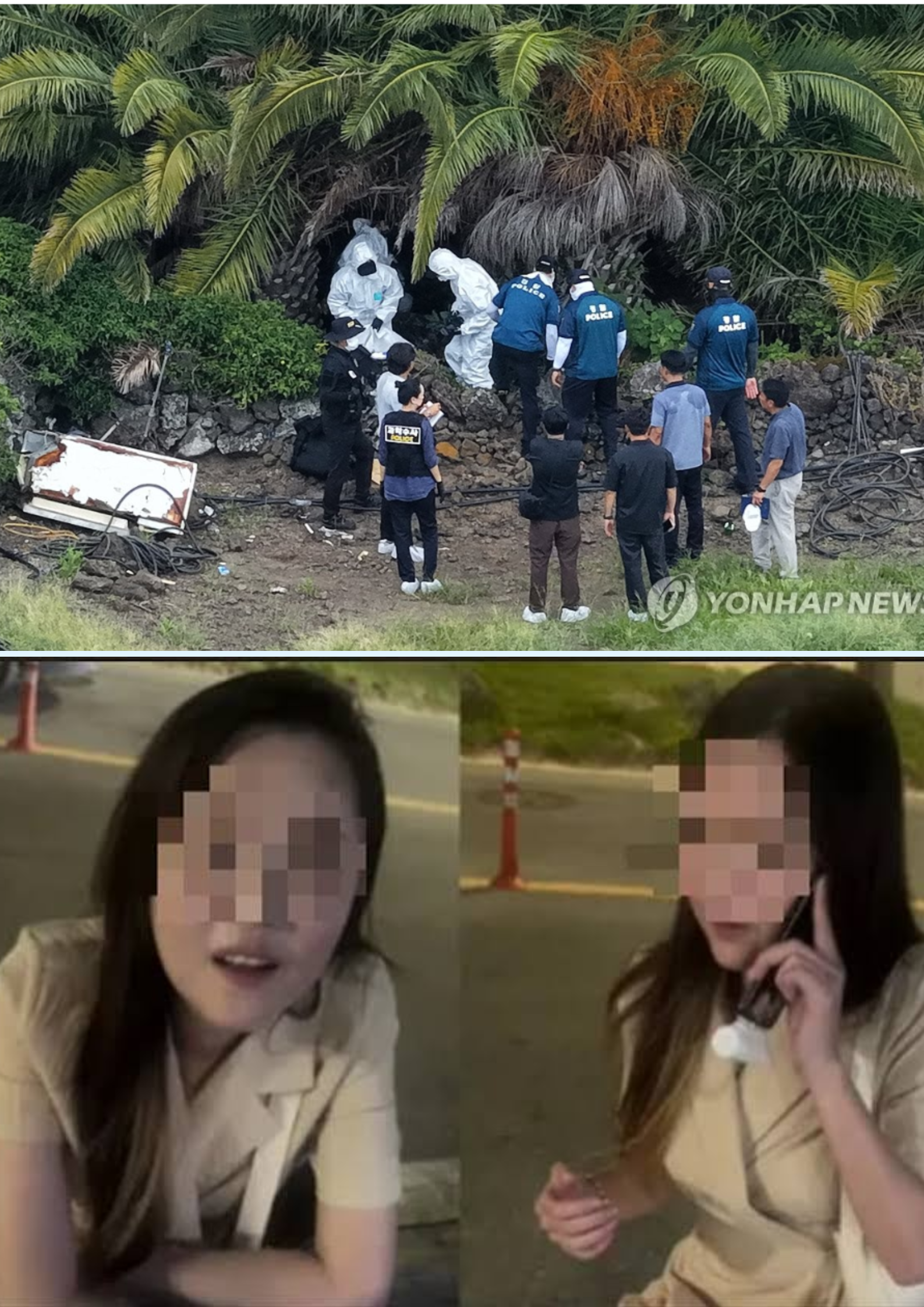
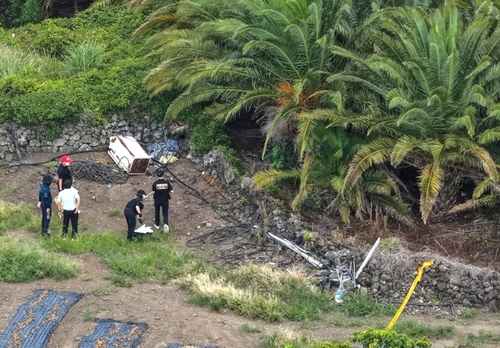
A body believed to belong to 37-year-old Jang Mi-ran was found near a palm-tree farm in Hallim-eup. Jang had disappeared more than three months earlier.
Although the four cases are being treated as separate investigations, their discovery in such a short period has intensified public concern across Jeju.
 JANG MI-RAN DISAPPEARED IN MAY
Jang was last seen leaving her accommodation in Hallim at approximately 10:15 p.m. on May 12.
Her boyfriend reported her missing three days later.
According to investigators, the officer assigned to the case allegedly told the person who reported Jang missing that he had spoken with her by phone and that she did not want her whereabouts disclosed.
The case was then reportedly closed.
But investigators later found no communication records supporting the alleged conversation.
Jang’s body was eventually found approximately 400 meters from the accommodation where she had been staying, according to reports.
That meant the woman had been missing for 104 days before search teams located her remains relatively close to the place she had last been seen.
ANOTHER MISSING CASE MAY HAVE BEEN HANDLED THE SAME WAY
Jang’s case was reportedly not the only one connected to the officer.
A man in his 60s was reported missing in early July. His family later returned to police because they still could not contact him.
The case had allegedly already been closed after the same officer recorded that the man was safe.
When the family filed another report on Aug. 21, police resumed searching.
The man’s body was found the following day.
That discovery became a major turning point in the investigation.
298 CASES ARE NOW BEING REVIEWED
Authorities say the officer handled and closed approximately 298 missing-person cases during his time with the missing-persons team.
Police are now examining those cases to determine whether any others were improperly handled.
Reuters reported that around 10 cases are already being examined for possible improper closure.
The review could therefore affect far more families than those directly connected to the two cases currently at the center of the scandal.
THE OFFICER HAS BEEN DETAINED
The officer, identified by his surname Bu, has been detained while facing allegations including dereliction of duty, falsifying official electronic records and obstructing official duties through deception.
He has denied the allegations, saying he did contact the missing people, according to Reuters.
The investigation is now examining whether records were deliberately falsified and whether proper search procedures were bypassed.
QUESTIONS ABOUT LOST TIME
One of the biggest concerns is the amount of time that may have been lost.
When a missing-person case is prematurely closed, investigators may stop searching, surveillance footage may become unavailable and other evidence can disappear.
In Jang’s case, reports indicate that CCTV footage covering the period around her disappearance was eventually deleted under normal retention rules.
That has made reconstructing her final movements considerably more difficult.
For families, those lost days can be critical.
POLICE LEADERSHIP FACES PRESSURE
The scandal has now reached South Korea’s national police leadership.
Acting National Police Commissioner Yoo Jae-seong publicly apologized and promised measures to prevent similar failures.
Police have ordered that missing-person cases cannot simply be closed without supervisory approval, while authorities work on broader changes to the case-management system.
South Korean President Lee Jae Myung has also called for greater police accountability, warning that increased police authority must be matched by increased responsibility.
FOUR DEATHS — BUT ONE MUCH BIGGER QUESTION
The discovery of four bodies in three days has understandably triggered widespread attention.
But authorities have not established that the four deaths are connected, and there is currently no confirmed evidence of a serial killer or organized criminal operation.
The central confirmed scandal is different:
Two missing-person cases were allegedly closed by the same officer without proper confirmation that the individuals were safe.
Now, nearly 300 cases connected to that officer are being reviewed.
For the families involved, the investigation could determine whether their missing-person reports were properly handled — or whether critical time was lost.
And for Jeju police, the question is no longer simply what happened to four missing people.
It is how many other families may still be waiting for answers because someone failed to do their job when it mattered most.