Dolly Parton Knew What Song She Wanted at Her Funeral — and It Wasn’t ‘I Will Always Love You’
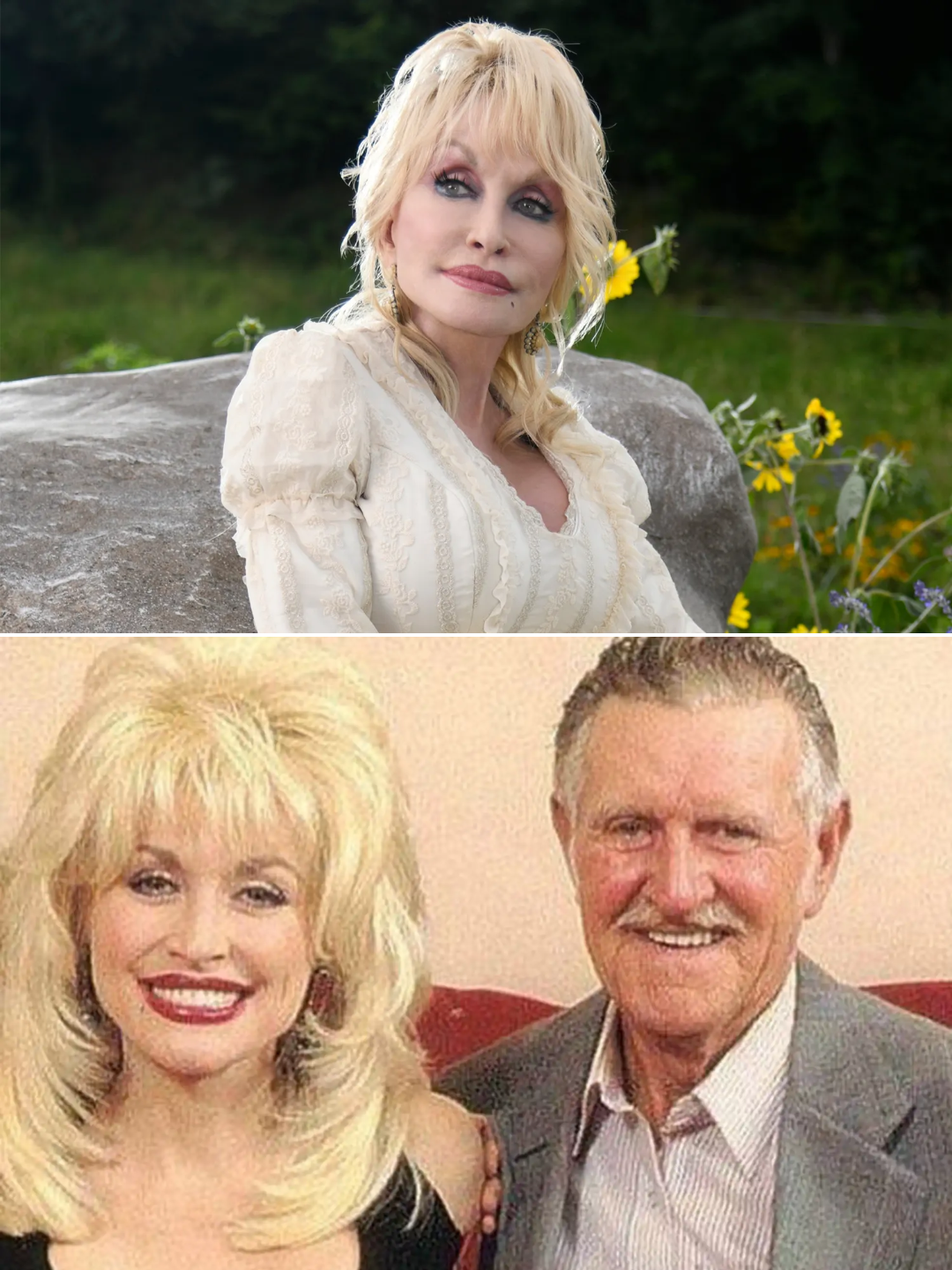
When people think about the song most closely associated with Dolly Parton saying goodbye, there is an obvious answer.
“I Will Always Love You.”
Parton wrote the song in the early 1970s as she prepared to leave her professional partnership with Porter Wagoner. Decades later, Whitney Houston transformed it into an international phenomenon with her recording for The Bodyguard.
It became one of those rare songs capable of sounding like both a farewell and a promise.
So if millions of Dolly Parton fans were asked which song she would want at her own funeral, many would probably choose it without hesitation.
Dolly herself expected people to think the same thing.
But more than a decade before her death on August 25, 2026, she revealed that another song held an even more personal meaning.
It was not one of her hits.
In fact, Dolly did not write it at all.
The song she said she wanted sung at her funeral was the old country-gospel hymn “If We Never Meet Again.”
And the reason had everything to do with her father.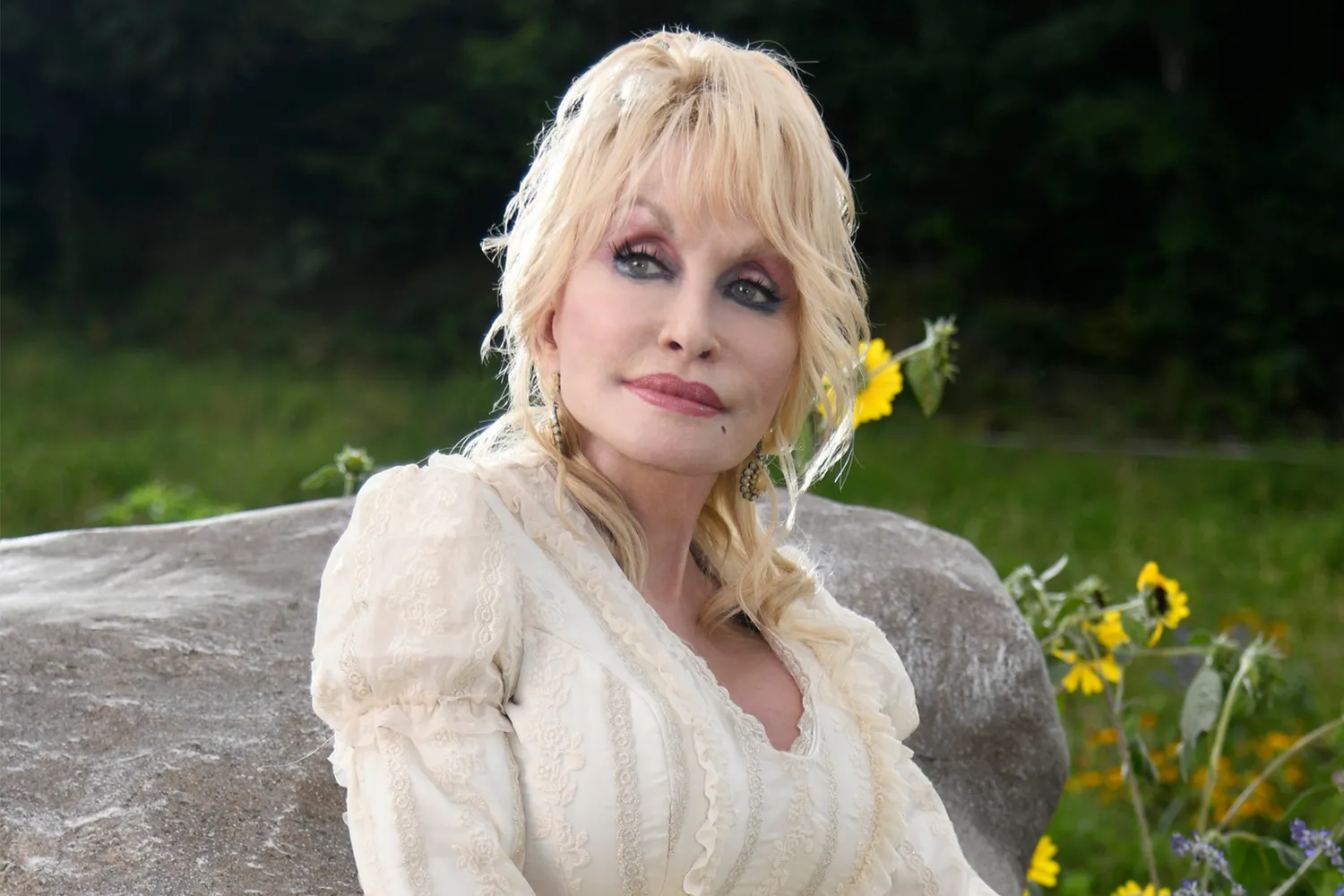
Dolly Answered the Question Back in 2014
The choice comes directly from Parton herself.
During a 2014 interview with Entertainment Weekly, Dolly was asked to provide something of a musical soundtrack to her life, answering questions about songs connected to important experiences and emotions.
Eventually, the conversation reached a subject few stars discuss so casually: her own funeral.
Parton acknowledged that “I Will Always Love You” would probably be associated with the occasion.
She had already experienced the extraordinary emotional power of hearing that song at a funeral.
When Whitney Houston died in 2012, Houston’s version of “I Will Always Love You” was played as her coffin was carried from the service.
Parton later told Entertainment Weekly that hearing it at that moment brought her to tears because it made the reality of Houston’s death suddenly feel final.
But when Dolly was asked what she personally wanted, she chose something quieter and much closer to home.
“If We Never Meet Again.”
The Song Connected Dolly to Her Father
The choice was deeply rooted in the Parton family.
“If We Never Meet Again” is an old country-gospel song about separation, faith and the hope that loved ones who part in this life will eventually be reunited.
Parton explained that it had been her father’s favorite song.
Her father, Robert Lee Parton Sr., died in 2000. When the family gathered for his funeral, they sang “If We Never Meet Again.”
Dolly never forgot that.
“That was my daddy’s favorite,” she told Entertainment Weekly, explaining that because the family had sung it at his funeral, she wanted it sung at hers as well.
That detail completely changes the meaning of the choice.
Dolly Parton had hundreds of songs of her own available to her.
She could have selected “Coat of Many Colors,” one of the most personal songs she ever wrote about her childhood.
She could have chosen “Light of a Clear Blue Morning.”
She could have picked one of the gospel songs she recorded over the course of her career.
Or she could have gone with the most obvious choice of all: “I Will Always Love You.”
Instead, she chose something that reminded her of being a daughter.
It Reflected the World Dolly Came From
To understand why that mattered, it helps to remember how often Dolly returned to her family and upbringing throughout her life.
She grew up one of 12 children in a poor family in the mountains of East Tennessee.
Long after the rhinestones, movie roles, Grammys, Dollywood and international fame arrived, Parton continued talking about those early years as the foundation of who she was.
Her father worked hard to support the family and remained one of the most important figures in her life.
Dolly often spoke admiringly about him, particularly his work ethic and pride in his children.
Her mother, Avie Lee, filled the household with stories and music. Her father represented something different: hard work, practicality and the family roots Dolly never wanted fame to erase.
That helps explain why a song associated with his funeral could carry more emotional weight than even Dolly’s own most famous compositions.
For her, a funeral song was not necessarily supposed to remind people of Dolly Parton the superstar.
It could remind them of Dolly the daughter.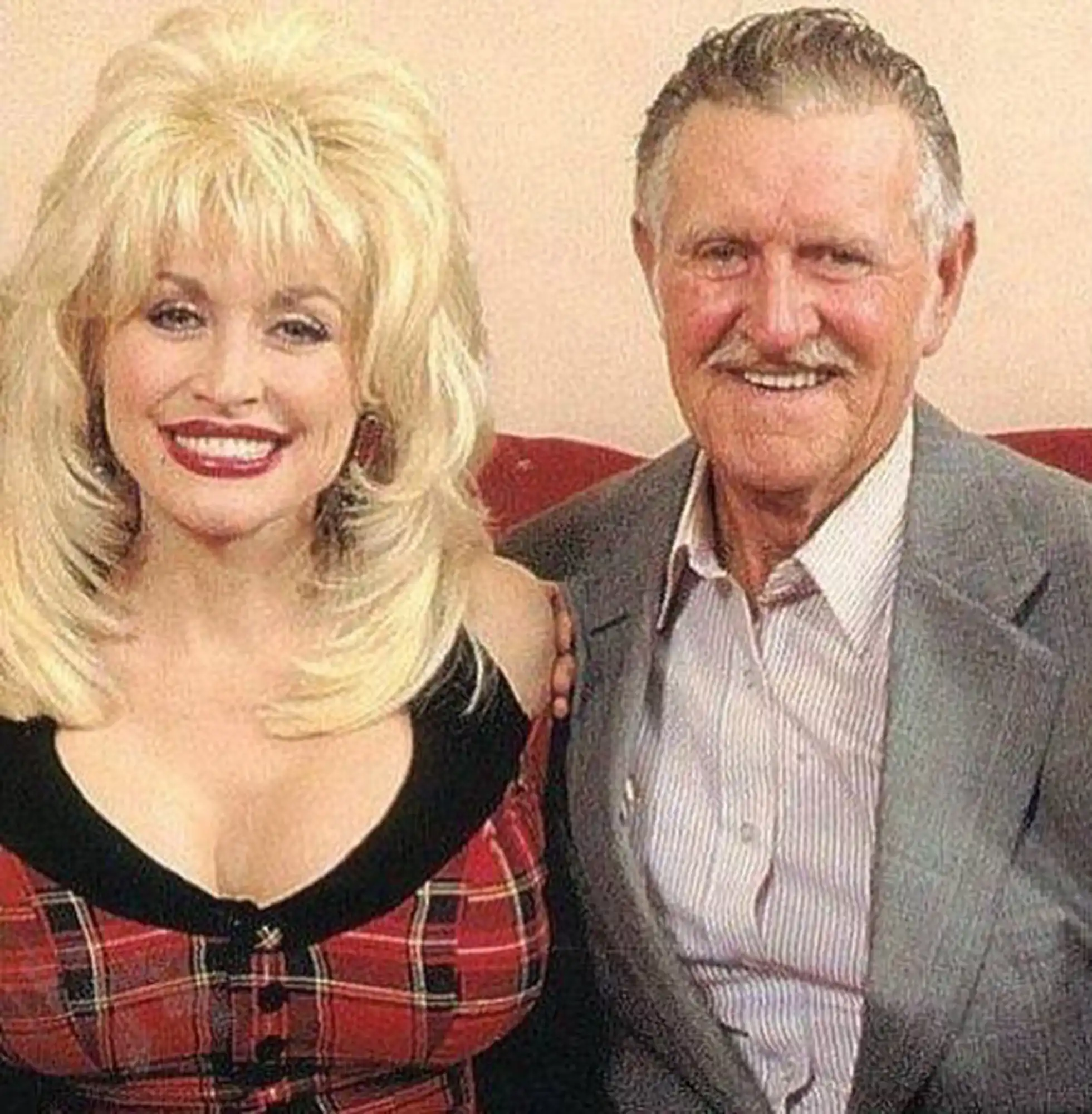
“I Will Always Love You” Was Still Part of the Story
There is an especially poignant irony in Dolly choosing another song because she knew perfectly well what would probably happen after she died.
People would play “I Will Always Love You.”
She effectively predicted it.
The song had long since grown beyond the circumstances in which she originally wrote it.
Dolly composed “I Will Always Love You” as she prepared to leave The Porter Wagoner Show and establish herself independently. It was not originally written as a funeral song.
But its message of loving someone while accepting separation made it adaptable to moments of enormous grief.
Houston’s version made that emotional association even stronger.
After Parton’s death at 80 on August 25, tributes around the world naturally returned to the song. CNN’s coverage of her death even used its title while discussing the enormous affection audiences felt for her.
Yet Parton’s 2014 interview shows the difference between the song the world might choose for Dolly and the song Dolly chose for herself.
The Funeral Was Always Meant to Be Personal
That distinction also fits what has been reported about Parton’s plans for her funeral.
Following her death, her family said the service would be small and private, limited to immediate family members. Her family also asked people who wished to honor her to support Dolly Parton’s Imagination Library rather than send flowers.
For a woman who lived one of the most public lives imaginable, the final farewell was never supposed to become another enormous production.
That makes “If We Never Meet Again” feel especially fitting.
It is not the song tourists automatically connect with Dollywood.
It is not the song casual fans know from the radio.
It is not the performance most likely to appear at the top of a Dolly Parton greatest-hits collection.
It belongs to a more private story.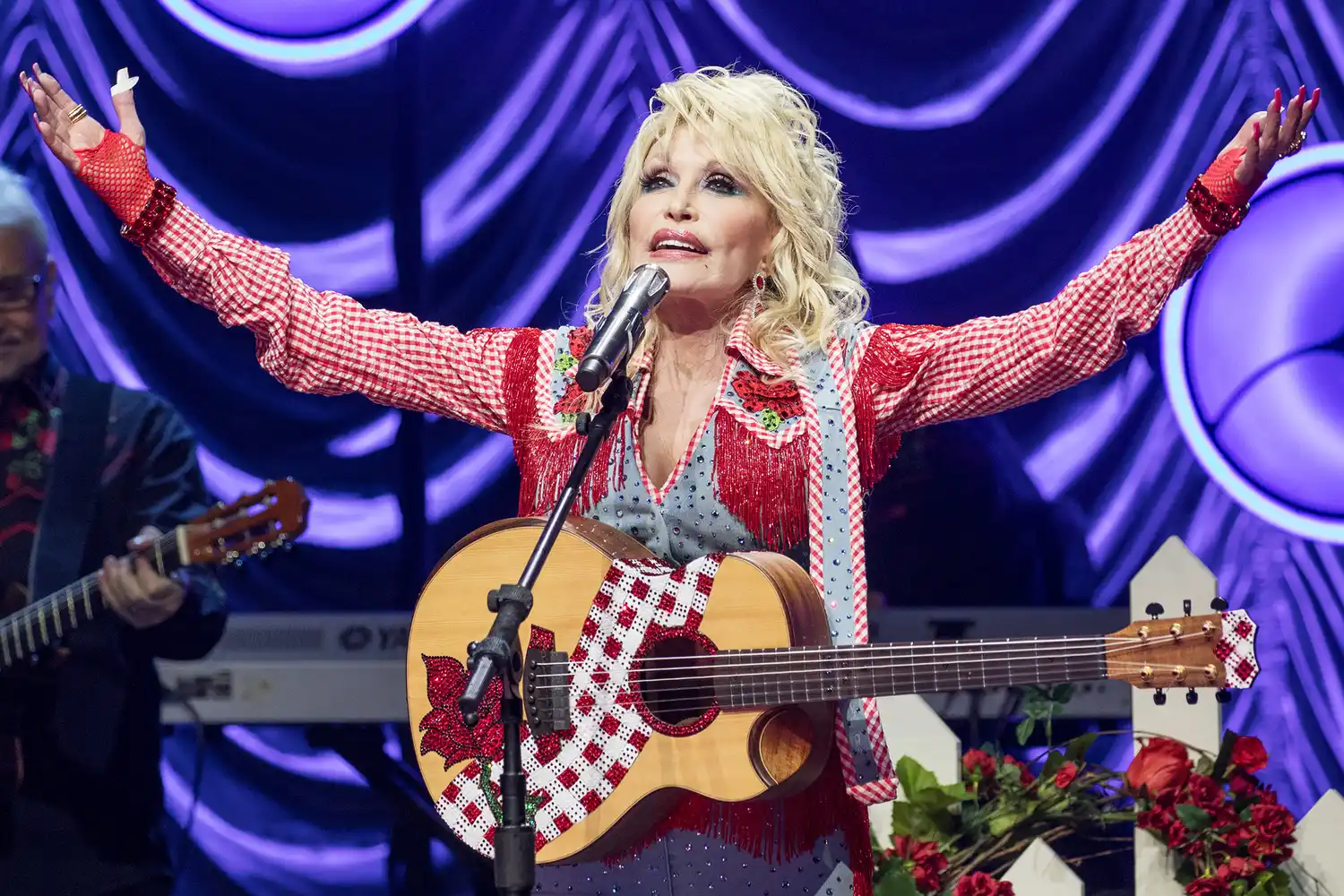
Her Choice Became More Meaningful With Time
The song’s message also carries additional emotional weight after the losses Dolly experienced late in life.
Her husband of nearly six decades, Carl Dean, died in March 2025.
By the time Parton herself died the following year, the idea behind “If We Never Meet Again” — separation followed by hoped-for reunion — had become even more relevant to the people closest to her.
But what makes the story especially powerful is that Dolly did not choose the song during those final months.
She named it back in 2014.
This was not a decision made in the immediate shadow of illness or grief.
It was something she had carried for years.
The Superstar Chose Her Daddy’s Song
Dolly Parton spent her career writing songs that became part of other people’s lives.
People married to them.
They broke up to them.
They sang them at concerts, kitchens, workplaces, weddings and funerals.
Yet when Dolly thought about her own final goodbye, she reached outside her enormous catalog.
She returned to an old gospel song her father loved.
The same one her family had sung when they said goodbye to him.
Fans may always associate Dolly Parton with “I Will Always Love You,” and Dolly herself knew that song would almost certainly follow her into the tributes after her death.
But when she was given the choice years earlier, she chose something more intimate.
Not the song that best represented her career.
The song that reminded her of home.