STEPHEN SCHNEIDER’S DEFENSE CHALLENGES MORE THAN ALCOHOL EVIDENCE AS CRASH CASE TAKES NEW TURN
STEPHEN SCHNEIDER’S DEFENSE CHALLENGES MORE THAN ALCOHOL EVIDENCE AS CRASH CASE TAKES NEW TURN
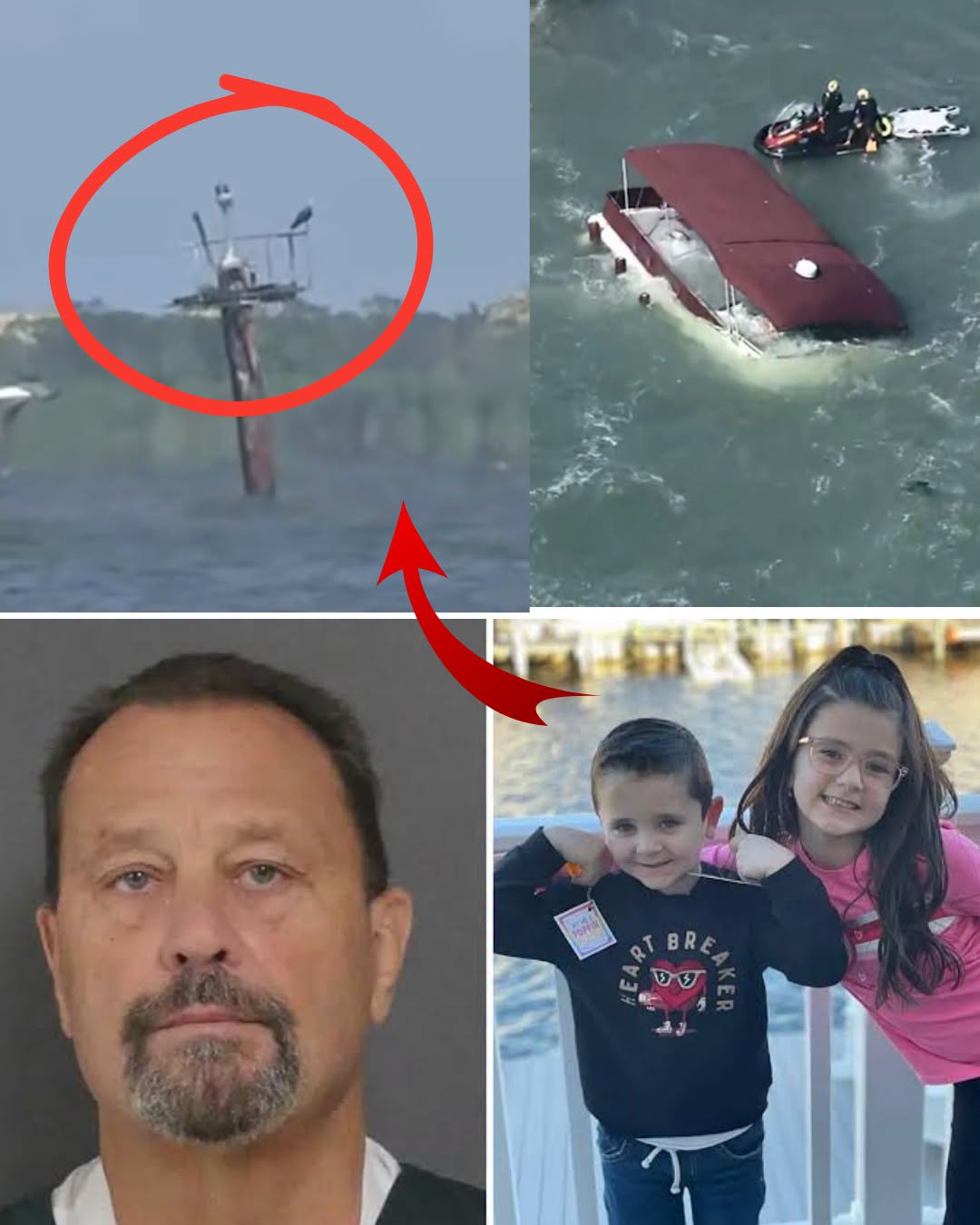
The legal battle surrounding Stephen Schneider is moving beyond questions about alcohol, as his defense team examines the physical conditions that may have contributed to the fatal boating crash involving Mya and Sigmund.
A reported blood alcohol concentration of 0.16% has become a major piece of evidence for prosecutors. But Schneider’s attorneys are now looking closely at another question: What could he actually see from the helm on the night of the crash?
 DEFENSE EXAMINES CHANNEL MARKER
One of the key issues under examination is a channel marker buoy near the location of the crash.
The defense is reportedly investigating the buoy’s position, lighting and visibility under nighttime conditions. The goal is to determine whether the marker would have been clearly visible to someone operating the vessel from the helm.
That could become an important part of the upcoming legal proceedings.
While prosecutors may argue that Schneider’s reported alcohol level provides evidence of impairment, the defense appears prepared to challenge the broader circumstances surrounding the crash rather than focusing exclusively on his condition.
 ALCOHOL EVIDENCE REMAINS A MAJOR ISSUE
The reported 0.16% blood alcohol level is expected to remain a central point in the prosecution’s case.
However, the defense’s focus on the physical environment could introduce another layer of complexity.
Attorneys may examine visibility, navigation conditions, the location of the buoy and what could reasonably have been observed from the vessel at the time.
The questions could ultimately come down to what Schneider saw, what he should have been able to see and whether environmental conditions played any role in what happened.
THE FINAL BEER BOTTLE ADDS ANOTHER DETAIL
Investigators have also focused on alcohol-related evidence recovered in connection with the crash, including a final beer bottle reportedly found as part of the investigation.
Such evidence could be used by prosecutors to build a timeline of alcohol consumption before the incident.
The defense, meanwhile, can be expected to scrutinize how that evidence was collected and what it actually establishes about Schneider’s condition at the time of the crash.
Finding evidence of alcohol consumption does not by itself answer every question surrounding the incident. The legal significance will depend on the broader evidence presented in court.
WHAT HAPPENED THAT NIGHT?
The case now appears poised to become a battle over more than a single piece of evidence.
Prosecutors are expected to focus on Schneider’s reported alcohol level and his actions before the crash, while the defense is examining whether visibility and other physical conditions may have contributed to the incident.
That distinction could prove significant.
A courtroom may ultimately have to consider not only Schneider’s condition, but also the circumstances surrounding the vessel, the waterway and the nighttime environment.
For the families of Mya and Sigmund, however, the central question remains what happened during the final moments before the crash.
As the case moves forward, investigators, attorneys and the court will continue examining the evidence in an effort to establish exactly what led to the tragic incident.
The defense’s latest strategy suggests that the upcoming legal battle may hinge on a much broader question than alcohol alone: What could Stephen Schneider actually see from the helm that night?