Linda Gray Is Letting Go of Her ‘Dallas’ Collection. Two Gifts From Larry Hagman Are Staying With Her

Linda Gray is willing to part with a surprising amount of her Dallas history.
Scripts.
Props.
Production materials.
Clapperboards.
Even the director’s chair tied to the show that made her one of the most recognizable women on American television.
But when it comes to Larry Hagman, there is a line she will not cross.
Gray, who spent years playing Sue Ellen Ewing opposite Hagman’s unforgettable J.R. Ewing, recently opened up about sorting through decades of memorabilia as pieces of her archive were offered through Julien’s “Ladies of the ’80s” auction.
Some objects, she decided, were ready to leave.
Others were not even candidates.
The distinction had less to do with their monetary value than with who had given them to her.
Among the things Gray says she intends to keep are the funny personal notes Hagman sent her over the years.
And one especially personal object will also remain with her:
an old Rolex that Hagman once wore himself before eventually giving it to Gray.
For fans who remember J.R. and Sue Ellen as one of television’s most volatile marriages, the story offers a very different look at the real relationship behind the characters.
Gray Had Decades of ‘Dallas’ History to Sort Through
Few television shows became as deeply embedded in American pop culture as Dallas.
The series premiered in 1978 and turned the wealthy, deeply dysfunctional Ewing family into prime-time royalty.
At the center of much of the drama was J.R. Ewing.
Played by Hagman, J.R. was manipulative, ruthless and endlessly entertaining — the kind of television character audiences loved to hate.
Gray’s Sue Ellen was his wife, and their marriage became one of the show’s defining relationships.
They fought.
They betrayed each other.
They reconciled.
Then they often found new reasons to fight again.
Their story helped fuel some of the biggest moments in the series, and Gray accumulated a substantial amount of material connected to those years.
Eventually, she had to decide what to do with it.
The Julien’s auction offered fans access to pieces of that history, including scripts, props and production artifacts tied to Dallas and Gray’s career.
For collectors, these are not ordinary objects.
They are physical pieces of one of the defining television dramas of the late 1970s and 1980s.
For Gray, however, not every object carried the same emotional weight.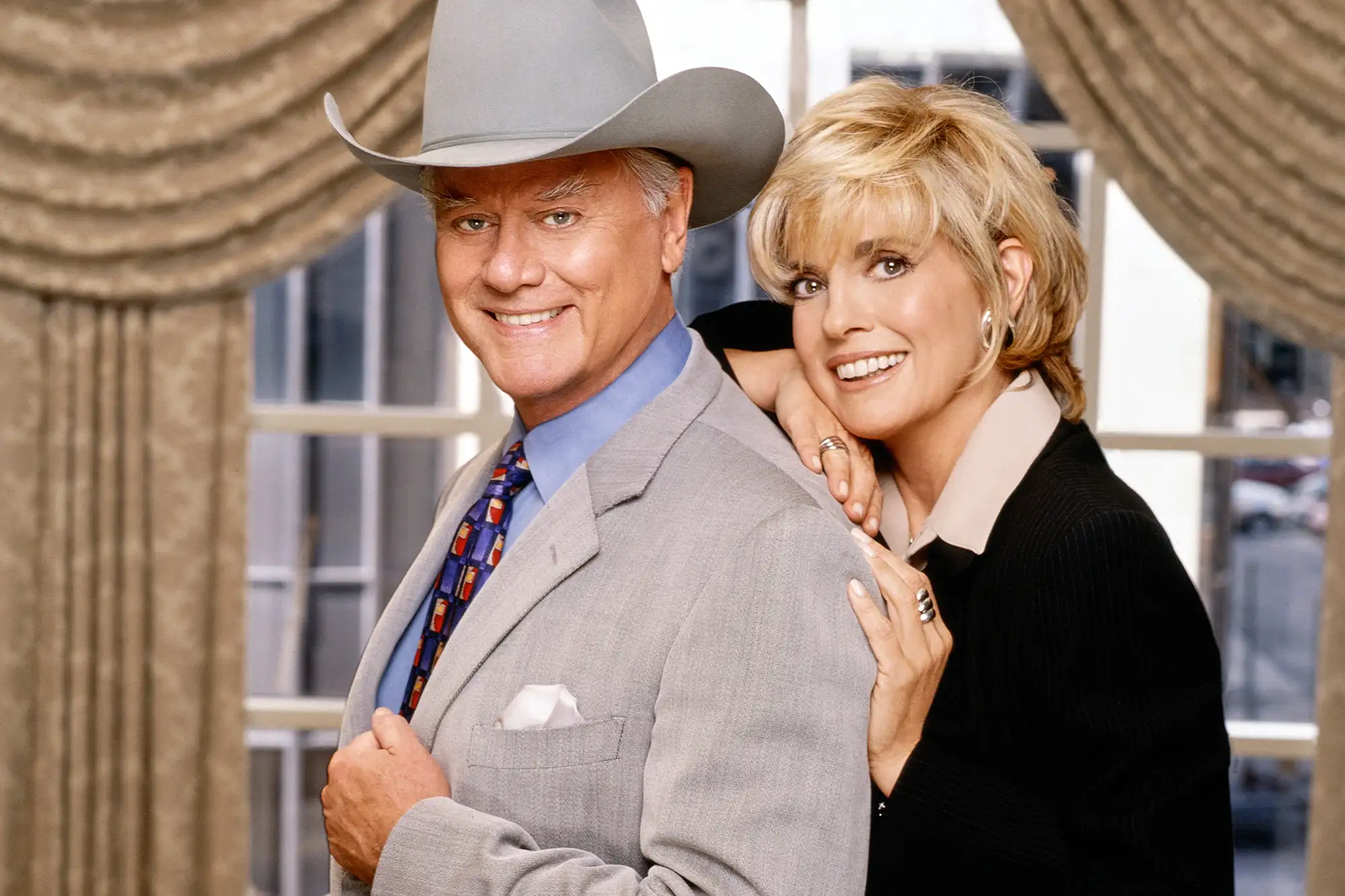
The Things From Hagman Were Different
Gray made an important distinction when discussing the archive.
Items connected to the production could be sold.
Personal gifts from Larry Hagman were something else entirely.
Among the things she still has are humorous notes Hagman sent her privately.
They are the kind of objects that would probably attract enormous interest from serious Dallas collectors because they connect directly to the actor behind J.R.
But Gray has no interest in letting them go.
They belong to the private friendship that existed beneath years of fictional hostility.
That makes them more valuable to her than a prop or script could ever be.
Hagman and Gray were not simply two actors who occasionally shared scenes.
They worked opposite each other for years, building one of prime-time television’s most recognizable relationships.
The notes preserve something viewers never saw.
Not J.R. speaking to Sue Ellen.
Larry speaking to Linda.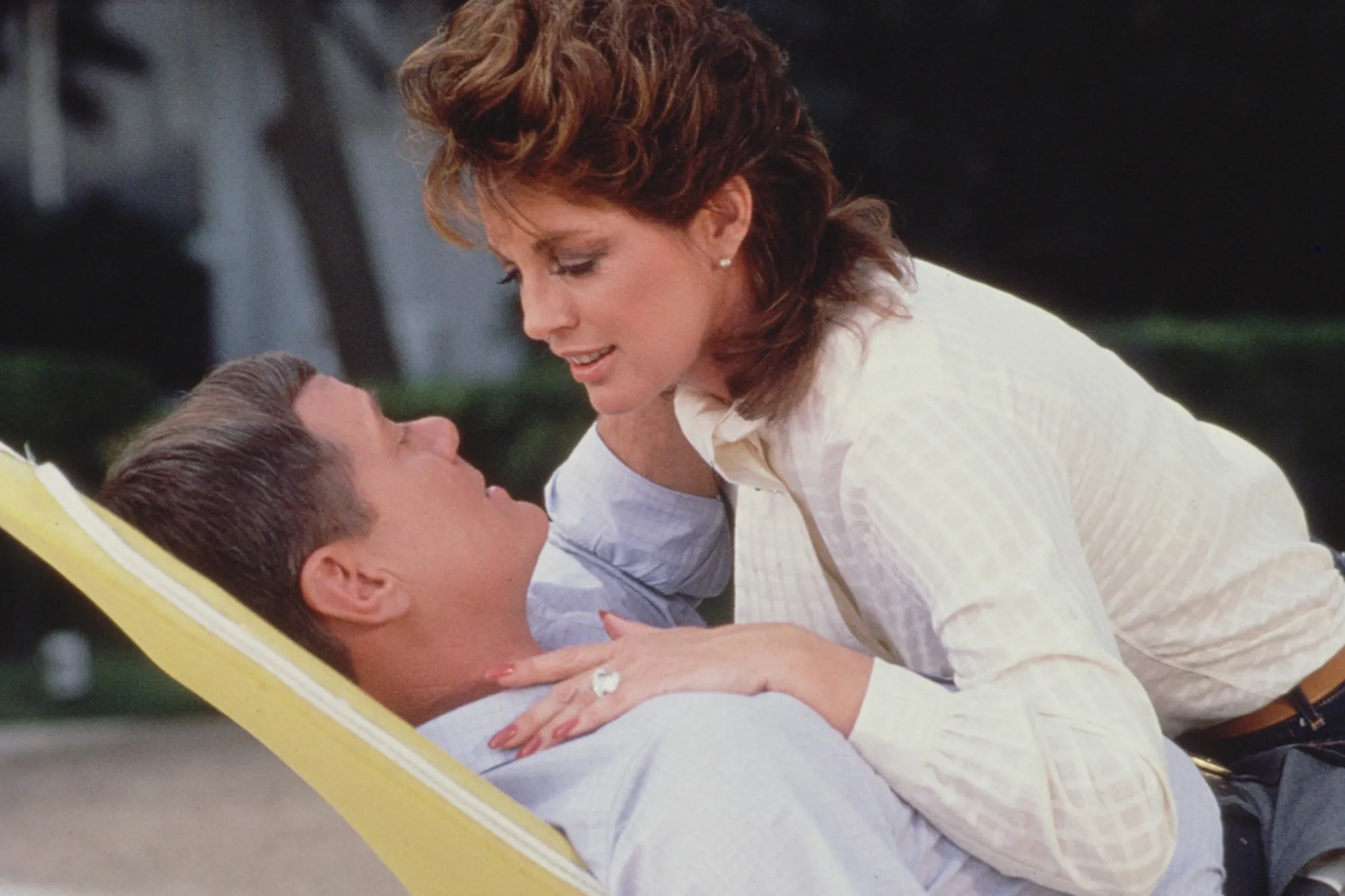
Then There Is the Rolex
The other item Gray singled out is even more tangible.
She still owns an old Rolex watch that once belonged to Hagman.
He had worn it himself.
Later, he gave it to Gray.
That watch is not going into an auction catalog.
Gray described objects like that as “keepers.”
It is easy to understand why.
A Rolex already has value as an object.
A Rolex worn by Larry Hagman has another layer of value for a television collector.
But for Gray, its importance appears to come from something much simpler.
It was his.
Then he gave it to her.
That history cannot be replaced by buying another piece of Dallas memorabilia later.
The same is true of his notes.
Scripts can exist in multiple copies.
Production objects can be documented, photographed and sold.
A private gift from a friend carries a different kind of meaning.
J.R. and Sue Ellen Fought. Larry and Linda Had Something Else.
The contrast between the fictional relationship and the real one is part of what makes Gray’s comments so affecting.
J.R. and Sue Ellen were almost designed to make each other miserable.
Their marriage included betrayal, addiction, manipulation, humiliation and enormous emotional damage.
They were constantly locked in a battle of wills.
For viewers, that conflict was part of the fun.
Behind the camera, Gray has spoken much more warmly about Hagman.
She has described him as a sparring partner in the creative sense — someone who gave her plenty to work with in scenes — while also remembering him as one of her favorite acting partners.
That distinction matters.
Actors who create convincing hostility onscreen often rely on trust offscreen.
Hagman and Gray had to know how far they could push scenes, how to read each other’s rhythms and how to keep a relationship fresh even after years of dramatic confrontations.
Their chemistry made J.R. and Sue Ellen feel dangerous and unpredictable.
Their friendship made that work possible.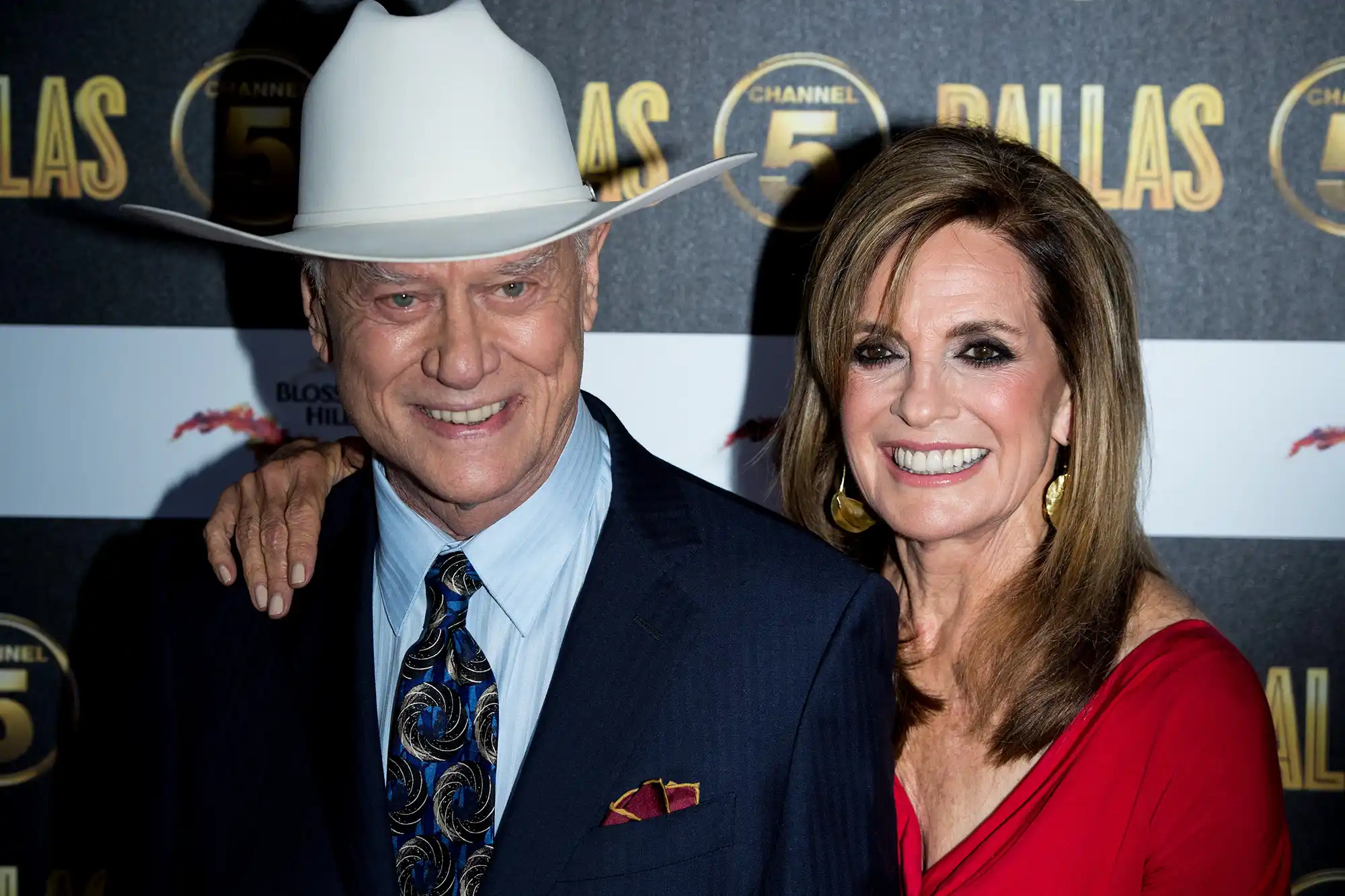
The Auction Gives Fans Access to a Different Side of ‘Dallas’
Julien’s “Ladies of the ’80s” auction offered a rare opportunity to see how much material Gray had preserved.
There were items tied to production, episodes and the broader history of the show.
For longtime viewers, objects like scripts and clapperboards can trigger immediate memories.
A script is not simply paper when it comes from an episode people watched decades ago.
A production item connected to Southfork can feel like part of the physical world of the series.
Gray’s willingness to let some of those pieces go suggests she sees value in allowing fans and collectors to become the next caretakers of that history.
But the limits she placed on the auction may be even more revealing than the items she included.
She could let go of Dallas.
She was not willing to let go of Larry.
‘Dallas’ Still Means Something Decades Later
The endurance of Dallas helps explain why an auction like this attracts attention at all.
The show became appointment television.
It helped define the prime-time soap.
And the “Who shot J.R.?” mystery became one of the most famous television cliffhangers ever produced.
Gray’s Sue Ellen was crucial to that world.
She was glamorous, wounded, resilient and often trapped inside the emotional consequences of J.R.’s choices.
For audiences who watched the series during its original run, Gray and Hagman are difficult to separate from those characters.
That makes the existence of their private friendship especially interesting.
Fans remember the arguments.
Gray remembers the man sending her jokes.
Fans remember J.R. wearing expensive clothes and projecting wealth.
Gray has a watch Larry Hagman actually wore.
Some Memorabilia Is Really Memory
Celebrity auctions often turn nostalgia into objects with prices attached.
A script can be assigned an estimate.
A costume can be bid on.
A chair can change owners.
But Gray’s decision shows where that system stops.
Some things are no longer memorabilia.
They are memory.
Hagman died in 2012, but Gray still has physical reminders of the years they spent working together.
Not the things created for J.R. Ewing.
The things Larry Hagman chose to give Linda Gray.
That is why the most revealing part of her Dallas auction may not be what fans were allowed to buy.
It may be what they never had a chance to bid on.
The scripts could go.
The props could go.
The director’s chair could go.
Larry Hagman’s notes and his old Rolex?
Those are staying with Linda Gray.