Dolly Parton Was Told She ‘Couldn’t Act’ on Steel Magnolias — Her Answer Put the Director Right Back on the Spot
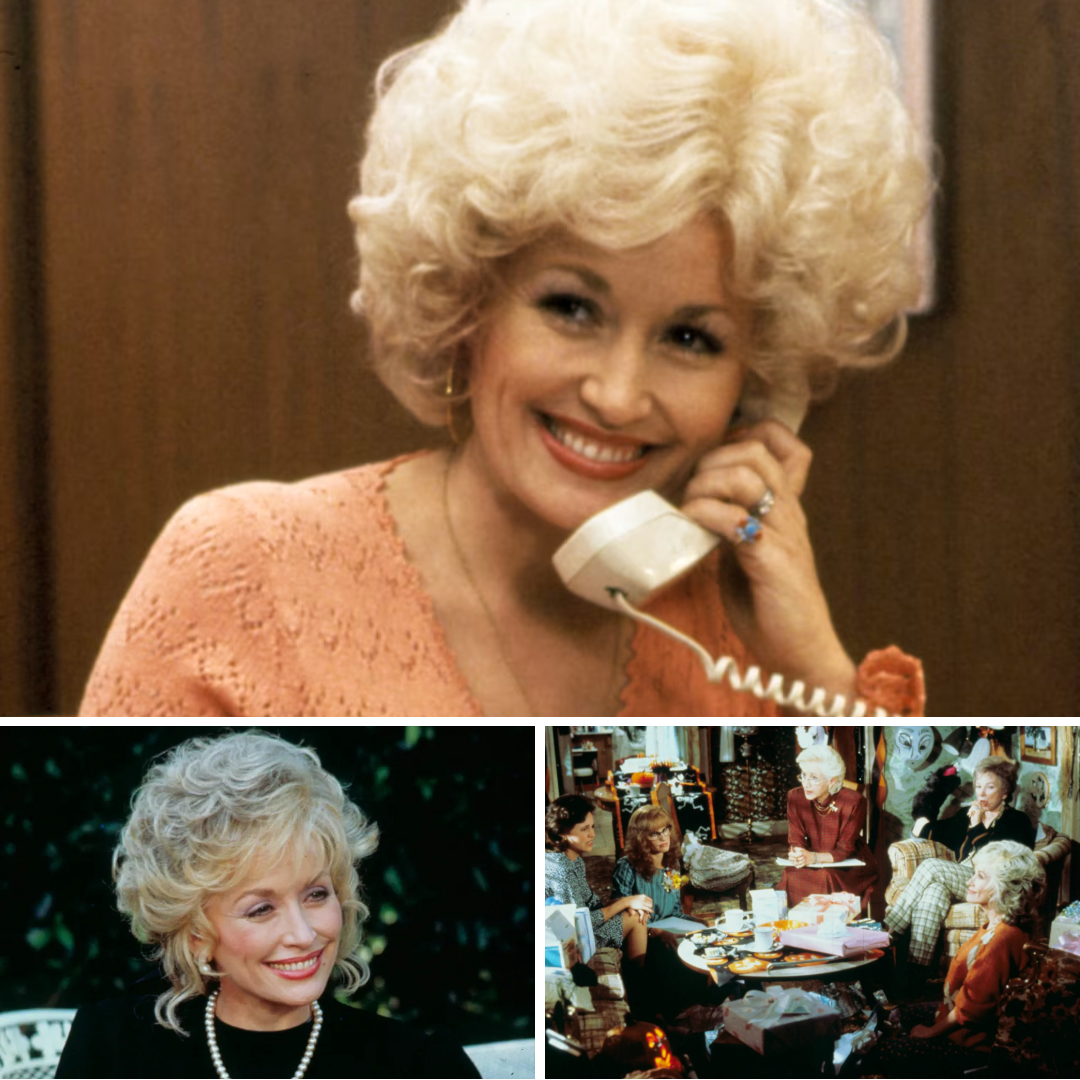
By the time Dolly Parton walked onto the set of Steel Magnolias, no one needed to tell her what she was good at.
She was already one of country music’s most recognizable stars, a songwriter with an unmistakable voice and a larger-than-life personality. But during production of the beloved 1989 drama, director Herbert Ross offered Parton a far less flattering assessment.
He told her she couldn’t act.
Parton’s reaction was classic Dolly.
Instead of becoming defensive or pretending she was something she wasn’t, she essentially agreed with him — and then reminded Ross that directing her was his job.
Years later, Parton recalled the uncomfortable relationship in her 1994 autobiography, Dolly: My Life and Other Unfinished Business. She remembered that Ross was particularly tough on both her and Julia Roberts, who at the time had not yet become the enormous Hollywood star audiences know today.
What began as friction, however, eventually became something very different.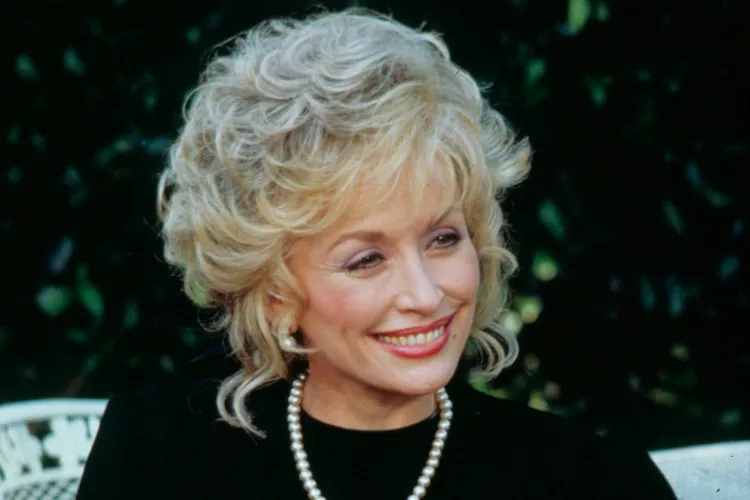
Dolly Knew Exactly Why She Had Been Hired
Parton played Truvy Jones, the warm, talkative beauty salon owner at the center of the close-knit Louisiana community portrayed in Steel Magnolias.
The film brought together an extraordinary group of actresses, including Sally Field, Shirley MacLaine, Olympia Dukakis, Daryl Hannah and Roberts.
Parton arrived with fame, charisma and movie experience, but she did not try to convince Ross that she considered herself a classically trained dramatic actress.
When Ross criticized her acting ability, Parton recalled answering with remarkable bluntness.
She told him, in essence, that she already knew acting was not the main reason people knew her.
“I’m not an actress, I’m Dolly Parton,” she remembered telling him.
Then came the part that turned his criticism back toward him: Ross was the director, she argued, so it was his responsibility to help make the performance work.
It was an answer that contained both humility and defiance.
Parton did not insist that Ross was wrong about her experience. She simply refused to be intimidated by the observation.
And she was not the only cast member dealing with his demanding approach.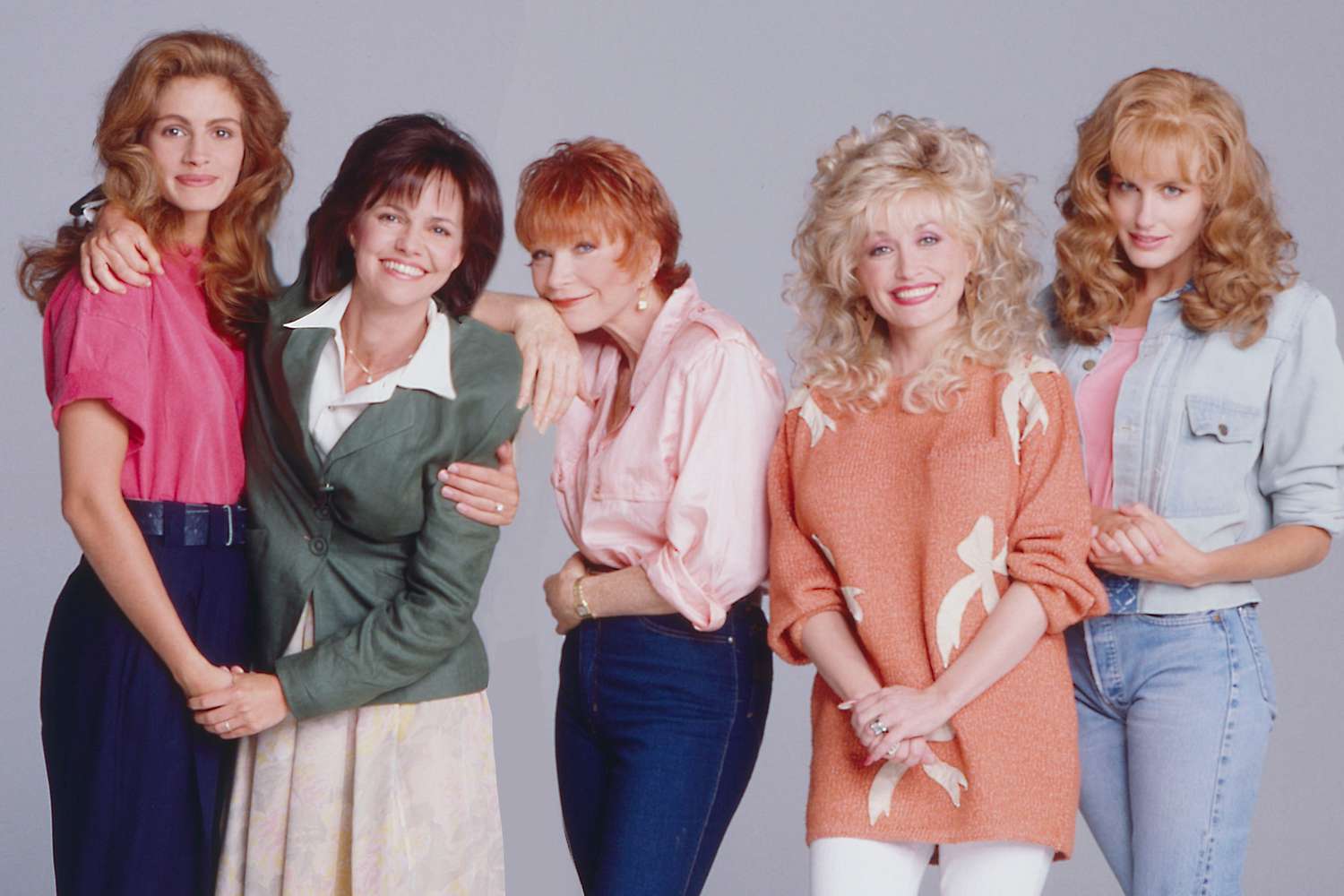
Julia Roberts Was Still the Newcomer
According to Parton, Ross initially did not particularly like either her or Roberts.
The situation was especially difficult for Roberts.
Today, Roberts is one of the most famous actresses of her generation. But while Steel Magnolias was being made, she was still relatively new and had not yet reached the level of stardom that would soon follow.
Parton believed Ross resented having to cast her.
Decades later, Sally Field remembered the same uncomfortable atmosphere.
Field said Ross generally allowed her considerable freedom with her own performance. His treatment of Roberts was dramatically different.
He was extremely hard on the younger actress.
Field remembered the other women recognizing what was happening and closing ranks around Roberts. She was the youngest member of the group, the newcomer surrounded by actresses with considerably more experience and established careers.
Rather than allowing her to face the pressure alone, the women supported her.
That solidarity off camera reflected something audiences would eventually respond to within the movie itself.
Steel Magnolias was built around women whose personalities could clash sharply but who ultimately showed up for one another when it mattered.
Behind the scenes, the actresses apparently found themselves doing something similar.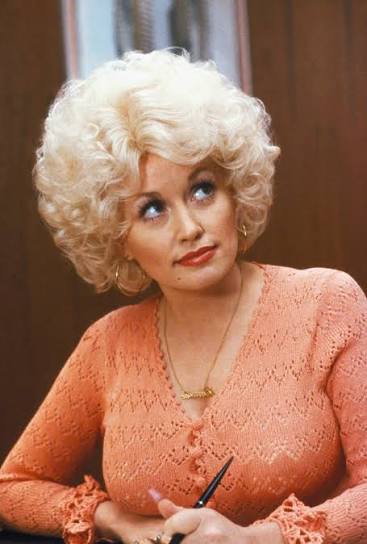
The Cast Rallied Around Roberts
Field later described the group as rallying around Roberts because they saw her as the “baby” of the cast.
She also remembered Parton being willing to confront Ross herself.
Parton did not necessarily challenge him with anger.
According to Field, Dolly could use humor — including humor far more outrageous than people might have expected — to turn the situation around so effectively that the director had little room left to respond.
It was another example of the quality that made Parton difficult to intimidate.
She could acknowledge criticism without surrendering to it.
She could make a joke while still making her point.
And when she believed someone else needed support, she could redirect that same personality toward defending them.
For Roberts, having women such as Parton, Field and the rest of the ensemble around her may have helped transform what could have been an isolating experience into one defined partly by camaraderie.
Field remembered Roberts as talented even then, regardless of the difficulty she experienced with Ross.
The Tension Did Not Last Forever
The story did not end with Parton and Ross remaining enemies.
That may be one of the most revealing details in Parton’s account.
Despite the rocky beginning, she said the relationships changed as production continued.
By the end of the movie, the conflict had eased. Parton recalled that they made peace and ultimately became friends.
That transformation adds another layer to the story.
Ross could be demanding enough that decades later his treatment of Roberts remained vivid in Field’s memory. Parton herself remembered being told directly that she could not act.
Yet the production moved beyond those early clashes.
The film was completed, relationships softened and Steel Magnolias went on to become one of the most enduring titles associated with several members of its cast.
For Parton, Truvy became another memorable role in a career that had already expanded well beyond country music.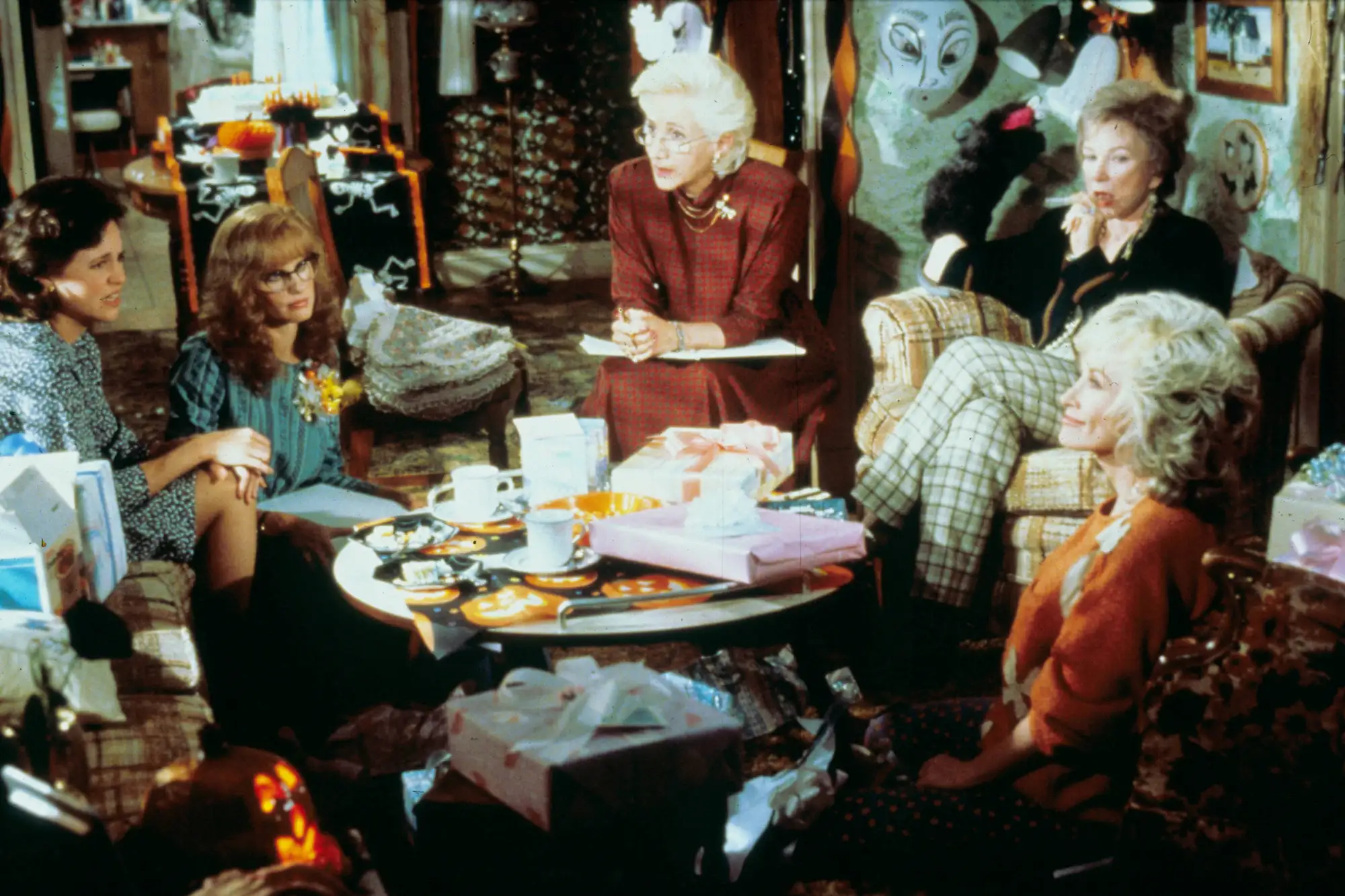
Dolly Never Pretended to Be Someone Else
Parton’s recollection of Ross also captures something that followed her throughout her career: an unusual willingness to joke about herself before anyone else could use the same criticism against her.
Being told she could not act might have humiliated another performer.
Parton took away much of its power by refusing to behave as though the comment exposed some terrible secret.
She knew exactly who she was.
She had been hired because filmmakers wanted Dolly Parton — her warmth, humor, personality and presence — inside the character.
So when Ross challenged her abilities, she challenged him right back.
Not by claiming perfection.
By reminding him that filmmaking was a collaboration.
The story has taken on additional poignancy following Parton’s death at age 80 on Aug. 25, 2026. Looking back at Steel Magnolias now means remembering not only Truvy behind the salon chair, but the woman playing her — someone capable of absorbing a harsh remark, answering it with humor and continuing forward.
More than three decades after Parton first wrote about the experience, her response remains the part that sounds most unmistakably like her.
Her director told her she couldn’t act.
Dolly Parton did not waste time arguing.
She simply reminded him that he had better figure out how to direct her.