LINDSAY CLANCY’S POSTPARTUM STRUGGLES: THE TIMELINE BEHIND ONE OF AMERICA’S MOST WATCHED TRIALS
LINDSAY CLANCY’S POSTPARTUM STRUGGLES: THE TIMELINE BEHIND ONE OF AMERICA’S MOST WATCHED TRIALS
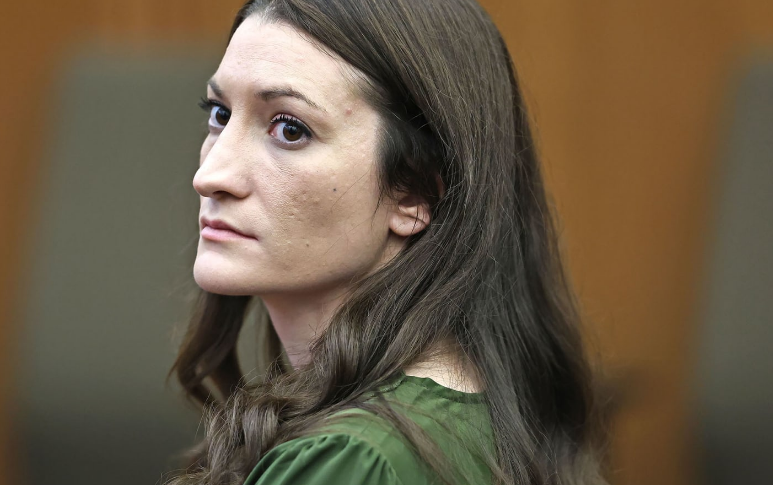
From psychiatric treatment and multiple medications to a devastating January 2023 incident, Lindsay Clancy’s medical and legal history has become central to the trial now being decided by a Massachusetts jury.
Clancy, a former labor and delivery nurse, is accused of killing her three children — Cora, 5, Dawson, 3, and Callan, 8 months — at the family’s Duxbury home on Jan. 24, 2023.
The acts themselves are not the central dispute at trial.
Instead, jurors must determine whether Clancy was criminally responsible for what happened.
:max_bytes(150000):strip_icc():focal(999x538:1001x540):format(webp)/lindsay-clancy-now-072026-f9568fc196424e899ffd03ffdead013e.jpg) HER MENTAL HEALTH DECLINE
HER MENTAL HEALTH DECLINE
Clancy’s defense has focused heavily on the months following the birth of her third child in May 2022.
According to evidence presented at trial, she experienced a serious deterioration in her mental health, sought psychiatric treatment and was prescribed multiple medications.
She also voluntarily admitted herself to McLean Hospital for treatment of severe depression.
Her defense argues that these struggles eventually developed into postpartum psychosis and that she lost the ability to understand the wrongfulness of her actions.
A CONFLICTING MEDICAL PICTURE
The prosecution and defense have presented sharply different interpretations of Clancy’s mental state.
Defense expert Dr. Phillip Resnick testified that Clancy was experiencing psychosis at the time of the incident.
Prosecution experts, however, questioned whether she was psychotic and argued that she remained capable of understanding right from wrong.
The disagreement has made psychiatric evidence one of the most important parts of the trial.
THE DAY EVERYTHING CHANGED
On Jan. 24, 2023, Clancy’s husband, Patrick, left the family home to pick up food and other items.
During his absence, prosecutors say Clancy carried out the acts that resulted in the deaths of her three children.
Afterward, she attempted suicide by cutting herself and jumping from a second-story window, leaving her paralyzed.
Her defense has argued that the suicide attempt was further evidence of the severe psychiatric crisis she was experiencing.
:max_bytes(150000):strip_icc():focal(449x0:451x2):format(webp)/Lindsay-Clancy-children-tout-091823--45de6d554f9142b49c4c65cb47edd7d7.jpg) WHAT THE PROSECUTION SAYS
WHAT THE PROSECUTION SAYS
Prosecutors acknowledge that Clancy suffered from significant mental-health difficulties.
But they argue that mental illness does not automatically eliminate criminal responsibility.
Their case is that Clancy planned the opportunity to be alone with the children and understood the consequences of her actions.
Prosecutors have pointed to her behavior before and after the incident as evidence that she retained awareness and control.
WHAT THE JURY MUST DECIDE
The jury began deliberations after more than five weeks of testimony.
They have several possible outcomes to consider, including first-degree murder, lesser offenses and a finding that Clancy was not criminally responsible because of mental illness.
As of the latest update, the jury has deliberated for three days without reaching a verdict and is scheduled to continue.
The jurors have also requested to examine physical evidence, including a knife connected to Clancy’s suicide attempt and empty prescription medication bottles.
THE QUESTION THAT COULD DETERMINE HER FUTURE
The case ultimately comes down to a deeply complicated legal question:
Did Lindsay Clancy understand that her actions were wrong, and was she capable of controlling them at the time?
Her defense says a severe postpartum psychiatric crisis robbed her of that capacity.
Prosecutors say she remained responsible for her decisions despite suffering from mental illness.
Now, after years of investigation and weeks of testimony, the decision rests with 12 jurors.
Their verdict will determine the next chapter of a case that has placed postpartum mental health, psychiatric treatment and criminal responsibility under an extraordinary national spotlight.