Gloria Steinem Dies at 92, Leaving Behind a Lifetime of Activism — and One Final Memoir Still to Come
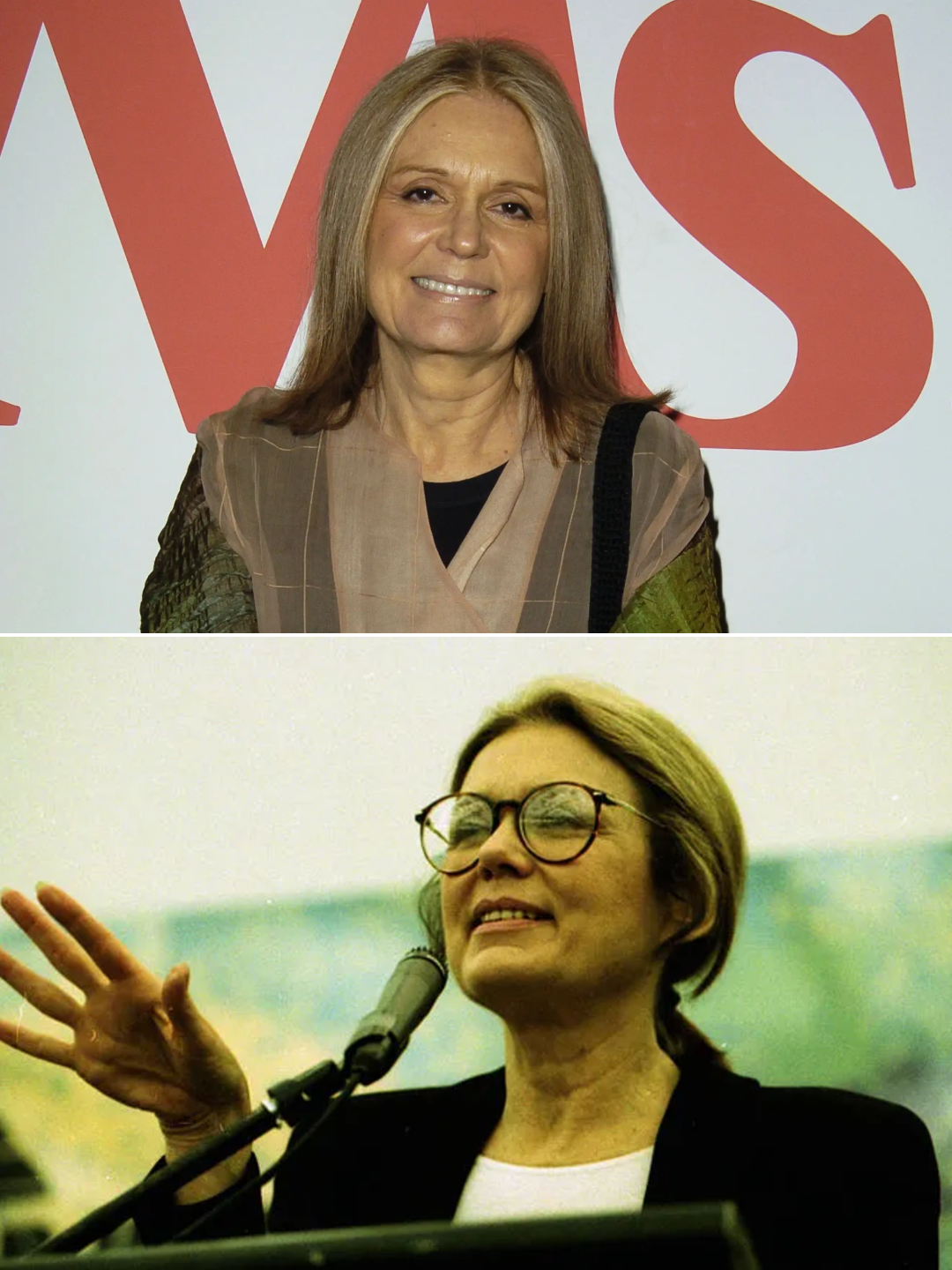
Gloria Steinem spent much of her life challenging ideas that millions of people had been taught to accept as normal.
She questioned the limits placed on women at work, in politics, in relationships and over their own bodies. She wrote about inequality when doing so could damage a journalist’s career. She helped build organizations designed to give women a larger voice. And for decades, she remained one of the most recognizable figures associated with the modern feminist movement.
Steinem died Wednesday, Sept. 2, at age 92.
Her death was announced in a joint message posted to her official Instagram account and Gloria’s Foundation. According to the announcement, Steinem died peacefully at her home in New York City with people who loved her around her.
Even in her later years, the message said, Steinem continued doing what had defined much of her life: writing, connecting with others and working toward equality. She had asked that anyone wishing to honor her consider donating to Gloria’s Foundation rather than sending flowers.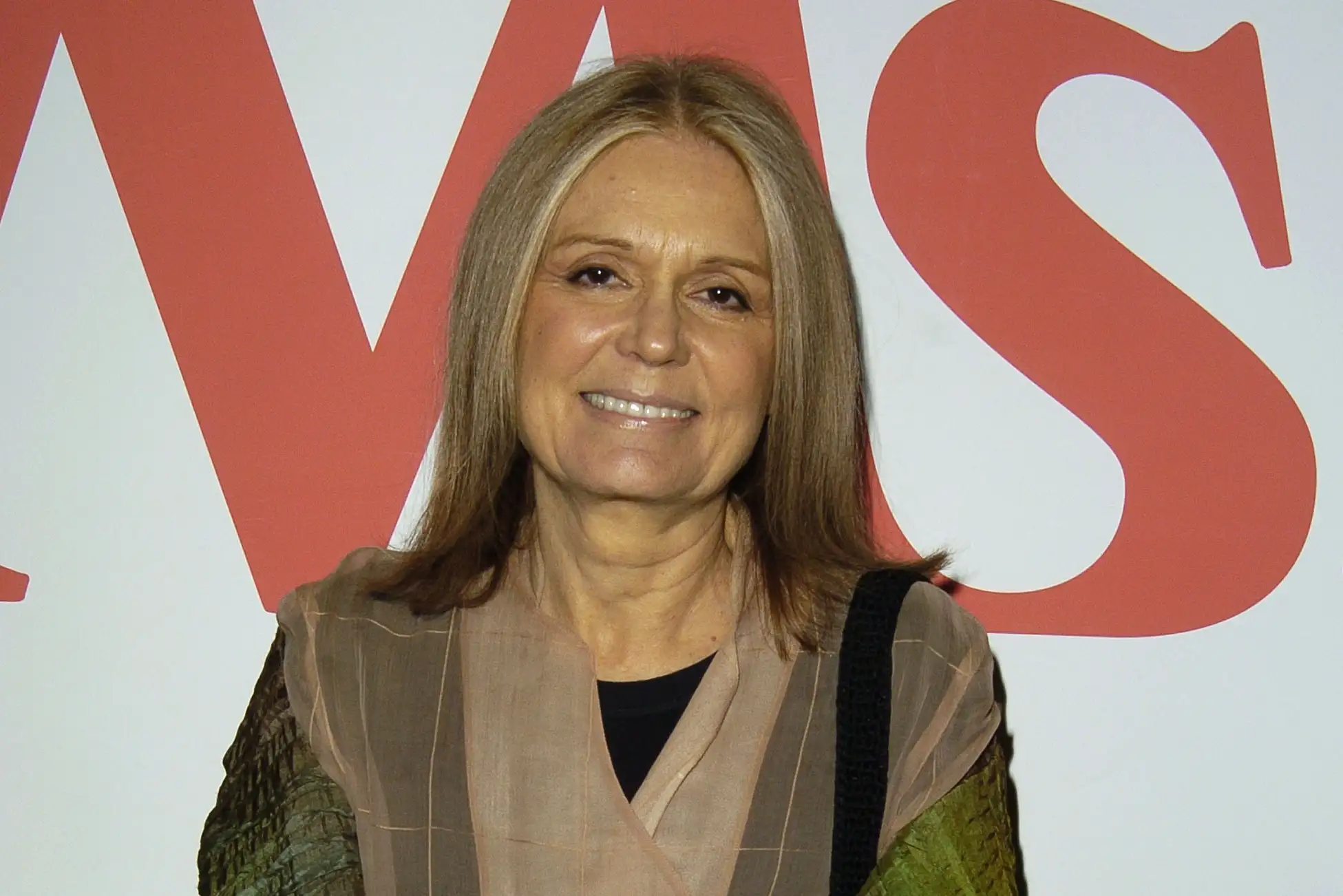
The Experiences That Shaped Her Began at Home
Steinem was born March 25, 1934, and some of the experiences that later influenced her activism arrived long before she became famous.
After her parents divorced, she helped care for her mother, Ruth, who struggled with mental illness. Steinem later described watching her mother’s circumstances as an early lesson in how deeply gender restrictions could shape a woman’s life.
Her mother had strong interests and ambitions of her own, but Steinem believed the expectations placed on women during that era prevented Ruth from fully pursuing them.
Years later, Steinem wrote that seeing what her mother endured helped guide her toward the activist path her mother had never been able to take herself.
After graduating from Smith College in 1956, Steinem moved to New York City and pursued journalism.
Her early work quickly demonstrated the subjects she was willing to confront.
In 1962, she wrote an article for Esquire examining changing attitudes toward contraception at a time when the birth control pill was becoming increasingly significant, particularly among young women.
Then came an assignment that would follow her for years.
In 1963, Steinem went undercover as a Playboy Bunny for Show magazine. Her resulting story examined the working conditions and treatment of women inside the Playboy Club environment.
The piece drew enormous attention and controversy. Rather than immediately opening doors for Steinem, however, its notoriety made it harder for her to find some journalism work afterward.
Over time, the undercover story would become one of the best-known pieces of her early career.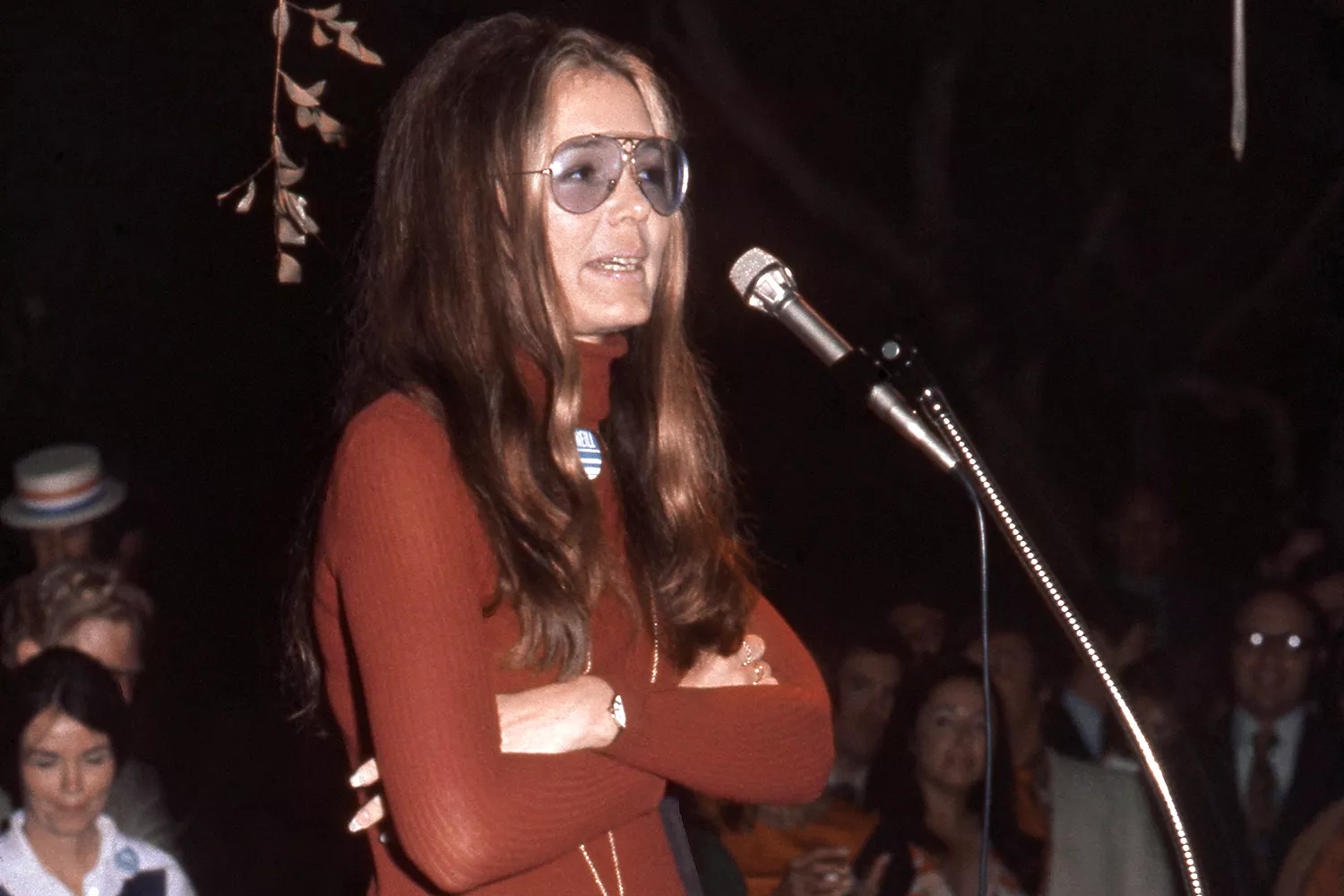
A Moment That Changed the Direction of Her Life
By the late 1960s, Steinem was contributing political writing to New York magazine.
During that period, she attended a speak-out in New York where women publicly discussed their experiences involving abortion and access to health care.
Listening to women openly describe matters that were often treated as private or unimportant had a profound effect on her.
Steinem later described the experience as the “big click” that cemented her commitment to feminism.
What struck her was not simply what the women were saying. It was the act of women publicly treating their own experiences as serious subjects worthy of discussion.
That realization became central to the work that followed.
In 1970, Steinem testified before the U.S. Senate in support of the Equal Rights Amendment.
Two years later, she cofounded Ms. magazine, described as the first American feminist magazine, and remained an editor there for 15 years.
But publishing was only one part of her work.
Steinem was involved in founding or cofounding organizations including the Women’s Action Alliance and National Women’s Political Caucus. She was also associated with the Coalition of Labor Union Women and later cofounded the Women’s Media Center with Jane Fonda and Robin Morgan.
Fonda, speaking about Steinem in 2024, described her as both a living connection to history and someone whose ideas continued to point toward the future.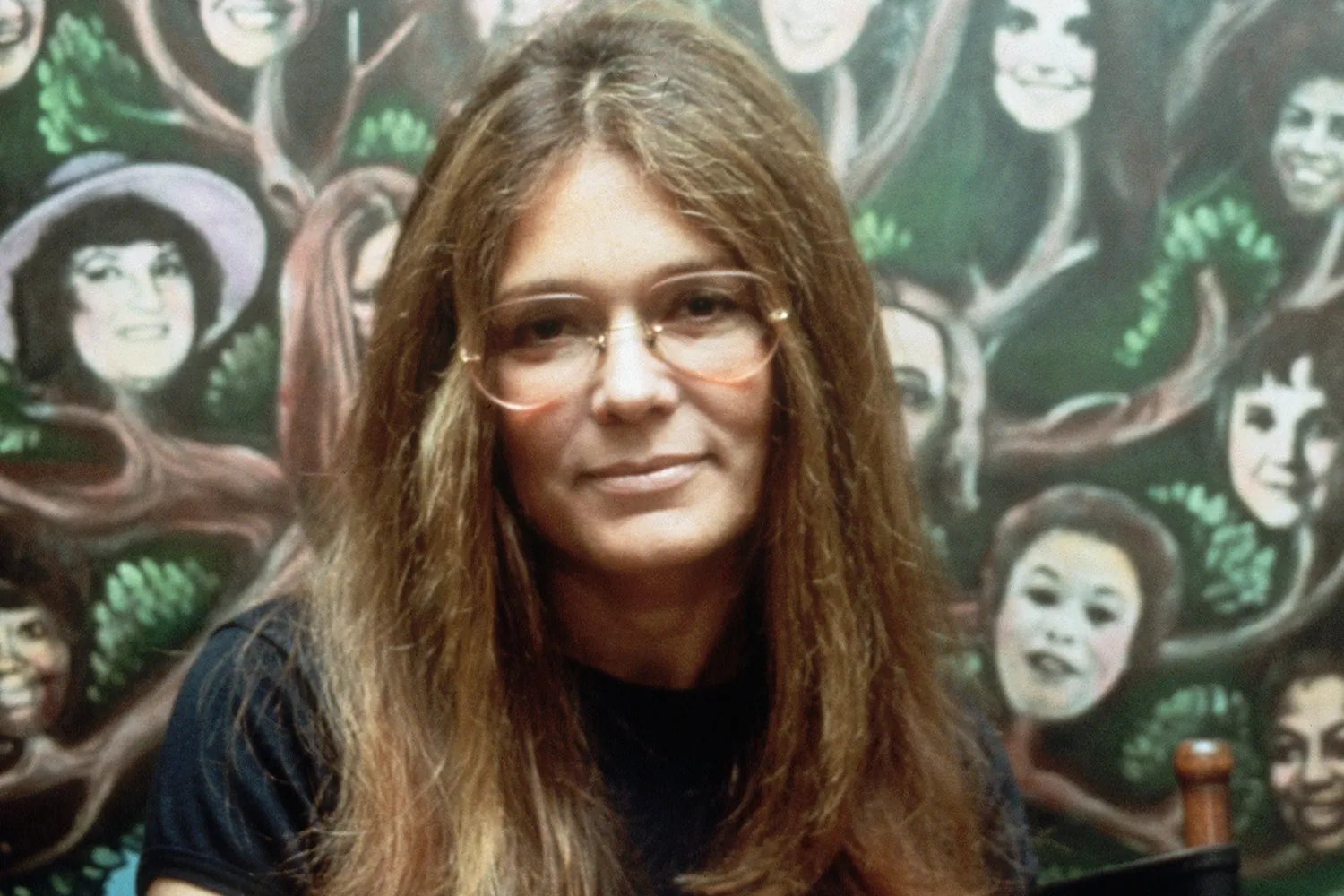
Her Definition of Equality Kept Expanding
Steinem consistently argued that feminism could not be separated from other struggles for equality.
Her advocacy included racial equality and LGBTQ+ rights, and she emphasized the contributions of Black activists whose roles in the suffrage and feminist movements had often been overlooked.
She continued writing about those ideas well beyond the decades most associated with the women’s liberation movement.
In her 2019 book The Truth Will Set You Free But First It’ll Piss You Off!: Thoughts on Life, Love, and Rebellion, Steinem reflected on how feminism had changed since the 1960s and 1970s, including developments surrounding the #MeToo movement.
Her public influence was formally recognized in 2013 when President Barack Obama awarded her the Presidential Medal of Freedom.
Obama praised Steinem’s ability to recognize both obvious and subtle examples of unfair treatment toward women — injustices that others might overlook or simply accept.
Her life and activism eventually became subjects for dramatization as well.
Rose Byrne portrayed Steinem in the FX miniseries Mrs. America, which explored political conflict surrounding the Equal Rights Amendment.
The 2020 film The Glorias approached her story differently, depicting Steinem at multiple stages of her life, with actresses including Julianne Moore and Alicia Vikander playing her at different ages.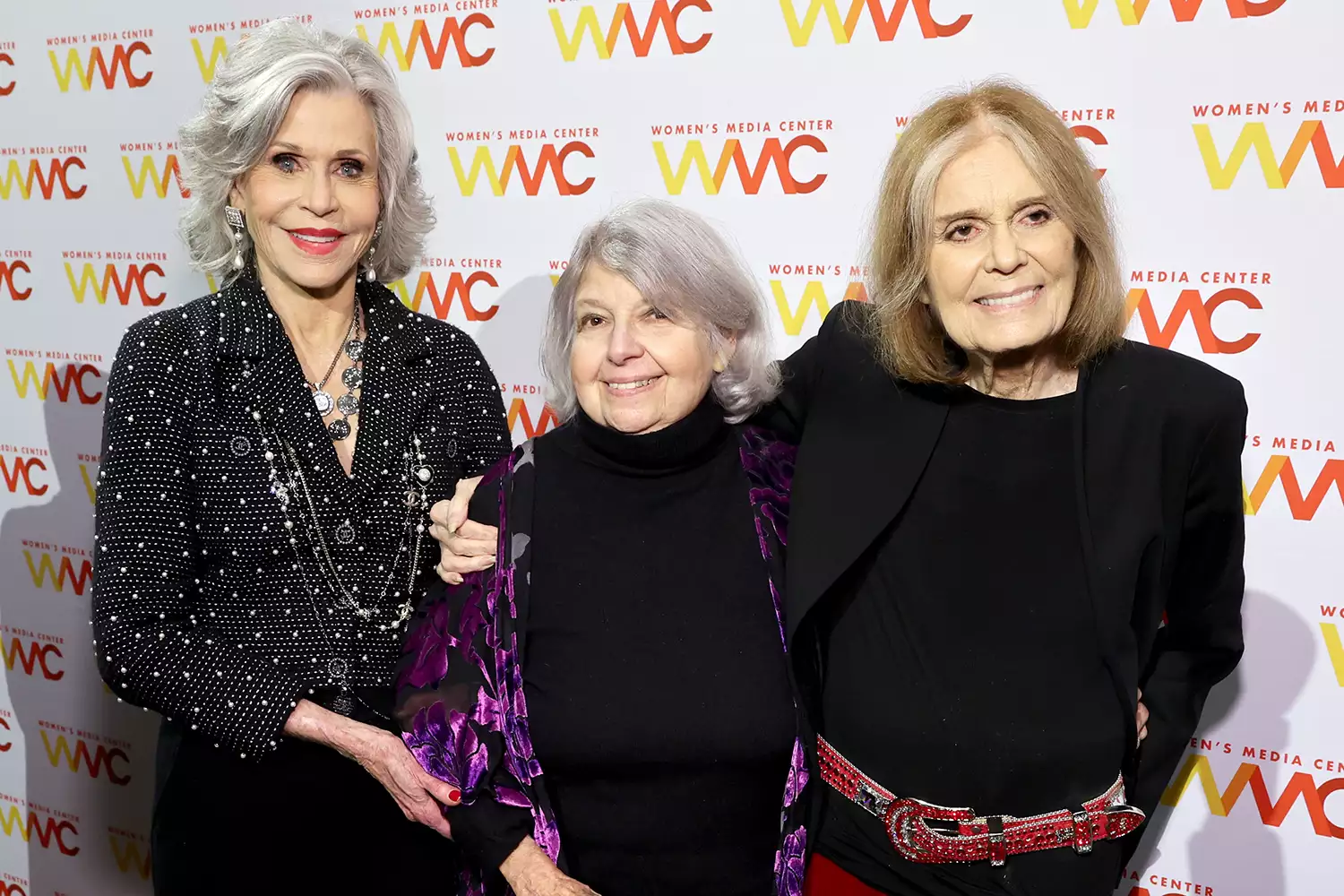
A Personal Decision That Once Seemed Unlikely
Steinem’s private life occasionally created its own surprises.
For years, she had been famously critical of traditional marriage and the inequalities historically built into it.
Yet on Sept. 3, 2000, while in her mid-60s, she married British businessman and environmentalist David Bale, the father of actor Christian Bale.
Their marriage lasted three years.
Bale died from brain lymphoma in 2003 at age 62.
In her later years, Steinem also developed a friendship with Meghan Markle. After Meghan and Prince Harry moved to California, Steinem and Meghan worked together in 2020 on an effort encouraging Americans to vote, beginning an activism partnership between the two women.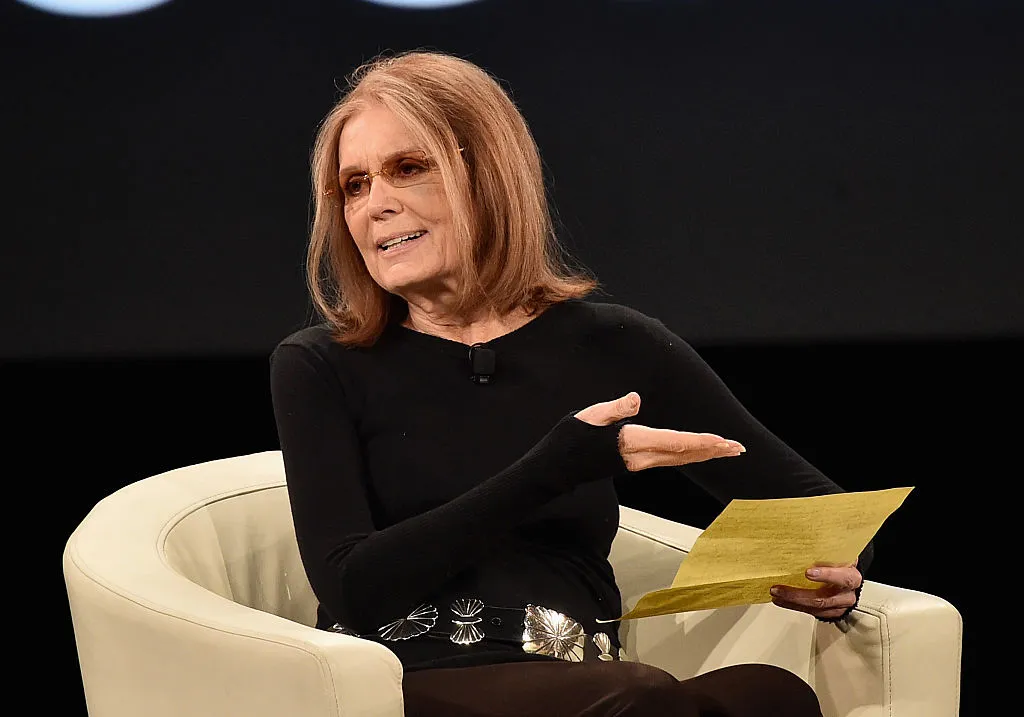
One More Chapter Is Still Coming
Steinem’s death arrives just weeks before another major piece of her life story is scheduled to reach readers.
Her memoir, An Unexpected Life, is due for release on Sept. 28, 2026.
The book is described as a candid reflection on the experiences that shaped her, stretching from childhood episodes that exposed her to poverty to historic moments in the women’s movement.
That timing gives Steinem’s final published work an unexpected significance.
For more than six decades, she wrote about the forces that shape women’s lives, challenged institutions she believed needed to change and encouraged people to recognize inequalities that could easily become invisible through familiarity.
Now, after her death at 92, readers are still waiting for one final account of that journey — told in Steinem’s own voice.