Two Workers Survived Nine Days Beneath a Nepal Hydropower Tunnel — One Says He Was Trapped Because He Stayed to Save Others
When disaster tore through Nepal’s Trishuli valley, Sanjay Sah says he had a chance to think about himself.
Instead, he thought about everyone else.
The 30-year-old mechanical foreman was working at the Upper Trishuli 3A hydropower facility when a catastrophic mixture of ice, rock, mud and floodwater struck the region on Aug. 26. Workers were suddenly in danger, and Sah began telling people around him to get out.
He says he could have run too.
But as a foreman, Sah believed his first responsibility was making sure the workers under his watch had a chance to escape.
“My responsibility was to save everyone’s lives,” he later said.
That decision may have saved others.
It also left Sah trapped underground for the next nine days.
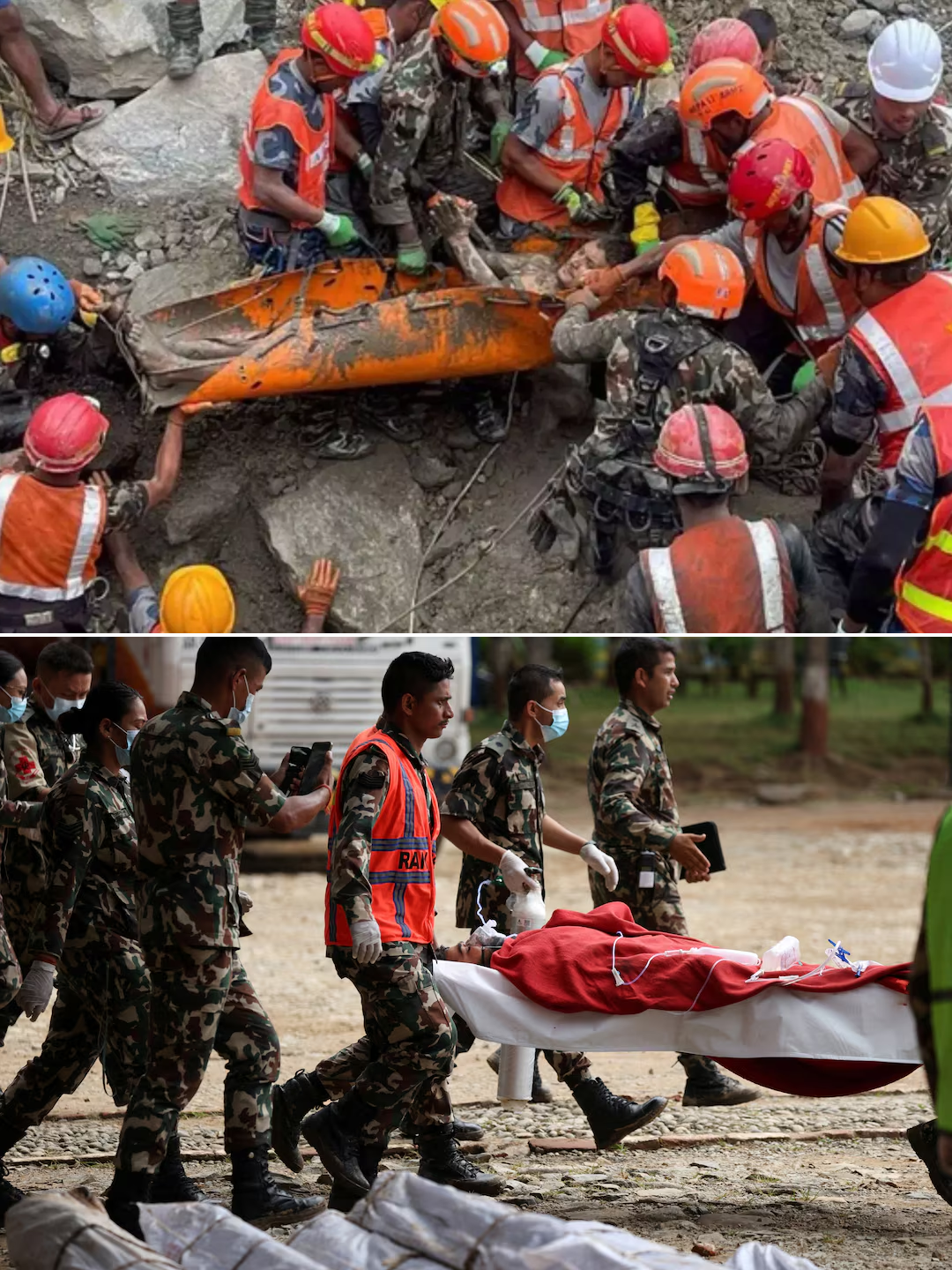
On Sept. 4, after rescuers searching the hydropower tunnel heard signs that someone might still be alive inside, Sah and another worker, Kabir Maharjan, emerged from a place where hope had been fading with every passing day.
Their survival was remarkable on its own.
But Sah’s account of why he was still inside the tunnel adds another layer to the story: he says he lost his opportunity to escape because he stayed behind long enough to warn others first.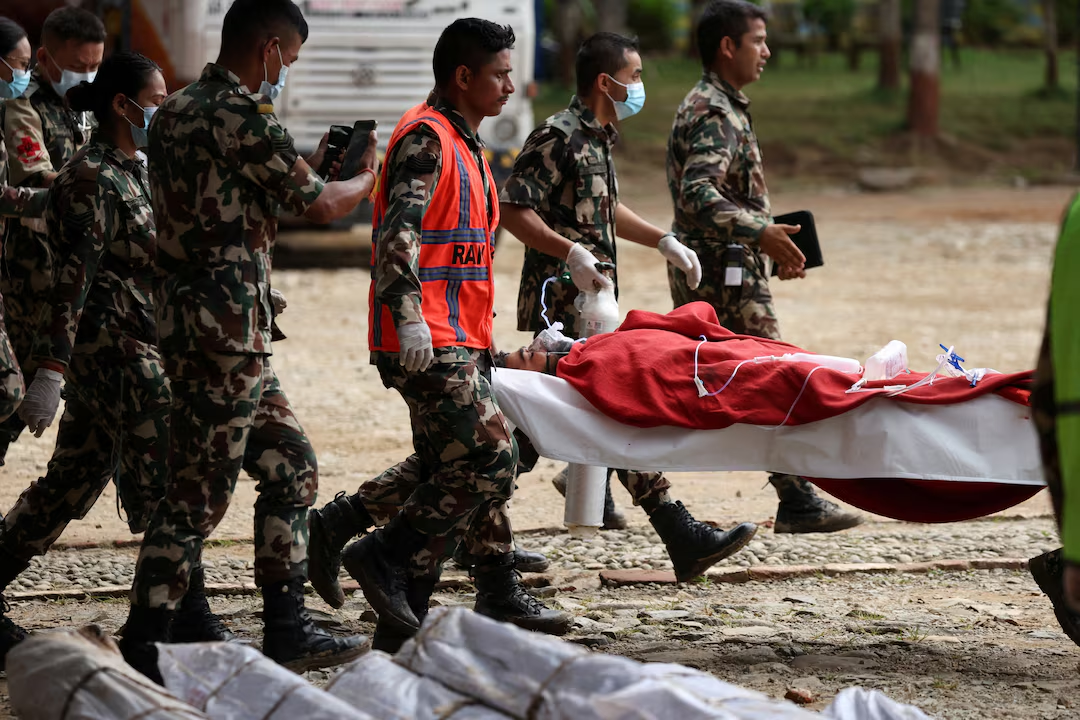
A Normal Work Area Suddenly Filled With People
According to Sah, the part of the facility where he normally worked was not usually crowded.
On an ordinary day, he said, there might be only five or six people around him.
But Aug. 26 was different.
Sah recalled that approximately 40 to 45 people were in the area when the disaster struck.
Then came the emergency.
Floodwater, mud, rock and ice devastated the Trishuli valley and overwhelmed infrastructure in the region. The wider catastrophe would become one of immense human loss, with more than 1,200 people reported dead and thousands more missing.
Inside the hydropower project, workers suddenly had to escape.
Sah began warning them.
He told people to run.
In those crucial moments, his role as a supervisor appears to have shaped his actions. Rather than immediately trying to save himself, he focused on getting others away from danger.
By the time Sah finally tried to leave, he said, his own path to safety was gone.
He was trapped.
Nine Days Underground
What followed was not a rescue measured in minutes or hours.
Sah remained inside the tunnel for nine days.
Above ground, search teams continued working through the aftermath of a disaster that had destroyed communities and left families desperately waiting for information.
Below ground, Sah had almost nothing except time, darkness and the hope that somebody would eventually reach him.
He later described spending long stretches chanting prayers and mantras.
The practice became part of how he endured the isolation.
Sah also said that during his time underground, he could hear signs of other people nearby or communicate through sounds with some of those who remained trapped in the area.
Exactly what was happening beyond his immediate surroundings was difficult for him to know.
But he was not completely disconnected from the possibility that others were still alive.
That possibility became crucial nine days after the disaster.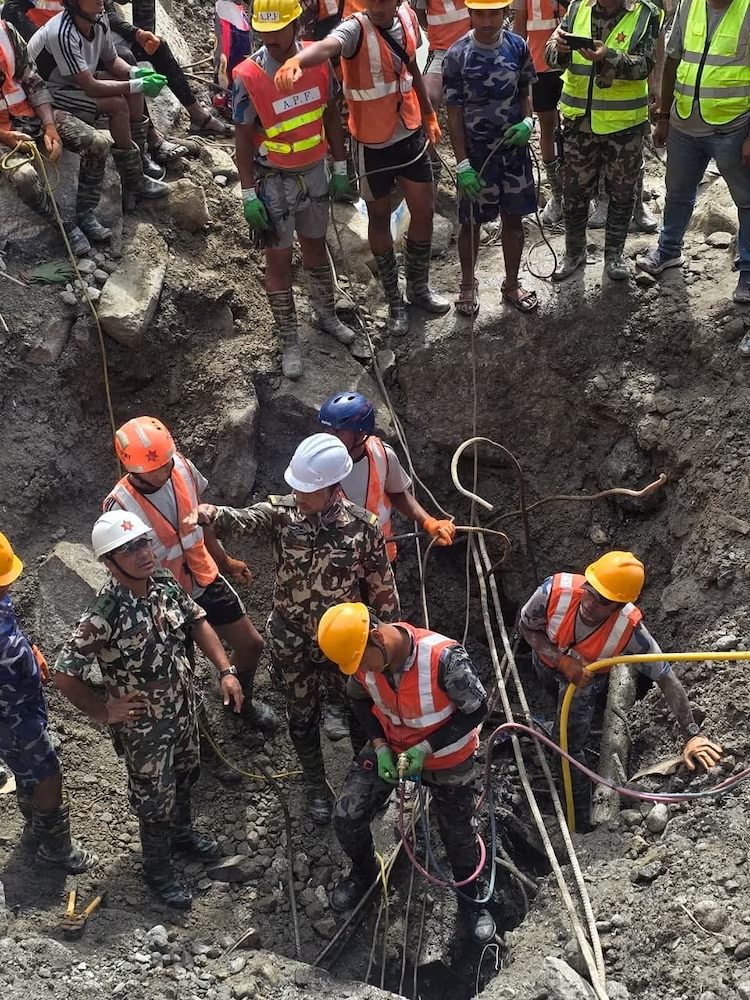
Rescuers Heard Something
On Sept. 4, teams searching inside Upper Trishuli 3A detected what they believed were human responses coming from the tunnel.
After more than a week, it was the kind of sign rescuers had been waiting for.
Sah was found alive.
So was Kabir Maharjan.
The two men were brought out of the tunnel nine days after they disappeared underground.
For rescue crews and families watching an enormous disaster unfold, their emergence was an extraordinary moment.
Sah was reported to be in stable condition after the rescue.
Maharjan was taken to a hospital in more serious condition.
The difference in their medical states underscored what both men had endured. Nine days trapped beneath a disaster zone had taken a physical toll, even if the full experience could not be measured simply by visible injuries.
For Sah, survival also meant finally being able to explain how he ended up there.
He Says He Could Have Left Earlier
The most striking part of Sah’s account concerns the first moments of the emergency.
He did not describe himself as someone who had been unable to move when the disaster began.
He said he could have run.
Instead, he stayed long enough to warn and help other workers.
That distinction changes the emotional weight of his survival.
Sah was not simply in the wrong place when the tunnel became inaccessible. According to his account, he remained there because he believed other people needed to get out before he did.
Only afterward did he realize he had waited too long.
By then, the conditions had changed.
The escape he might once have made was no longer possible.
It was a decision made in a chaotic moment, before anyone could have known that the consequences would last nine days.
Sah’s words after his rescue were simple.
He believed saving the others was his responsibility.
A Rescue Inside a Much Larger Tragedy
The survival of Sah and Maharjan offered a rare moment of relief during a disaster defined largely by loss.
The Aug. 26 event devastated the Trishuli valley, leaving destruction across the region as ice, debris, mud and floodwater swept through affected areas.
More than 1,200 people were reported killed, with thousands still missing.
Against that backdrop, finding two workers alive more than a week later seemed almost impossible.
But the rescue did not mean the search was over everywhere.
Later on Sept. 4, a team searching the Upper Trishuli 3A tunnel reported that it had reached sections of that particular tunnel without finding any additional survivors.
Operations elsewhere continued.
That reality created a painful contrast.
For two families, Sept. 4 brought the news they had hoped for.
For many others, the waiting continued.
The Choice Before the Miracle
Survival stories often begin with the moment someone is found.
Sanjay Sah’s begins earlier.
It begins with workers being told to run.
It begins with a foreman seeing dozens of people in danger and deciding that his job was not finished until he had tried to help them.
Only after doing that did he turn toward his own escape.
And by then, he says, it was too late.
For nine days he remained underground, praying, listening and waiting.
Then rescuers finally heard human responses from inside the tunnel.
Sah and Maharjan came out alive.
Their rescue was an extraordinary ending to nine days of uncertainty, but Sah’s story carries a detail that makes the survival even harder to forget.
He believes he was still underground because, when the danger first arrived, he chose not to be the first person out.