Three Novice Hikers Used AI to Plan a Mount Shasta Climb — Their “8-Hour” Trip Ended With an Overnight Rescue
The plan sounded simple enough.
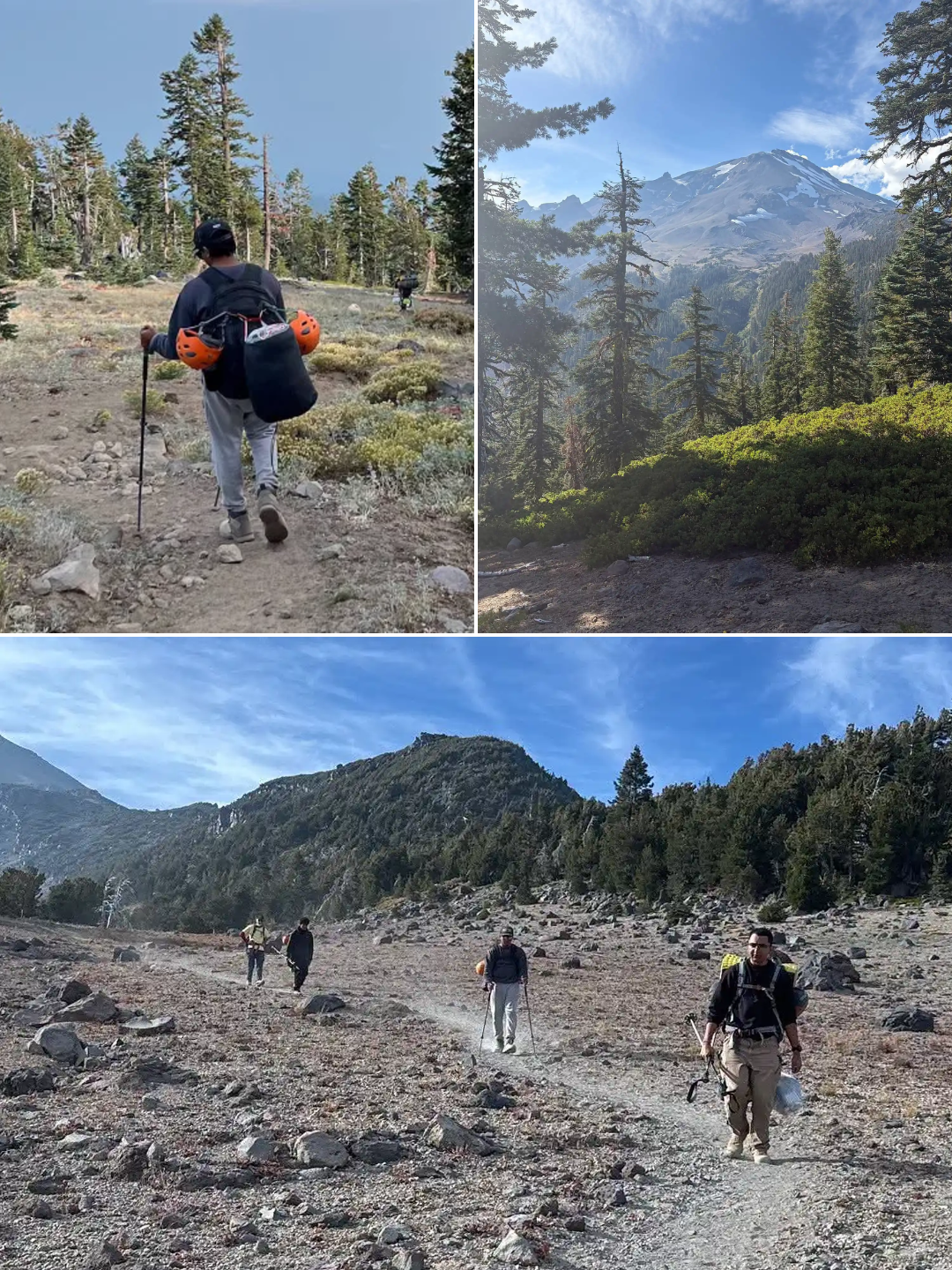
Three novice hikers from Roseville, California, expected their Mount Shasta climb to take about eight hours. They used Google’s Gemini for help planning the route and deciding what food and water to bring.
But by the time their supposedly manageable day trip unraveled, the men were descending a 14,000-foot mountain in darkness, off route, exhausted, short on supplies and trying to get an injured member of their group to safety.
They would not make it back that night.
Instead, the hikers ended up stranded overnight before climbing rangers reached them the following morning.
Officials later said one of the most important mistakes had happened before the climb even began: the group had relied heavily on artificial intelligence for guidance about an environment where small planning errors can quickly become dangerous.
According to the Siskiyou County Sheriff’s Office, the hikers later told authorities that Gemini advised them to carry significantly less food and water than they ultimately needed.
But the shortage of supplies was only one part of a much larger chain of decisions.
Their eight-hour assumption gradually collapsed into a rescue operation.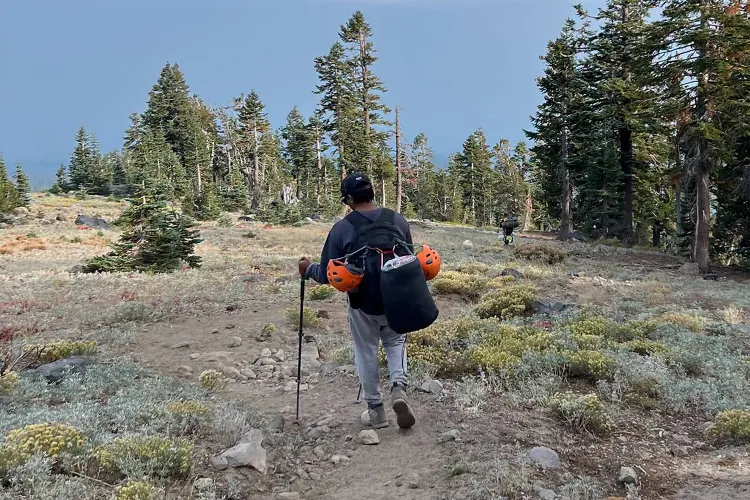
An Early Start With a Tight Plan
The three men were novice climbers attempting Mount Shasta, one of Northern California’s most recognizable and challenging peaks.
Their base camp was at roughly 8,400 feet.
On Aug. 30, they began their summit attempt at around 3 a.m.
Starting before sunrise is not unusual on high mountains. Climbers often leave early so they can reach critical sections before afternoon conditions worsen and still have enough daylight to descend.
The hikers, however, were working from an optimistic timeline.
Their plan suggested they could complete the trip in roughly eight hours.
That estimate would prove dangerously inaccurate.
As the morning passed, the group continued climbing.
Then noon arrived.
For Mount Shasta climbers, noon was the recommended turnaround point cited by officials. Even hikers who have not yet reached the summit are generally expected to turn back by then so they are not caught high on the mountain late in the day.
The group did not turn around.
They kept going.
Noon Came and Went
That decision changed the character of the climb.
Instead of beginning their descent around midday, the men remained on the mountain for seven more hours.
They did not reach the summit until approximately 7 p.m.
By that point, the original eight-hour plan had already been exceeded dramatically.
A trip expected to be nearly finished had only just reached its highest point.
And the most dangerous part was still ahead.
Reaching a summit can create a false sense that the challenge is over. In reality, mountaineering accidents frequently happen during descents, when climbers are exhausted, visibility is changing and concentration begins to fade.
For these three hikers, the descent started at exactly the wrong time.
Darkness was closing in.
Their supplies had been planned for a much shorter outing.
And they still had thousands of feet to descend.
The Route Disappeared in the Darkness
As night fell, the hikers began making their way down Mount Shasta.
Soon, they lost the route.
What had already become a badly delayed climb now became a navigation emergency.
The group contacted sheriff’s dispatch after realizing they were no longer where they were supposed to be.
They continued moving, but instead of finding their way back toward safety, they eventually wandered into Mud Creek Canyon.
That placed them in more difficult terrain.
Then another problem emerged.
One of the hikers injured his knee.
At that point, the group was dealing with almost every complication that can make a mountain situation escalate rapidly: darkness, fatigue, poor navigation, limited food and water, an injured climber and no quick route back to camp.
The men were forced to stop.
They spent the night on the mountain with supplies that officials said were inadequate for the length of time they had actually been outside.
Their day hike had turned into an unplanned bivouac.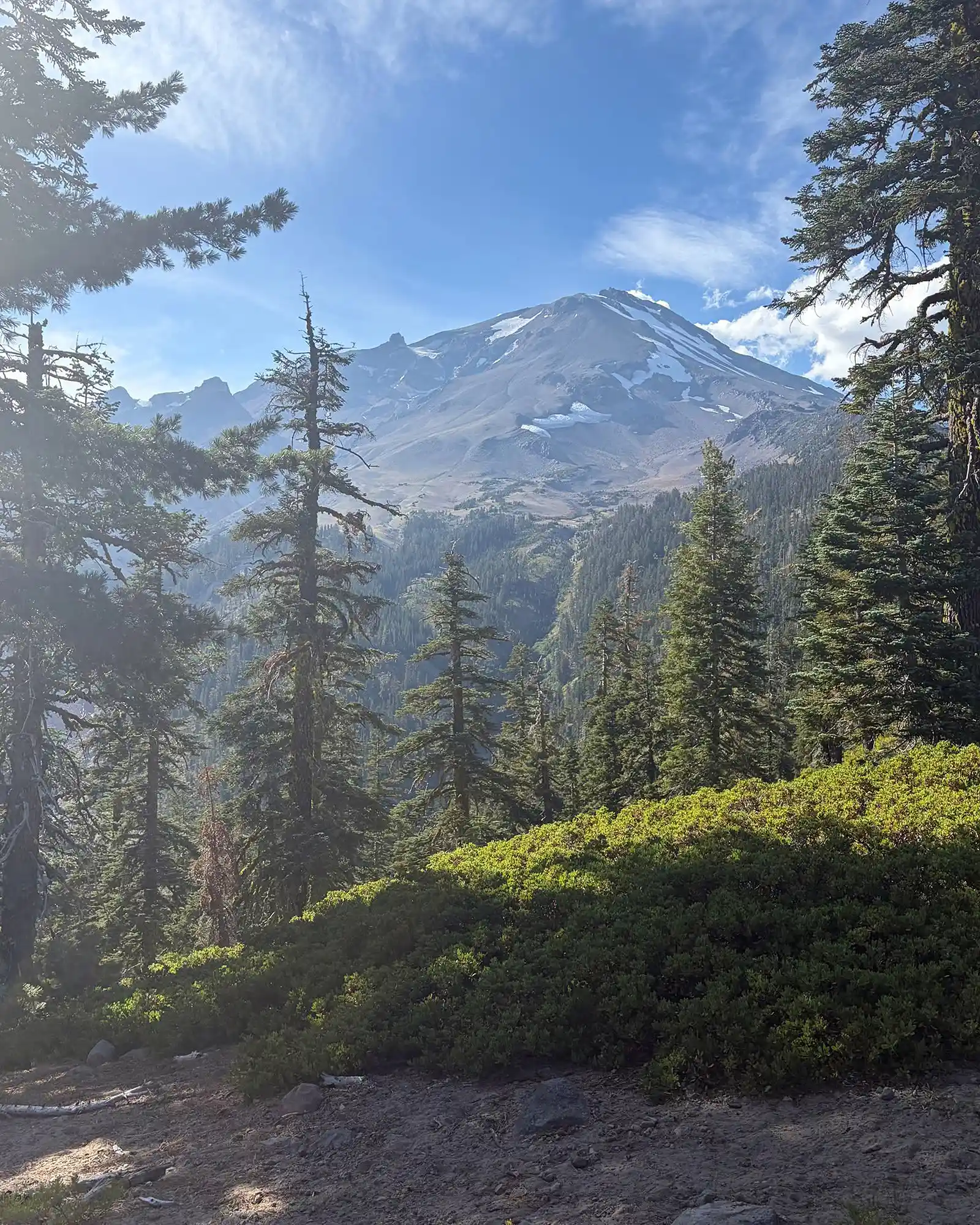
Rangers Reached Them the Next Morning
The following morning, U.S. Forest Service climbing rangers reached the stranded hikers.
The rescue ended without the much worse outcome that the circumstances could have produced.
But afterward, officials began examining how three inexperienced climbers had ended up in that position.
That was when the role of artificial intelligence became central to the story.
The hikers told authorities they had relied heavily on Google Gemini to help organize the climb.
According to sheriff’s officials, that included guidance on the route as well as what supplies they should carry.
Authorities said the AI-generated advice led the hikers to bring far less food and water than they ultimately needed.
The sheriff’s office described that reliance as a “critical misstep.”
The phrase was significant because officials were not suggesting that a single bad AI answer caused the entire rescue.
Instead, the problem was how an optimistic digital plan interacted with a series of real-world decisions.
The hikers underestimated how long the climb would take.
They continued beyond the recommended noon turnaround.
They reached the summit at 7 p.m.
They descended in darkness.
They lost the route.
They entered unfamiliar terrain.
Then one man became injured.
Each step made the next problem harder to manage.
The Danger Was in the Cascade
The story is easy to reduce to a simple warning: three hikers trusted AI and got into trouble.
But the reality was more complicated.
Artificial intelligence did not force the group to continue climbing after noon.
It did not make them stay on the mountain until 7 p.m.
And it did not physically lead them into Mud Creek Canyon.
What the AI-assisted planning appears to have done, according to officials and the hikers’ own account, was give the group a dangerously optimistic framework.
If you believe a difficult mountain trip will last eight hours, you may pack for eight hours.
If you pack for eight hours, an unexpected delay becomes more serious.
If the delay becomes seven or eight additional hours, the shortage becomes a survival problem.
That is why food and water advice mattered so much.
The initial assumption shaped everything that came after it.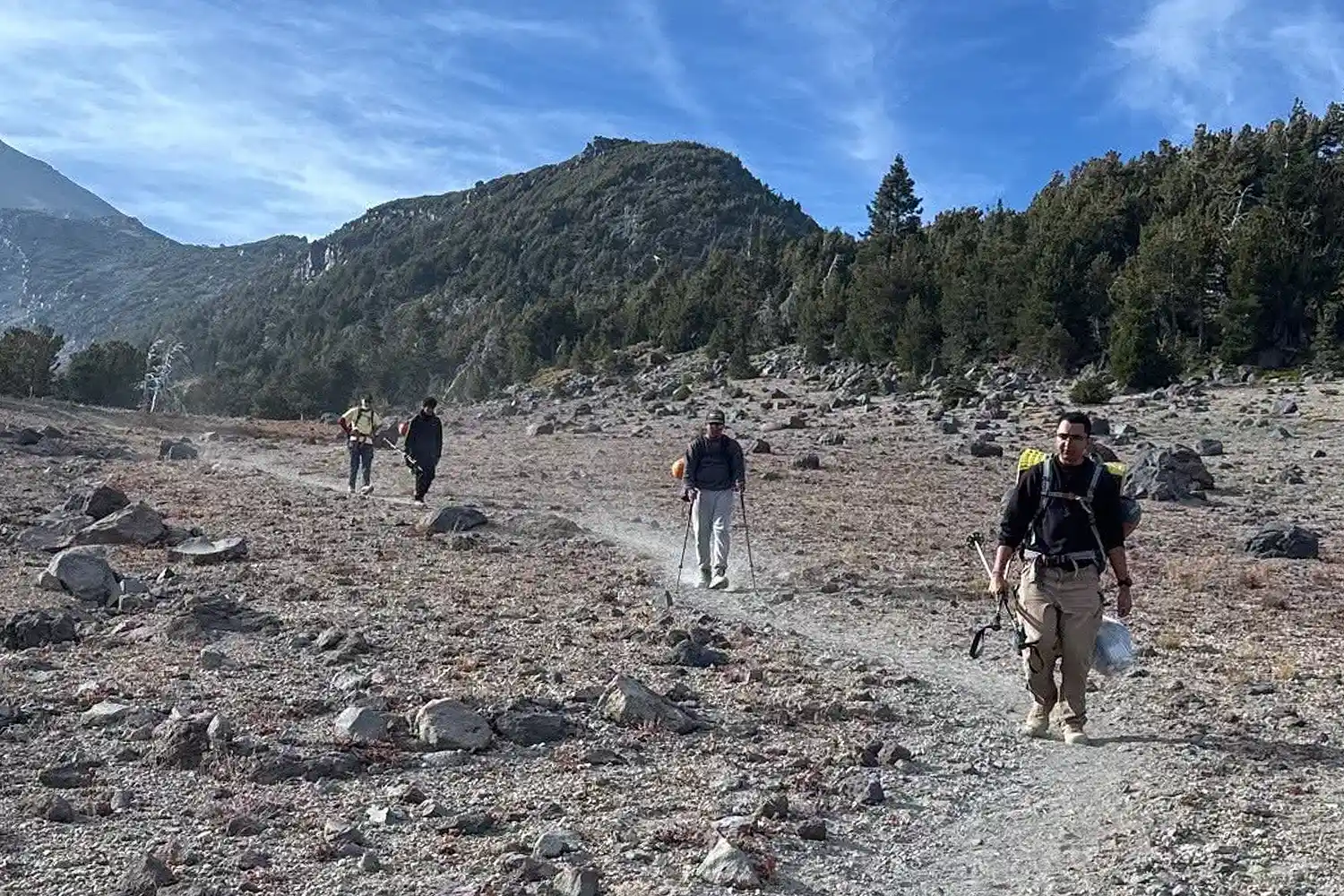
Mountains Do Not Follow Digital Timelines
Mount Shasta is not a controlled environment.
Weather changes.
Routes become difficult to follow.
Climbers move more slowly at altitude.
Snow, rock and darkness can turn seemingly small navigation mistakes into major detours.
And an injury that would be manageable near a trailhead can become a serious obstacle thousands of feet up a mountain.
Experienced mountaineers generally plan around uncertainty.
They carry extra supplies.
They establish hard turnaround times.
They prepare for the possibility that a trip will take longer than expected.
The three Roseville hikers did almost the opposite.
Their plan depended on the day going roughly as predicted.
Once it stopped going according to plan, they had very little margin for error.
An Eight-Hour Trip That Lasted Into the Next Day
The hikers were ultimately fortunate.
They were able to contact authorities.
They survived the night.
And climbing rangers reached them the following morning.
But the incident has become a striking example of what can happen when digital planning is treated as a substitute for mountain experience.
The most memorable detail may not be that they used AI.
It is how quickly one optimistic estimate created a chain reaction.
A 3 a.m. start became a 7 p.m. summit.
A daytime descent became a nighttime navigation problem.
A navigation problem became a detour into Mud Creek Canyon.
Then came the knee injury.
Then the overnight stay.
Then the rescue.
The group began with an eight-hour plan.
By the time they were found the next morning, the mountain had demonstrated something no chatbot can guarantee away:
In the backcountry, the plan only works until reality changes it.