Dolly Parton’s “Jolene” Came From Two Real Women — but Only One Wanted Her Husband’s Attention
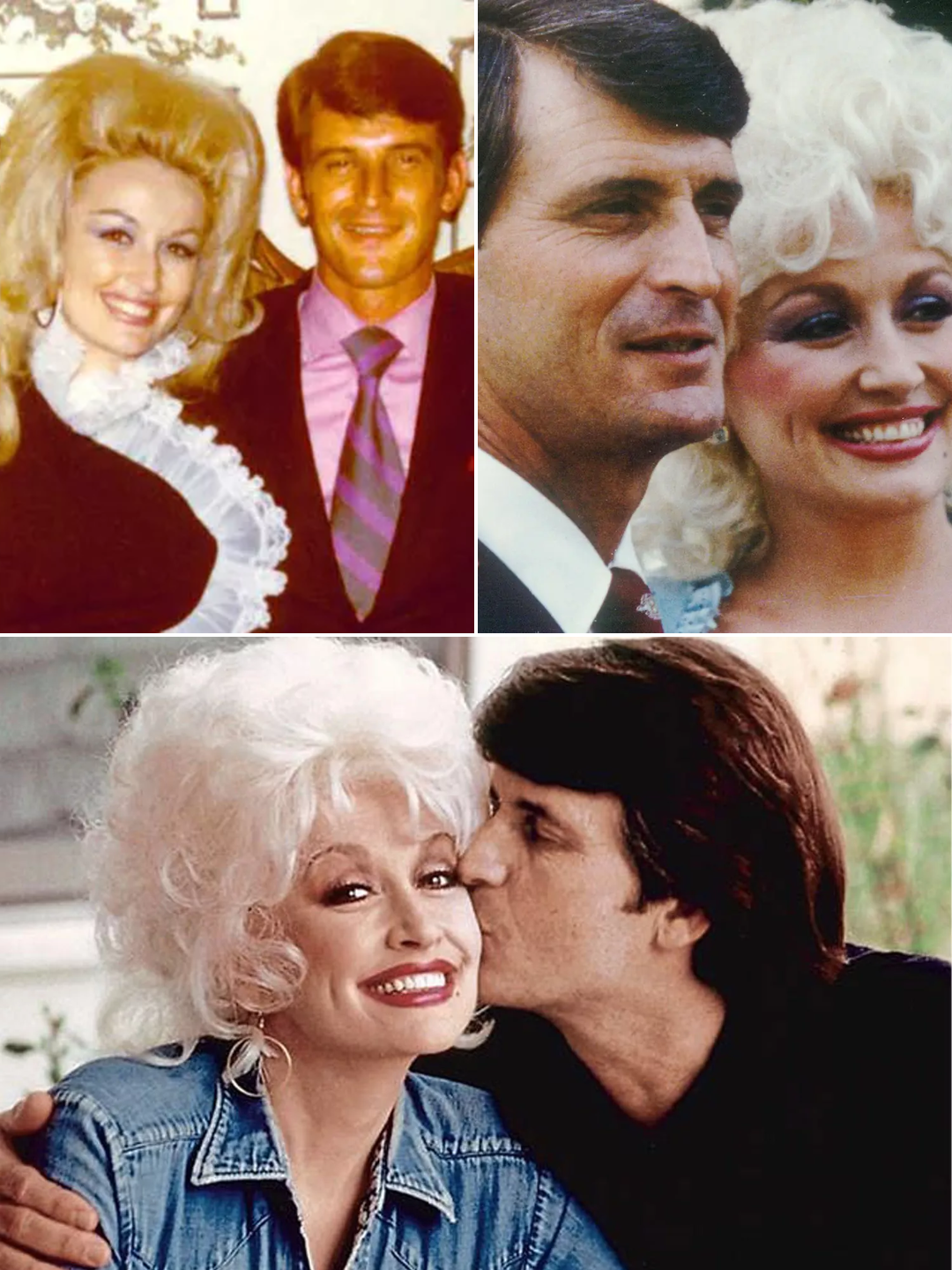
For more than half a century, “Jolene” has sounded like one of country music’s most desperate romantic confrontations: a woman pleading with a breathtaking rival not to take away the man she loves.
But Dolly Parton’s famous red-haired temptress was never one single person.
The story behind the 1973 classic was assembled from two very different real-life encounters. One involved Parton’s husband, Carl Dean, and a bank teller whose attention toward him became a running joke inside their marriage. The other involved a young fan Parton met after a performance — a little girl whose unforgettable name gave the songwriter exactly the musical spark she needed.
Together, those two women helped inspire a song that would become one of the defining recordings of Parton’s career.
The emotional seed of the song came from something far more ordinary than the drama suggested by its lyrics.
Dean, who spent decades largely avoiding his wife’s celebrity spotlight, attracted the interest of a woman who worked at a bank. Parton later recalled that the woman had a crush on him and enjoyed giving him attention whenever he came in.
Dean apparently did not mind.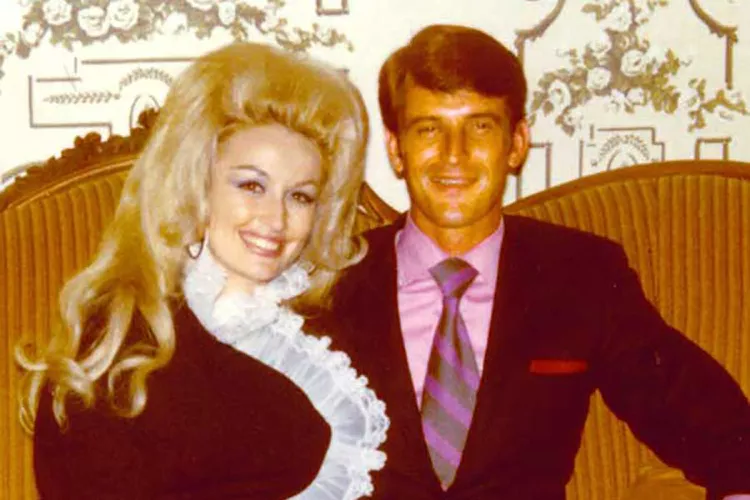
Parton noticed that her husband seemed unusually enthusiastic about making trips to the bank, and the situation became a joke between them. She teased him that he was spending an awfully long time there considering they certainly did not have enough money to require so much banking.
Yet underneath the humor was an emotion almost anyone in a relationship can recognize: jealousy.
Parton described the woman as tall and physically striking, possessing qualities the famously self-deprecating singer joked that she herself lacked. The comparison gave Parton access to the insecurity at the heart of the song — that unsettling feeling that another person might have something capable of turning your partner’s head.
Years later, Parton characterized the inspiration as being “loosely based on a little bit of truth.” The real incident was much less threatening than the song that grew from it. The bank teller did not literally attempt to steal Dean away, and Parton described the situation as essentially innocent.
That distinction matters because “Jolene” transforms a relatively harmless marital joke into something emotionally enormous.
In the song, the narrator does not attack her rival or boast that she can win a competition. Instead, she recognizes the other woman’s beauty and begs her to walk away.
That vulnerability helped turn a tiny slice of real life into a story that listeners could immediately understand. The threat does not need to be real for the fear to feel real. Anyone who has ever compared themselves to another person can understand what Parton was drawing upon.
There was still one major ingredient missing, however.
The bank teller supplied the emotional inspiration, but she did not supply the name.
That came from a child.
Parton once recalled meeting a young girl after a performance. The fan, around 8 years old, caught her attention with her red hair, green eyes and beautiful appearance while waiting for an autograph.
Parton asked the girl her name.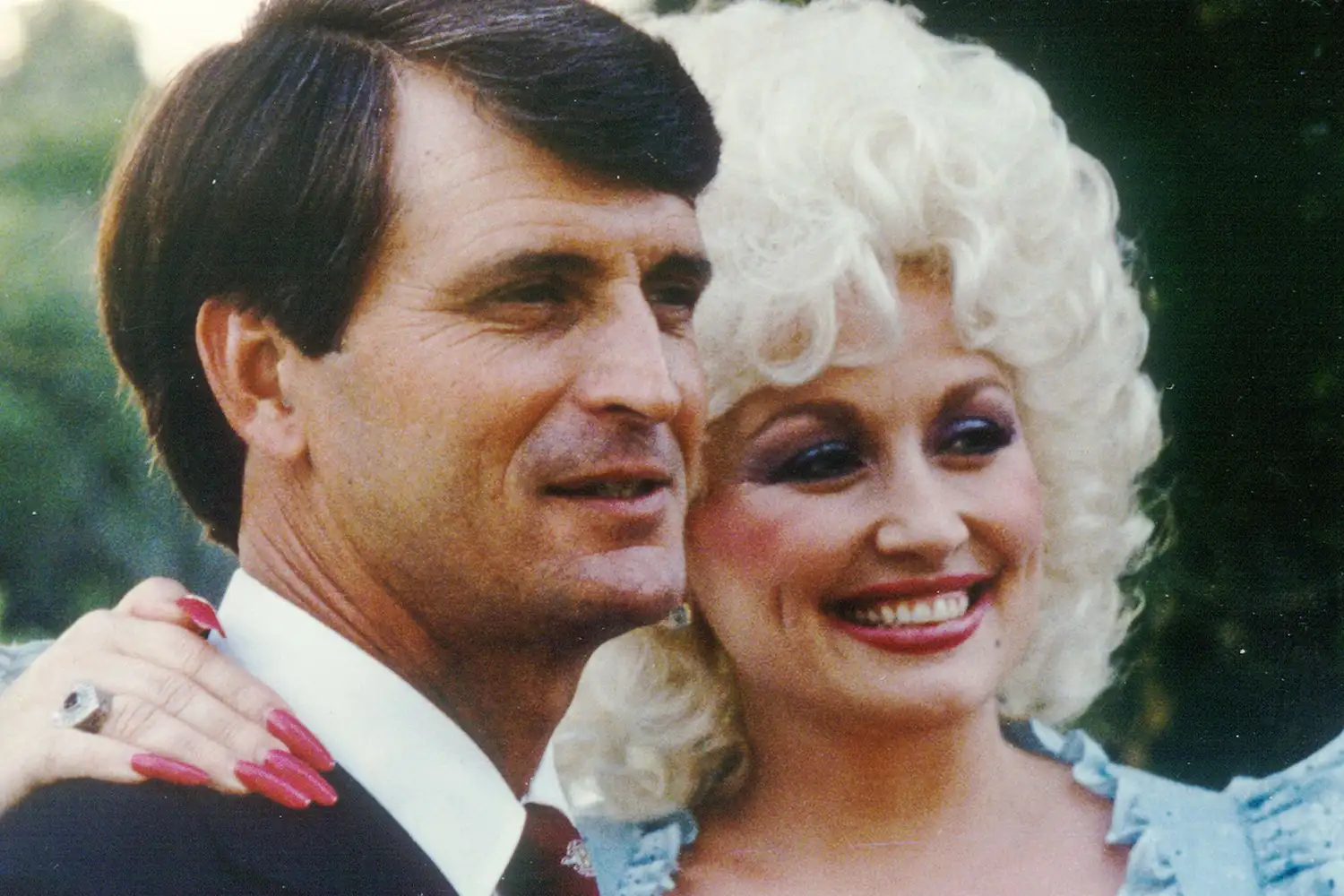
Her answer was Jolene.
The sound immediately captivated her.
Parton repeated the name several times, hearing its musical possibilities as she said it aloud. She told the child that the name sounded as though it belonged in a song and that she intended to write one around it.
That brief exchange gave Parton the final piece. The attractive bank teller became the emotional model for the woman in the song, while the young fan unknowingly donated the name that millions of listeners would eventually sing.
“Jolene” arrived in October 1973 as the first single and title track from Parton’s album of the same name.
What began with a bank teller, a teasing conversation between spouses and a chance meeting with a child quickly grew far beyond those circumstances.
The recording became one of Parton’s signature works. It was later inducted into the Grammy Hall of Fame, while Parton received Grammy nominations for Best Female Country Vocal Performance for both the original recording and a later live version.
Decades after its release, the song continued finding new audiences.
More than 30 performers have recorded versions of it in different languages and musical styles, among them Olivia Newton-John, The White Stripes, Miley Cyrus and Mindy Smith. Beyoncé revisited the song on her 2024 album Cowboy Carter, with Parton appearing in the project through an interlude called “Dolly P.”
In 2024, Rolling Stone placed “Jolene” at No. 63 on its list of the 500 Greatest Songs of All Time.
Its longevity makes the modest origin of the song even more remarkable.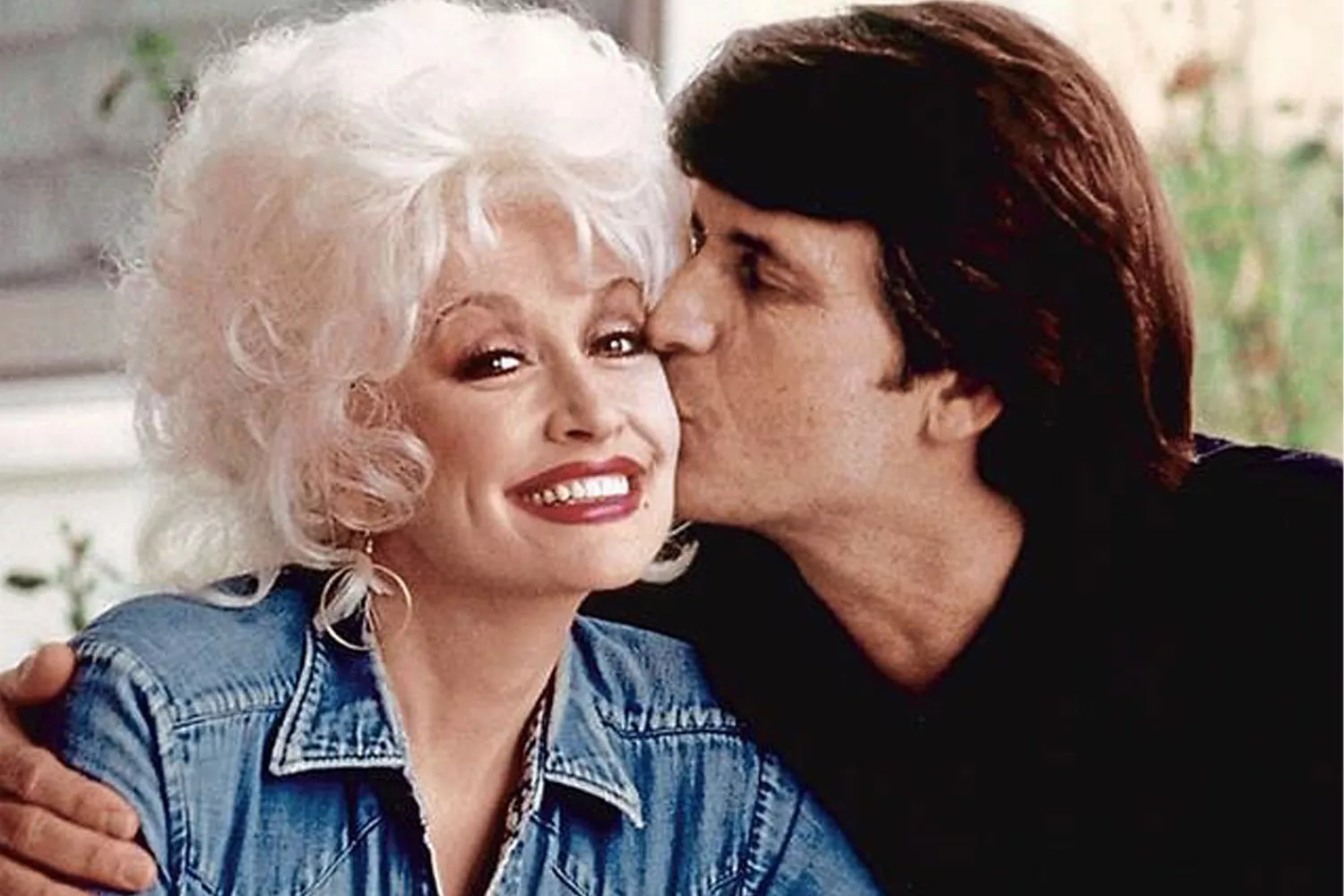
There was no epic confrontation with a mysterious woman named Jolene. There was no evidence of a marriage collapsing under the pressure of an affair. Instead, Parton took the flicker of jealousy created by one woman, attached it to the memorable name of another and turned both into a fictional emotional crisis.
And Parton ultimately seemed amused by what that bank teller had accidentally given her.
During her performance at the Glastonbury Festival in 2014, she reflected on the unlikely inspiration with humor rather than resentment. Without that woman’s interest in Dean, Parton pointed out, she might never have written the song — or enjoyed everything financially that came with its success.
In that sense, the woman who once made Parton a little uncomfortable ended up giving her something extraordinary.
Carl Dean’s trips to the bank became part of country-music history. An 8-year-old fan’s name became one of music’s most recognizable refrains. And a moment of ordinary jealousy became a song that survived generation after generation.
The real “Jolene,” it turns out, was never entirely real at all.
She was a character built from two strangers, one marriage and Dolly Parton’s ability to recognize a song hiding inside everyday life.