“DON’T WORRY ABOUT ME” — PAMELA CISNEROS’ FATHER THOUGHT HIS DAUGHTER HAD FINALLY STABILIZED
“DON’T WORRY ABOUT ME” — PAMELA CISNEROS’ FATHER THOUGHT HIS DAUGHTER HAD FINALLY STABILIZED
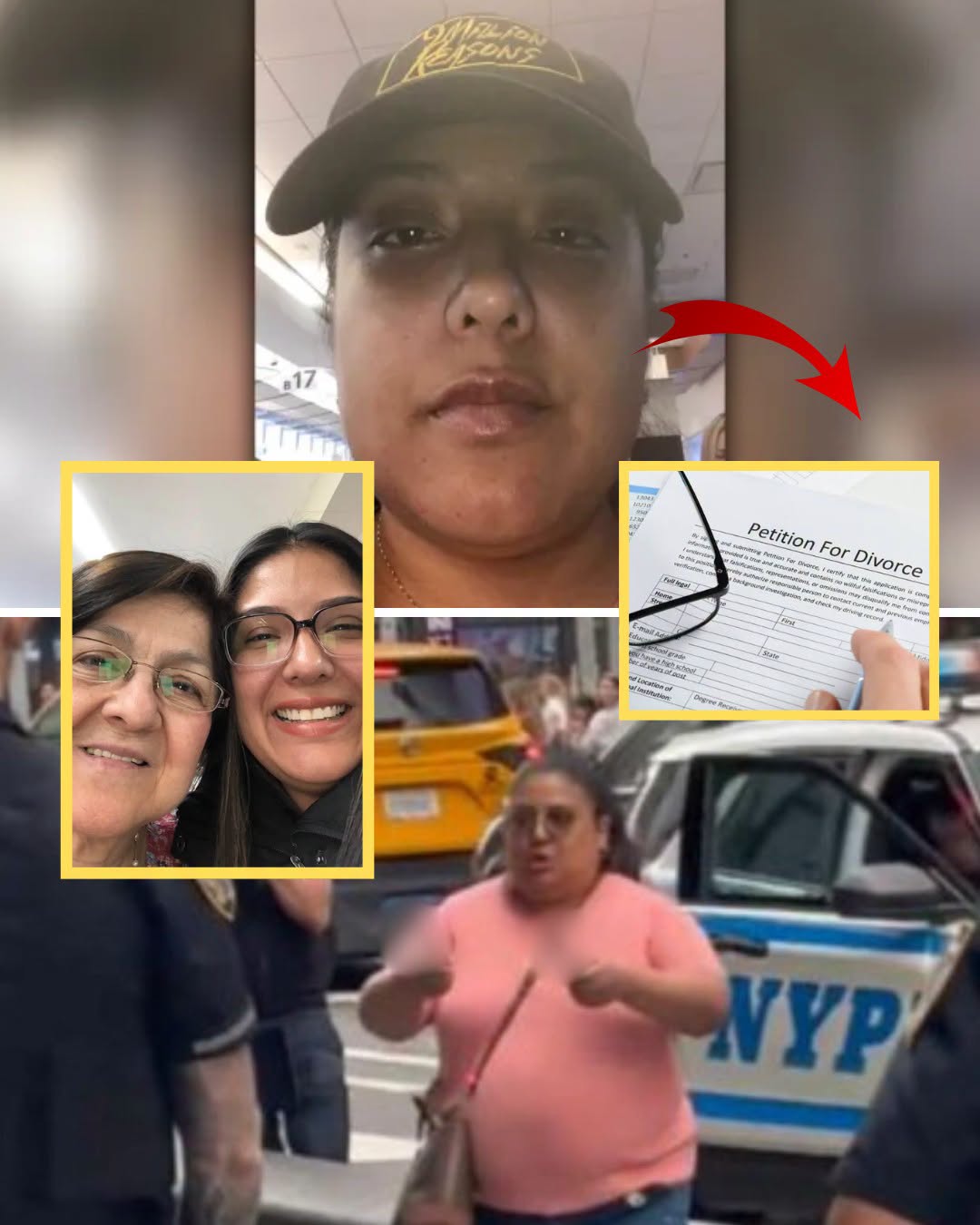
Months before Pamela Cisneros appeared in Times Square carrying two knives, her father believed she was finally doing better.
After a serious mental-health crisis in 2019, Mario Cisneros became closely involved in his daughter’s treatment.
He would take Pamela to regular appointments, where she received monthly medication injections. For years, her family believed the treatment had helped her regain stability.
Then, in April 2026, Pamela told her father she could handle her appointments herself.
She told him not to worry.
He believed her.
Months later, Pamela Cisneros was dead — and a 32-year-old new mother, Erin Piacenti, had lost her life in a random Times Square attack.
Now Pamela’s family is trying to understand what happened during those missing months.
 “DON’T WORRY ABOUT ME”
Pamela had struggled with mental-health problems for years, according to her family.
Her crisis in 2019 was particularly serious. Police sources said she attempted to jump onto the tracks of an E train in Queens. The incident led to a period of more structured treatment and greater involvement from her family.
Because Pamela had difficulty maintaining a daily medication routine, her family said she began receiving monthly injections.
Her father helped make sure she attended those appointments.
For several years, relatives believed the treatment was working.
Her brother, Patrick Peralta, said Pamela had appeared stable and had never been violent toward other people.
Then came April.
According to Mario, he offered to drive Pamela to a scheduled mental-health appointment at Jamaica Hospital Medical Center.
She declined.
She told him she could go herself.
And then she reportedly reassured him:
 “No, Dad, don’t worry about me. I’m good.”
For a father who had spent years worrying about his daughter, those words sounded like reassurance.
He accepted them.
THEN EVERYTHING CHANGED
On August 31, Pamela, 49, appeared in the middle of Times Square carrying two knives.
According to police, she first attacked a 68-year-old man near West 41st Street and Seventh Avenue.
She then moved up Seventh Avenue.
About 20 seconds later, police said, she attacked Erin Piacenti, a 32-year-old Bank of America executive.
Piacenti was taken to the hospital but died from her injuries.
The 68-year-old man survived. Police described the attack as random and unprovoked.
Pamela then encountered NYPD officers.
Police said officers repeatedly ordered her to drop the knives.
She refused.
Multiple officers deployed Tasers, but they did not stop her. When she continued advancing toward officers while holding the knives, two officers opened fire.
Pamela was taken to Bellevue Hospital, where she later died. The NYPD’s Force Investigation Division is examining the police shooting.
HER FAMILY DIDN’T SEE THIS COMING
Perhaps one of the most haunting parts of the case is how different Pamela appeared to the people closest to her.
Her father said he had seen her roughly 10 days before the attack and did not notice anything that alarmed him.
Her brother said Pamela had seemed stable for years.
She had never been known by her family to attack another person.
Then, suddenly, she was at the center of a deadly confrontation in one of the busiest places in New York City.
Her family is now left looking backward, trying to identify the warning signs they may have missed.
WHAT HAPPENED TO HER TREATMENT?
This is where the timeline becomes especially important.
Pamela had reportedly expressed a desire not to depend on medication.
Her father said she wanted to manage her treatment herself.
After she stopped allowing him to accompany her to appointments, it remains unclear exactly what happened with her medication and medical care.
Her brother has raised the possibility that she may have missed later injections, but that remains a family theory — not an established cause of the Times Square attack. No public medical records have established that stopping or changing treatment caused what happened.
And that distinction matters.
Mental illness by itself does not explain violent behavior, and most people living with mental-health conditions are not violent.
Investigators have not publicly established a definitive motive for Pamela’s actions.
TWO FAMILIES LEFT TO GRIEVE
While Pamela’s relatives are trying to understand her final months, Erin Piacenti’s family is facing an entirely different kind of loss.
Piacenti was a young professional, a wife and a mother who had recently returned to work after maternity leave.
Her death left behind her husband, Frank, and their five-month-old daughter, Madison.
For Pamela’s family, there is grief too — but also unanswered questions.
They believed she was getting better.
They believed the treatment was helping.
And when she told her father, “Don’t worry about me,” he believed her.
Now the family is left wondering what happened between that conversation in April and the afternoon in August when everything changed.
The answer may lie somewhere in the months of treatment, the changes Pamela made to her care, and the events that preceded her final appearance in Times Square.
But for now, one thing remains clear:
**Her father thought she had finally turned a corner.
He had no idea how much could change before the summer was over.**